
Inflatable vs. Hard Shell Hot Tubs: Which Is Right for Your Backyard?

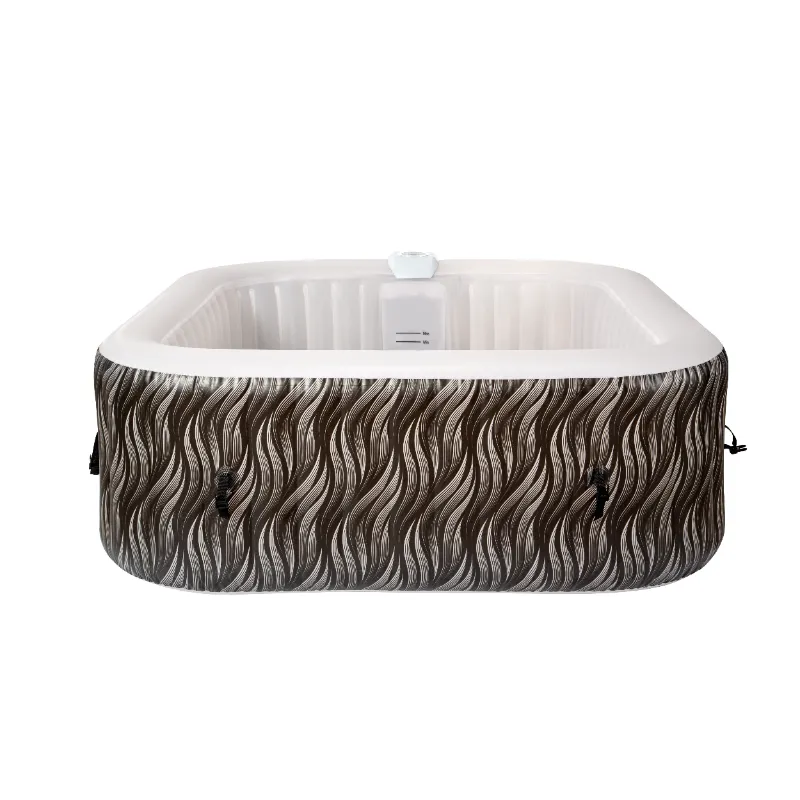
Choosing between 6 person led inflatable hot tubs and traditional hard shell models depends on your budget, installation flexibility, and how often you'll use it. Inflatable options offer portability and lower upfront costs, while hard shell tubs deliver year-round performance and more powerful jets. We've tested both types extensively, and this guide walks you through the real differences so you can pick the right fit for your backyard.
What Makes 6 Person LED Inflatable Hot Tubs Different
Inflatable hot tubs are built from multi-layer PVC or drop-stitch fabric that holds air chambers around a water basin. They plug into standard 110V outlets, inflate in under an hour, and pack down for storage or relocation. Most portable spa tub models include built-in heaters, bubble jets, and LED lighting systems that cycle through colors for ambiance.
Hard shell hot tubs use acrylic shells reinforced with fiberglass, mounted on insulated cabinets with dedicated pumps and plumbing. They require 220V electrical hookups, professional installation, and a reinforced pad or deck. Jets are powered by circulation pumps rather than air blowers, delivering deeper hydrotherapy massage.
The key trade-off: inflatables prioritize convenience and cost, while hard shells focus on durability and performance.
Cost and Installation Comparison
| Feature | Inflatable Hot Tubs | Hard Shell Hot Tubs |
|---|---|---|
| Upfront cost | $300–$800 | $3,000–$12,000+ |
| Installation | DIY, 1 hour setup | Professional, 1–3 days |
| Electrical | Standard 110V outlet | Dedicated 220V circuit |
| Lifespan | 3–5 years typical | 15–20+ years |
Inflatable models like the 4 6 person led inflatable hot tub ship to your door and set up on any level surface with a garden hose and power cord. Hard shell tubs need crane delivery, electrician permits, and concrete pads that often add $1,500 to $3,000 to the total project cost.
For current pricing on portable options, check the latest deals and our exclusive code that saves $30 on all orders.
Performance: Jets, Heat Retention, and Massage Quality
Hard shell hot tubs circulate water through adjustable hydro-jets at specific pressure points—neck, lower back, calves—making them ideal for therapeutic use or muscle recovery. Pumps move 200+ gallons per minute, and insulated cabinets hold heat efficiently even in freezing weather.
Inflatable spas use air blowers to create bubble jets across the floor. The sensation is gentler—relaxing rather than deep tissue—and the thin walls lose heat faster in cold climates. Expect 1–2°F drops per hour below 50°F outdoors, compared to hard shells that maintain temperature within 0.5°F.
However, portable outdoor hot tub models with LED systems add visual appeal that many hard shells lack without custom upgrades. If ambiance and occasional soak sessions matter more than year-round hydrotherapy, inflatables deliver excellent value.
Portability and Storage Flexibility
Inflatable hot tubs drain, deflate, and fold into a duffel-sized bag in about two hours. This makes them perfect for renters, seasonal users, or anyone who might move within a few years. You can also relocate them around your yard for sun, shade, or privacy without professional help.
Hard shell tubs are permanent fixtures. Removing one requires cutting plumbing, dismantling cabinetry, and often repairing the deck or patio underneath. If you're committed to a single location for a decade or more, that permanence is fine. If your living situation might change, a relax time hot tub in inflatable form offers freedom hard shells can't match.
Winter storage is another factor: inflatables pack away to avoid freeze damage, while hard shells must either run continuously with heaters or be professionally winterized with antifreeze and pump draining.
Maintenance and Running Costs
Both types need regular water testing, sanitizer, and filter cleaning. Inflatable filters are smaller and need replacement every 2–4 weeks during heavy use, typically $10–$15 per set. Hard shell cartridges last 3–6 months and cost $40–$80.
Energy costs differ significantly. Inflatable models draw 1,200–1,500 watts to heat and maintain temperature, adding roughly $20–$40 per month to your electric bill with moderate use. Hard shell tubs with better insulation and more efficient pumps average $30–$60 monthly, but the gap narrows in warm climates where heat loss is minimal for both.
Chemical costs are similar per gallon of water, so capacity matters more than tub type. A small hot tubs model holding 200 gallons uses less chlorine or bromine than a 400-gallon hard shell, regardless of construction.
Who Should Choose Inflatable vs. Hard Shell
Choose an inflatable hot tub if you:
- Rent your home or plan to move within five years
- Want a hot tub for under $1,000 including setup
- Use it seasonally or occasionally rather than daily
- Have limited outdoor space or no deck infrastructure
- Prefer DIY setup without permits or contractors
Choose a hard shell hot tub if you:
- Own your home and plan to stay long-term
- Need therapeutic hydro-jets for chronic pain or recovery
- Live in a cold climate and want year-round use
- Value durability and low long-term maintenance
- Have $5,000+ budget including installation
For most casual users exploring hydrotherapy for the first time, 6 person led inflatable hot tubs offer an affordable entry point. You can always upgrade to a hard shell later if you discover you love soaking nightly. Starting with a permanent $8,000 installation only makes sense if you're certain about placement, usage frequency, and staying put.
Making Your Decision
The right hot tub aligns with your lifestyle, not just your backyard. Inflatable models give you flexibility, lower financial commitment, and surprisingly good performance for relaxation and socializing. Hard shells deliver superior jets, insulation, and longevity if you're ready to invest in a decade-plus wellness fixture.
We recommend trying an inflatable first unless you have specific therapeutic needs or extreme weather conditions that demand heavy insulation. Many buyers who start with a portable spa tub enjoy it for years without feeling the need to upgrade. Grab the discount code to save on your first setup, and test the waters before committing to a permanent installation.
Both paths lead to backyard relaxation—the question is whether you want a movable oasis or a built-in retreat.
Frequently asked questions
How long do 6 person led inflatable hot tubs last compared to hard shell models?
Inflatable hot tubs typically last 3 to 5 years with regular care, while hard shell models can last 15 to 20 years or more. The lifespan depends on usage frequency, weather exposure, and maintenance quality.
Can inflatable hot tubs be used in winter?
Yes, but they lose heat faster than insulated hard shell tubs in freezing temperatures. You'll see higher energy bills and slower heating times below 40°F. Many owners drain and store inflatables during winter in cold climates.
Do I need a concrete pad for a portable hot tub?
Inflatable hot tubs don't require concrete—any flat, level surface like grass, decking, or pavers works fine. Hard shell models need reinforced concrete or structural decking to support 3,000 to 4,000 pounds when filled.
Are the jets in inflatable spas strong enough for muscle therapy?
Inflatable bubble jets provide gentle relaxation rather than targeted hydrotherapy. If you need deep tissue massage for chronic pain or sports recovery, a hard shell hot tub with adjustable hydro-jets is a better choice.
Can I move an inflatable hot tub once it's set up?
Yes, you can drain, deflate, and relocate an inflatable hot tub in a few hours. This makes them ideal for renters or anyone who wants seasonal placement flexibility around their yard.
What's the real monthly cost to run a portable spa?
Expect $20 to $40 per month in electricity for an inflatable hot tub with moderate use, plus $10 to $20 for filters and chemicals. Hard shell models cost $30 to $60 monthly due to better insulation but higher pump wattage.