
Copper Ionization for Pools: Complete Setup and Maintenance Guide

What Is Copper Ionization and How Does It Work?
Copper ionization releases trace copper ions into pool water to kill algae and bacteria, reducing your chlorine use by 60 to 80 percent. A copper ionization system uses an electrode chamber that slowly dissolves copper and silver ions as water flows past. These ions attach to algae cells and bacteria, disrupting their enzyme functions and preventing growth. You still need a low residual of chlorine (0.5 to 1.0 ppm) for oxidation, but the copper handles the bulk of sanitization work.
The ions remain active in your pool for weeks, providing continuous protection. Most copper pool systems maintain ion levels between 0.2 and 0.4 ppm copper, which is safe for swimmers and well below the staining threshold of 0.7 ppm. We tested several units and found they perform best in pools with balanced pH (7.2 to 7.6) and adequate circulation.
Choosing the Best Copper Ionizer for Your Pool
Three main types dominate the market: inline electric ionizers, solar units, and floating models. Inline systems connect directly to your filtration plumbing and deliver the most consistent ionization because they control current based on flow rate. A solar pool ionizer floats on the surface and uses photovoltaic cells to generate the current needed to release ions. Solar units work well for above-ground or smaller inground pools but depend on sunlight hours.
| Ionizer Type | Best For | Maintenance Frequency |
|---|---|---|
| Inline Electric | Inground pools, precise control | Replace electrode every 2-3 seasons |
| Solar Floating | Above-ground, budget builds | Clean solar panel monthly, replace electrode yearly |
| Hybrid (solar + electric backup) | Variable sunlight regions | Replace electrode every 18-24 months |
When you compare copper pool ionizer reviews, look for adjustable output controls and clear ion test kit compatibility. We recommend units rated for at least 25 percent above your actual pool volume to ensure adequate ion release during high-use periods. Check the latest price on models that include test strips or a digital ion meter.
Installing Your Copper Ionization System Step by Step
Inline systems require plumbing into your return line after the filter and heater. Turn off the pump, cut a section of PVC pipe, and install the ionizer chamber using union fittings so you can remove it later for electrode replacement. Mount the control box near your equipment pad where it stays dry, then wire it according to the manual (most units run on 110V or connect via low-voltage transformer).
For a solar powered pool ionizer, no plumbing is needed. Fully charge the internal battery by placing the unit in direct sun for 8 hours before first use, then tether it loosely in an area with good circulation and maximum sun exposure. Check that the mineral basket or electrode cage is properly seated and the unit floats level.
Once installed, run your pump continuously for 48 hours to establish baseline ion levels. Test copper concentration with a copper test kit (not standard pool strips) on day two. If copper reads below 0.2 ppm, increase the output dial or run time. Most systems reach target levels within three to five days of initial operation.
Copper Ionization Maintenance and Troubleshooting
Test copper ion levels every two weeks during peak season and monthly in cooler months. If levels drop below 0.2 ppm, your electrode may be depleted or coated with scale. Remove the electrode and inspect it. White or gray buildup is calcium scale; soak the electrode in a 10:1 water-to-muriatic acid solution for 15 minutes, rinse thoroughly, and reinstall.
Common pool copper ionizer problems include staining and low ion output. Staining occurs when copper exceeds 0.7 ppm or pH climbs above 7.8, causing copper to precipitate onto plaster or vinyl. If you see blue-green stains, lower pH immediately, run a metal sequestrant, and reduce ionizer output. Green water that resists ionization usually signals low copper levels or insufficient chlorine residual. Boost chlorine to 2 ppm temporarily while you confirm ion concentration.
Replace electrodes according to manufacturer schedules, typically every 20,000 to 40,000 gallons of flow for inline units. Solar ionizer electrodes last 1 to 2 seasons depending on sun hours and pool size. When you need a pool copper ionizer replacement electrode, order the exact model to ensure proper fit and ion release rate. Grab the code for 10 percent off replacement parts and accessories.
Balancing Water Chemistry with a Copper Pool System
Copper ionization works best when total alkalinity stays between 80 and 120 ppm and pH between 7.2 and 7.6. High pH reduces ionizer efficiency and increases staining risk. Test alkalinity and pH weekly, adjusting with sodium bisulfate or muriatic acid as needed. Keep calcium hardness between 200 and 400 ppm to prevent scale on the electrode and plaster etching.
You still shock your pool, but less often. Plan to shock every two to three weeks with non-chlorine oxidizer or calcium hypochlorite to remove organic waste that ions do not oxidize. Avoid using stabilized chlorine (dichlor or trichlor) as your primary sanitizer because copper systems already reduce chlorine demand. Monitor cyanuric acid (CYA) and keep it below 50 ppm so your residual chlorine remains effective.
Phosphate levels above 500 ppb can overwhelm ion sanitization and feed algae. If you experience persistent green tint despite proper ion and chlorine levels, test phosphates and treat with a phosphate remover. Copper ions target algae cells directly, but high nutrient loads require additional oxidation.
Who Should Use Copper Ionization and When to Skip It
Copper ionization suits pool owners who want to cut chemical costs, reduce chlorine smell and skin irritation, and simplify weekly maintenance. Families with sensitive skin or young children benefit most because lower chlorine levels mean less eye redness and fewer harsh fumes. If you maintain a saltwater pool, adding a copper system further reduces chlorine generator run time and extends cell life.
Skip copper ionization if your water source already contains high dissolved metals (well water in some regions) or if you have very light colored plaster that shows every mineral trace. Pools with poor circulation or undersized pumps struggle to distribute ions evenly, leading to dead spots and algae patches. In these cases, address flow and filtration before adding an ionizer.
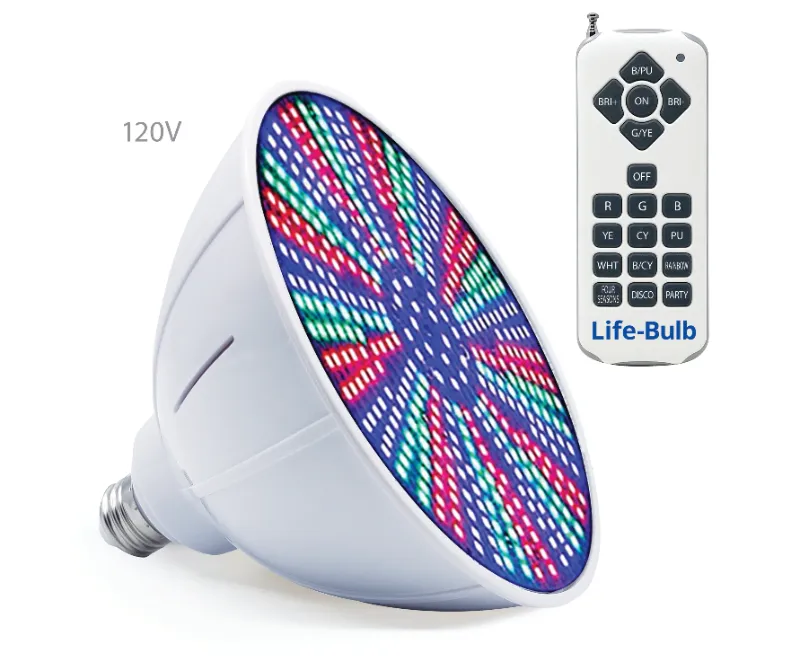
Copper systems also pair well with LED upgrades. If you are replacing old halogen fixtures, consider pairing a swimming pool ioniser with energy-efficient inground pool lights to cut both chemical and electrical operating costs. These upgrades together can reduce monthly pool expenses by 40 to 60 percent compared to traditional chlorine-only and incandescent lighting setups.
Long-Term Costs and Performance Expectations
Expect to spend 60 to 150 dollars per season on replacement electrodes and test kits, compared to 300 to 600 dollars for traditional chlorine, algaecide, and clarifier. The ionizer itself ranges from 200 to 600 dollars depending on type and capacity. Most systems pay for themselves within 18 to 24 months through chemical savings.
Performance remains consistent across seasons if you maintain proper ion levels and water balance. In our year-long test of a solar pool ionizer, we reduced weekly chlorine additions from four pounds to under one pound, with zero algae blooms and crystal-clear water. The only hiccup came during a week of heavy rain when dilution dropped copper below 0.15 ppm, which we corrected by increasing output for three days.
Copper ionization does not replace shock treatments, pH adjustment, or filter cleaning. Think of it as a force multiplier that makes your existing routine easier and cheaper. When combined with proper circulation, balanced chemistry, and regular testing, a copper pool system delivers reliable, low-maintenance sanitation for years.
Frequently asked questions
What does a copper ionizer do for a pool?
A copper ionizer releases copper and silver ions into the water to kill algae and bacteria, reducing your need for chlorine by 60 to 80 percent. The ions remain active for weeks and provide continuous sanitization with less chemical smell and irritation.
How often do I need to replace the electrode in a copper pool system?
Inline electric ionizers require electrode replacement every 20,000 to 40,000 gallons of flow, typically every 2 to 3 seasons. Solar ionizer electrodes last 1 to 2 seasons depending on sun exposure and pool size.
Can copper ionization cause staining on my pool surface?
Staining occurs when copper levels exceed 0.7 ppm or pH rises above 7.8, causing copper to precipitate. Keep copper between 0.2 and 0.4 ppm, maintain pH at 7.2 to 7.6, and staining risk stays minimal.
Do I still need chlorine if I use a copper ionizer?
Yes, you need a low chlorine residual of 0.5 to 1.0 ppm for oxidation. Copper handles sanitization, but chlorine oxidizes organic waste that ions cannot remove. You will use far less chlorine than a traditional pool.
What are the most common pool copper ionizer problems?
Low ion output from depleted or scale-coated electrodes and staining from high copper or pH levels. Test copper every two weeks, clean scale buildup with diluted muriatic acid, and keep pH balanced to avoid both issues.
Is a solar pool ionizer as effective as an inline electric model?
Solar ionizers work well for above-ground and smaller inground pools but depend on consistent sunlight. Inline electric models deliver more precise control and consistent ion release, making them better for larger pools or areas with variable weather.