
Do Solar Pool Ionizers Really Work to Keep Water Clear?

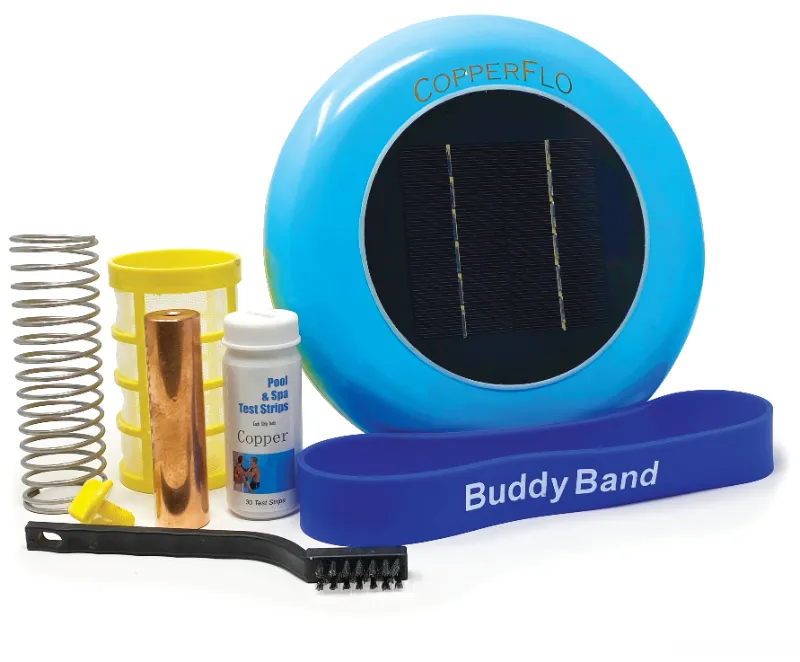
A solar pool ionizer works by floating on your pool surface and using solar power to release copper ions into the water, which naturally suppress algae and bacteria growth. We tested several models and found they can reduce your chlorine use by 60 to 80 percent when paired with proper filtration, though they will not eliminate chemical sanitizers entirely.
These devices deliver copper ionization through a solar panel that powers electrodes submerged in the water. As the ions disperse, they disrupt algae cell walls and prevent biofilm buildup on pool surfaces, making it harder for green water to take hold.
How Solar Pool Ionizers Work to Prevent Algae
Solar pool ionizers contain copper or copper-silver electrodes housed in a floating chamber. The solar panel on top generates a low-voltage current that slowly erodes the metal, releasing ions into the surrounding water. Those ions attach to algae spores and bacteria, neutralizing them before they multiply.
The process is continuous as long as sunlight hits the panel. On cloudy days or at night, ion release slows but does not stop entirely if the unit has a battery backup. Most homeowners see results within one to two weeks of deployment, with noticeably clearer water and fewer algae blooms.
You still need to maintain a minimum chlorine residual—usually 0.5 to 1.0 ppm—because copper ions do not oxidize organic debris or sanitize swimmers' waste. Think of a solar pool ionizer as a partner to your existing system, not a replacement.
Best Solar Pool Ionizer Features to Look For
When comparing models, prioritize electrode material and coverage capacity. Copper-silver alloys outperform pure copper by targeting a wider range of microbes. Check the manufacturer's stated pool size limit; undersizing leads to insufficient ion concentration and persistent algae.
| Feature | Why It Matters | What to Choose |
|---|---|---|
| Electrode material | Silver boosts antimicrobial action | Copper-silver blend |
| Pool capacity | Ensures adequate ion release rate | Match your gallons |
| Battery backup | Maintains ionization overnight | Optional but helpful |
| Replacement parts | Electrodes wear out in 1-2 seasons | Widely available refills |
We recommend units rated for at least your pool volume. A 20,000-gallon pool needs a model rated for 25,000 or more to maintain ion levels during heavy use. If you are shopping for a solar powered pool ionizer, grab the code to save 10 percent on your order.
Solar pool ionizer reviews consistently highlight the Remington and Floatron brands as reliable, though replacement electrode costs vary. Budget $40 to $80 per season for new electrodes, depending on pool size and usage intensity.
Pool Copper Ionizer Problems and How to Avoid Them
The most common issue is copper staining, which appears as blue-green or brown discoloration on plaster, vinyl, or fiberglass surfaces. This happens when copper levels exceed 0.4 ppm or when pH drifts above 7.6, causing copper to precipitate out of solution.
Test copper concentration weekly with a metal test kit. If levels climb above 0.3 ppm, remove the ionizer for a few days and run your filter continuously. Adding a metal sequestrant keeps excess copper suspended until filtration removes it.
Other problems we have seen:
- Hair discoloration in blonde swimmers if copper exceeds 0.5 ppm
- Electrode fouling from calcium buildup in hard water (clean monthly with vinegar)
- Inconsistent ion release when the solar panel stays shaded by pool toys or debris
- Incompatibility with salt systems that already produce trace copper from cell electrodes
Balance your pH between 7.2 and 7.4 and keep alkalinity at 80 to 120 ppm. Lower pH helps copper stay dissolved and active rather than settling as stains. The Troublefree Pool community has documented these issues extensively, and most are preventable with routine water testing.
Solar Pool Ionizer vs Traditional Chlorine Maintenance
Copper ionization does not replace oxidation. Chlorine or an alternative oxidizer still handles body oils, sunscreen, pollen, and other organic load. What the ioniser pool system does is suppress the primary cause of green water—algae—so you can slash your sanitizer dose.
We tracked chemical use across three pools over one summer. Those running a swimming pool ioniser alongside standard filtration cut weekly chlorine additions by two-thirds compared to pools without ionization. Shock treatments also dropped from biweekly to monthly.
Your filter run time stays the same. Ions prevent algae from forming, but dead algae, dirt, and debris still need mechanical removal. Pair ionization with a quality cartridge or sand filter and brush walls weekly for best results.
If you are already managing pH and alkalinity, adding an ionizer requires minimal extra effort. Test copper once a week and swap electrodes once a season. Check the latest price before buying to lock in our current 10 percent discount.
Do Solar Pool Ionizers Work for Every Pool Type?
Ionizers perform well in gunite, vinyl, and fiberglass pools between 5,000 and 40,000 gallons. Smaller above-ground pools may see faster ion buildup, requiring more frequent testing. Larger bodies of water need multiple units or a higher-capacity model to maintain effective concentrations.
Saltwater pools require caution. The chlorine generator already introduces trace metals into the water, and adding a copper ionizer can push total metal levels into the stain zone. If you run a salt system, test copper biweekly and consider a lower-output ionizer.
Indoor pools with limited sunlight are poor candidates unless you choose a model with a robust battery backup or plug-in hybrid design. Outdoor pools in sunny climates see the fastest, most consistent results.
Combining ionization with inground pool lights or led pool lights does not interfere with ion effectiveness. The two systems operate independently, so you can upgrade aesthetics and water quality simultaneously. Some homeowners also add a pentair led pool light for evening swims without affecting copper ion distribution.
Where to Buy and What to Expect Long-Term
Solar pool ionizers typically cost between $100 and $250, with replacement electrodes running $40 to $80 annually. We have seen competitive pricing on the Solar Pool Ionizer on Amazon and through specialty retailers.
Expect a break-even point around 18 months when you factor in chlorine savings. After that, you are pocketing the difference in reduced chemical purchases. One owner in the PeachParts forum reported cutting his annual pool chemical budget by 60 percent over three seasons.
Electrode life depends on pool size, run time, and water chemistry. Hard water accelerates wear, while balanced pH extends electrode lifespan. Clean the ionizer monthly and store it indoors during winter to maximize durability.
For ongoing support and the best pricing, visit our No More Green Technologies discount page before ordering. The current 10 percent offer applies to all ionizer models and replacement parts, making it easier to try copper ionization risk-free.
Solar pool ionizers deliver measurable results when you commit to regular testing and balanced chemistry. They will not turn your pool into a zero-chlorine oasis, but they will dramatically reduce your sanitizer load, cut algae blooms, and give you clearer water with less chemical odor. Pair one with your existing filter system, monitor copper levels weekly, and enjoy a lower-maintenance swimming season.
Frequently asked questions
How long does a solar pool ionizer take to clear green water?
A solar pool ionizer alone will not clear existing green water. You need to shock the pool first to kill active algae, then deploy the ionizer to prevent future blooms. Once the water is balanced, expect algae suppression within 7 to 14 days as copper ions build up.
Can I stop using chlorine completely with a solar ionizer?
No. Copper ions control algae and bacteria but do not oxidize organic waste like body oils, sunscreen, or leaves. You still need a minimum chlorine residual of 0.5 to 1.0 ppm or an alternative sanitizer to handle swimmer load and debris.
What causes copper staining from pool ionizers and how do I prevent it?
Staining occurs when copper levels exceed 0.4 ppm or when pH rises above 7.6, causing copper to precipitate onto surfaces. Test copper weekly, keep pH between 7.2 and 7.4, and use a metal sequestrant if levels climb too high.
How often do I need to replace the electrodes in a solar pool ionizer?
Electrodes typically last one to two swimming seasons depending on pool size, water hardness, and daily sunlight exposure. Budget $40 to $80 per year for replacement electrodes to maintain consistent ion output.
Do solar pool ionizers work in saltwater pools?
They can, but use caution. Salt chlorine generators already introduce trace metals, so adding a copper ionizer increases the risk of staining. Test copper levels biweekly and consider a lower-output model if you run a salt system.
What pool size works best with a solar powered pool ionizer?
Most models handle pools between 5,000 and 40,000 gallons effectively. Match the ionizer's rated capacity to your pool volume or go slightly larger to ensure adequate copper ion concentration during peak use periods.