

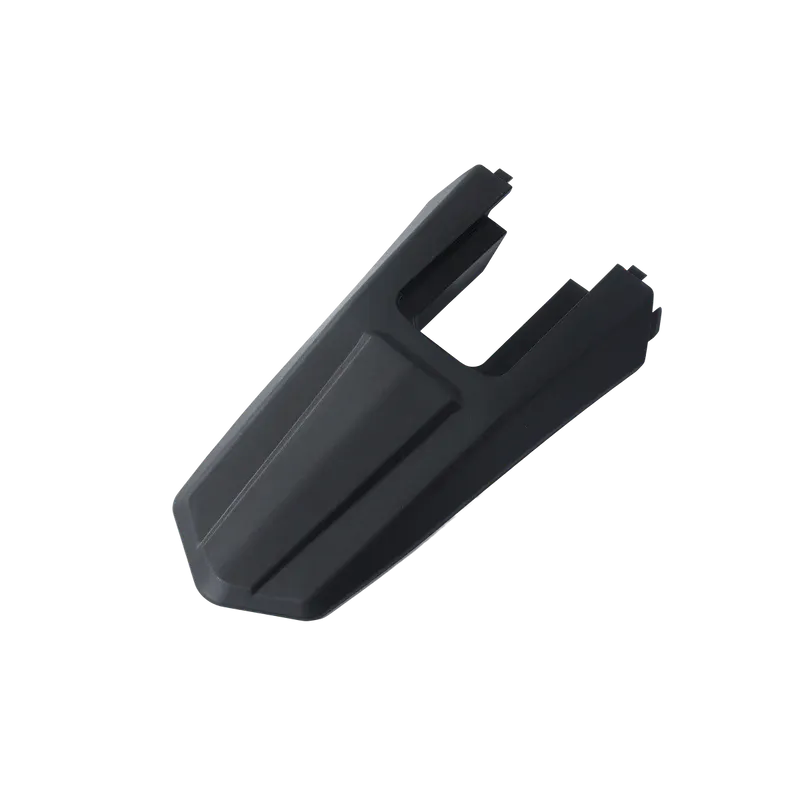
Ebike fenders keep mud, water, and debris off you and your bike during wet commutes. Whether you ride an e-bike dirt, cemoto d02, or any electric bike, the right fenders make a real difference in comfort and bike maintenance. We'll walk you through choosing the right pair, installing them correctly, and keeping them in shape.
Why Ebike Fenders Matter for Your Commute
Wet weather and unpaved trails throw up spray and mud that damages drivetrain components and soaks your clothes. Ebike fenders are the simplest defense. They're especially important if you commute daily on an mt electric bike or electric bike dirt model that tackles mixed terrain. A good fender system:
- Blocks spray from tires before it reaches your chain and gears
- Keeps your legs, feet, and backpack dry
- Reduces cleaning time after each ride
- Extends the life of drivetrain components by keeping them cleaner
Full-coverage fenders work best on commuter e-bikes. If you're riding a pit bike electric or lightweight model, even partial mudguards help.
Matching Ebike Fenders to Your Bike Type
Not all ebike fenders fit the same way. Your bike's frame geometry, tire width, and suspension affect which fender works best.
| Bike Type | Fender Style | Best For |
|---|---|---|
| Commuter e-bike (road or hybrid) | Full-length rigid fenders | Daily wet-weather commutes |
| Mountain or dirt e-bike | Short mudguards or no fenders | Rough terrain, air-gap clearance |
| Hybrid or gravel electric bike | Clip-on or adjustable fenders | Variable terrain, easier removal |
| Heavy-duty models like cemoto d03 | Heavy-duty full fenders | Rough commutes, mud, water crossings |
Measure your tire width and frame clearance before buying. Ebike fenders need at least a half-inch of space between the tire and fender to prevent rubbing. If your bike came with mounting points (usually small holes or bosses on the frame and fork), use them—they're designed for that load.
Installation Steps for Ebike Fenders
Most ebike fenders mount using simple hardware. Here's the process:
- Check your space: Spin the wheel by hand and look for rub points. Mark any high spots on the frame or fork.
- Align the fender: Position the fender so it sits 0.5 inches from the tire all the way around. It should be centered over the tire.
- Mark mounting holes: Use the fender as a template. Mark holes on the frame or fork with a marker.
- Drill if needed: If your bike has no mounting points, carefully drill small holes (usually 4–5 mm). Use a template to keep spacing consistent.
- Attach the fender: Use the supplied bolts, washers, and rubber isolators. Tighten snugly but not hard—you risk stripping threads.
- Secure the stays: If your fender has support strays, attach them to the frame or seat tube to keep the fender rigid during rough rides.
- Test clearance: Spin the wheel and bounce the bike. The fender should not touch the tire under any load.
For cmoto ebike and other full-suspension e-bikes, account for wheel travel—the tire moves up into the fender during compression. Leave extra clearance.
Materials and Durability
Ebike fenders come in three main materials, each with tradeoffs.
Plastic (polycarbonate or polymer): Lightweight, affordable, and don't rust. They crack under sharp impact or in cold weather. Best for light commutes and paved trails.
Aluminum: Durable and lightweight. They dent easily and can corrode if not anodized. Good for mixed terrain and bike packing.
Steel: Heavy but absorb impact well. They rust without maintenance and add weight to your bike. Avoid on dirt bikes or rough commutes unless galvanized.
Most modern ebike fenders are plastic for weight savings on electric bikes. On an e-bike dirt or electric bike dirt, plastic fenders handle trail spray better than metal alternatives because they don't corrode and absorb vibration.
Cleaning and Maintaining Your Ebike Fenders
Ebike fenders clog with mud and debris. Clean them weekly if you ride in wet conditions.
- Rinse after every wet ride: Use a hose to flush out packed mud from the inside.
- Check bolt tightness monthly: Vibration loosens hardware over time, especially on rough terrain.
- Replace isolators if damaged: Rubber isolators absorb road buzz. Cracked or missing ones let metal clang and allow movement.
- Inspect for cracks: Small cracks spread when the fender flexes. Seal them with epoxy or replace the fender if cracks are long.
- Reposition if rubbing starts: Tire wear changes clearance. Readjust annually.
On heavy-use bikes like the cemotoride d02 3, plan to replace fenders every 2–3 years.
Who Should Use Full Ebike Fenders
Full ebike fenders are worth installing if you:
- Commute daily, rain or shine
- Ride on unpaved or muddy trails
- Store your bike indoors (fenders keep your home cleaner)
- Care about drivetrain longevity
- Don't mind a small weight penalty
Short mudguards or clip-on fenders suit riders who want optional protection or those riding tight-clearance bikes. Check out ebike fenders at Cemotoride, or grab the code for 6% off all orders to save on a full setup.
If you're upgrading your whole e-bike or pairing fenders with new tires like dirt bike street tires, check the latest price on the Cemotoride store to see what bundles or codes apply.
Installation Mistakes to Avoid
- Mounting too close to the tire: This causes rubbing on bumps or under load. Leave a clear gap.
- Over-tightening bolts: You'll crack plastic fenders or strip threads. Hand-tight plus a quarter turn is usually enough.
- Ignoring suspension travel: On full-suspension e-bikes, the tire moves toward the fender as you compress the shock. Account for this clearance.
- Skipping the rubber isolators: Metal-to-metal contact lets vibration rattle bolts loose and create noise.
- Mounting the fender crooked: A twisted fender catches debris and looks sloppy. Use a level or straight edge during install.
Ebike fenders are a small investment that pay off in cleaner rides, longer drivetrain life, and less cleanup at home. Whether you're outfitting a new mt electric bike or upgrading an existing commuter, take the time to install them right.
 Shopping at Cemotoride? See today's verified Cemotoride discount code
Frequently asked questions
Can I use ebike fenders on any electric bike?
Most e-bikes can fit fenders if they have frame or fork mounting points. Check your tire width and frame clearance first—fenders need at least 0.5 inches of space to avoid rubbing. Bikes with tight clearances or full suspension need special care.
What size ebike fenders do I need?
Fender size matches your tire width. Measure your tire (usually printed on the sidewall, like 27.5 x 2.1) and buy fenders rated for that range. A 2-inch tire needs different fenders than a 3-inch tire.
How do I stop my ebike fenders from rubbing?
Ensure 0.5 inches of clearance between the tire and fender all the way around. Reposition the fender or trim it slightly if rubbing persists. On full-suspension bikes, account for tire travel toward the fender during compression.
Do ebike fenders add a lot of weight?
Modern plastic fenders weigh 300–500 grams total. It's a small penalty for daily commuting comfort. Aluminum fenders are lighter but more expensive.
What's the best way to clean mud from ebike fenders?
Rinse with a hose after wet rides to flush packed mud from inside the fender. Use a soft brush to loosen stubborn debris. Avoid high-pressure washers, which can damage seals.
Can I install ebike fenders myself or do I need a bike shop?
Most riders can install fenders with basic tools if their bike has mounting points. If you need to drill holes or have suspension concerns, a bike shop is worth the small service fee.