
Japanese Kimono Care Guide: Washing and Storing Your Kimono Properly

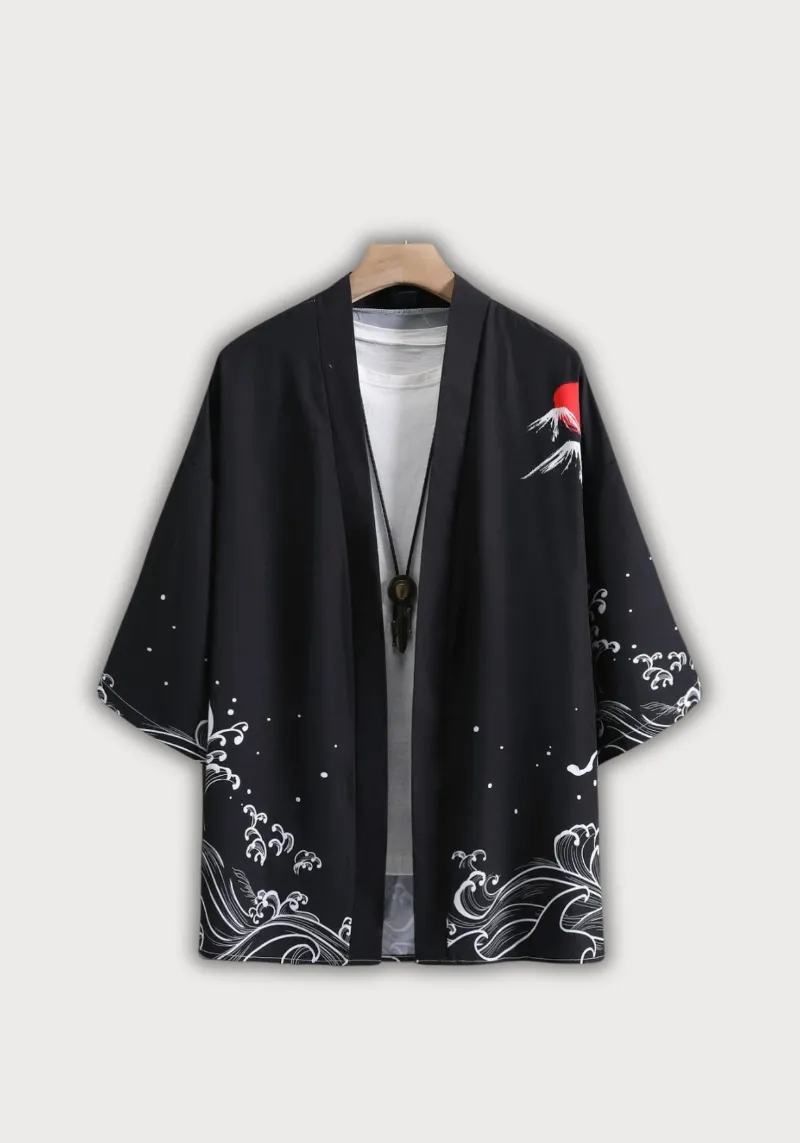
A japanese kimono lasts for decades when you wash it gently and store it wrapped in breathable fabric away from sunlight. Most damage we see on modern kimono robes and jackets does not come from daily wear. It comes from machine washing, plastic storage bags, and damp closets. This guide walks you through how we clean, dry, and store our own pieces so they stay sharp season after season.
How to Wash a Japanese Kimono Without Ruining It
The safest method depends on the fabric, but the rule is the same across the board: cold water, gentle motion, no harsh detergent.
- Check the care label first. Cotton and polyester kimono robes usually tolerate hand washing. Silk and vintage pieces almost always need dry cleaning.
- Hand wash in cold water. Fill a basin with cold water and a small amount of mild detergent. Submerge the garment and swish gently for a few minutes. Never wring or twist.
- Rinse twice. Detergent left in the fibers dulls colors and attracts dirt later.
- Press the water out flat. Lay the kimono on a clean towel, roll the towel up loosely, and press. This removes water without stretching the seams.
- Air dry away from direct sun. Hang the garment on a wide, padded hanger or lay it flat in a shaded, ventilated spot. Sunlight fades dyes fast, especially deep colors like indigo and red.
If you own one of our cotton pieces like the kimono robe, hand washing works well and keeps the print crisp. For structured items such as a hanten jacket or a hanten coat, skip washing entirely unless the label says otherwise. Padded winter pieces lose their loft in water, so spot cleaning with a damp cloth is the better move.
Which Cleaning Method for Which Piece
| Piece | Best method | Notes |
|---|---|---|
| Cotton kimono robe | Hand wash cold | Air dry flat or on a wide hanger |
| Silk or formal kimono | Dry clean only | Tell the cleaner it is silk |
| Hanten jacket or coat | Spot clean | Padded, so never machine wash |
| Noragi jacket | Hand wash or gentle dry clean | Wash separately the first time, indigo can bleed |
| Kimono sweater | Hand wash cold, dry flat | Keeps the knit from stretching |
A noragi jacket deserves a special note: traditional indigo dyes release color in the first few washes. Wash it alone, inside out, in cold water, and the fading settles down after that.
Spot Cleaning: Your First Line of Defense
You do not need to wash a kimono after every wear. In fact, frequent washing wears out the fibers faster than wear itself does. We spot clean instead.
- Dab the stain with a cloth dipped in cold water and a drop of mild detergent. Work from the outside edge of the stain inward.
- Blot, never scrub. Scrubbing fuzzes up the fabric and shifts the dye.
- Let it air dry completely before storing.
Food stains, sweat marks at the collar, and underarm areas are the usual suspects. Treat them within a day or two and most come out without a full wash.
How to Store a Kimono the Right Way
Proper storage matters more than washing for long-term condition. The classic Japanese approach is simple and it still works best.
- Fold along the seam lines. A kimono is designed to fold flat along existing seams, which prevents crease damage. Fold sleeves in, then fold the body in thirds.
- Wrap in acid-free paper or a cotton cloth. Never plastic. Plastic traps moisture and yellows fabric over time. The traditional washi paper wrapping exists for exactly this reason.
- Use a breathable garment bag for hanging pieces. A padded hanger plus a cotton cover protects a robe you wear often.
- Choose a cool, dry, dark closet. Humidity causes mold and mildew, the two biggest killers of stored textiles. If your climate is humid, air the garment out on a dry day every month or two, a practice known in Japan as mushibaoshi (sun-drying to prevent mold).
- Refold differently every few months. Keeping the same folds forever creates permanent crease lines. Shift the fold position when you air the piece out.
Mothballs are a hard no. They leave a permanent chemical smell. Cedar blocks or lavender sachets deter moths without the odor.
Special Care for Dark Colors and Prints
Deep colors like a black kimono and vivid dyes like red kimonos need a bit more attention than neutrals. Dark fabrics show lint, dust, and water spots immediately, and saturated reds are the quickest to fade in sunlight. Wash dark pieces inside out, dry them in shade, and store them away from any window. A lint roller before you head out keeps a black kimono looking freshly pressed.
Pieces with a bold japanese kimono pattern, like our kimono sweater or printed robes, keep their color best when washed cold and rarely. Heat is the enemy of printed fabric, so no hot water and no hot dryer, ever.
Who Should Own Which Piece, and How It Changes Care
Caring for your garment gets easier when you match the piece to your lifestyle. If you want something for daily lounging, a cotton robe is forgiving and easy to hand wash. If you are drawn to traditional menswear styles, our guide to the art of men's kimono and Japanese kimono styles is a solid primer before you pick. Winter wear like a hanten only needs spot cleaning, which makes it nearly maintenance-free.
For a quick overview of how different garment types compare, see this breakdown of nine different kimono types. It helps you understand what you are buying before you think about caring for it.
If you are browsing japanese kimono for sale and wondering where to start, a low-maintenance cotton robe or a spot-clean hanten is the easiest entry point. Check the latest price and grab our discount code before you order, since we keep a running 10% off offer for readers there.
Quick Care Checklist
- Hand wash cold or dry clean depending on fabric; never machine wash a japanese kimono unless the label explicitly allows it
- Air dry in shade on a wide hanger or flat
- Spot clean between wears instead of washing often
- Fold along seams and wrap in breathable paper or cotton, never plastic
- Air out stored garments every month or two in dry weather
- Keep darks and reds out of direct sunlight at all times
Treat a japanese kimono with this level of care and it will genuinely outlast fast fashion by years. The fibers in a well-made piece reward gentle handling, and a small amount of routine beats expensive restoration down the line. When you are ready to add a piece to your rotation, our japanese kimono collection page is a good place to browse, and the discount code page has the current offer.
Frequently asked questions
Can I machine wash a japanese kimono?
Only if the care label explicitly allows it, which is rare. Cotton robes tolerate a delicate cold cycle in a mesh bag at most, but hand washing is safer. Silk, padded hanten, and structured pieces should never go in a machine.
How do I clean a hanten jacket without washing it?
Spot clean with a damp cloth and mild detergent, or dry clean if the stain is stubborn. Hanten jackets and coats are padded, so full washing can ruin the loft and shape.
Why is my indigo noragi jacket bleeding color?
Hand wash it alone, inside out, in cold water for the first few washes. Traditional indigo dye releases color early on, and the bleeding settles down afterward.
What is the best way to store a kimono long term?
Fold it along its existing seams, wrap it in acid-free paper or a cotton cloth, and store it in a cool, dry, dark closet. Never use plastic bags, and air it out every month or two in dry weather.
Does sunlight damage a kimono?
Yes. Air drying in direct sun fades dyes quickly, especially deep colors like black and red. Always dry in shade or lay the garment flat in a ventilated spot.
How often should I wash my kimono robe?
Only after visible stains or odor. Frequent washing wears the fibers faster than normal wear, so spot cleaning between full washes keeps the garment in better condition.