
How to Style a Kimono Robe for Everyday Wear

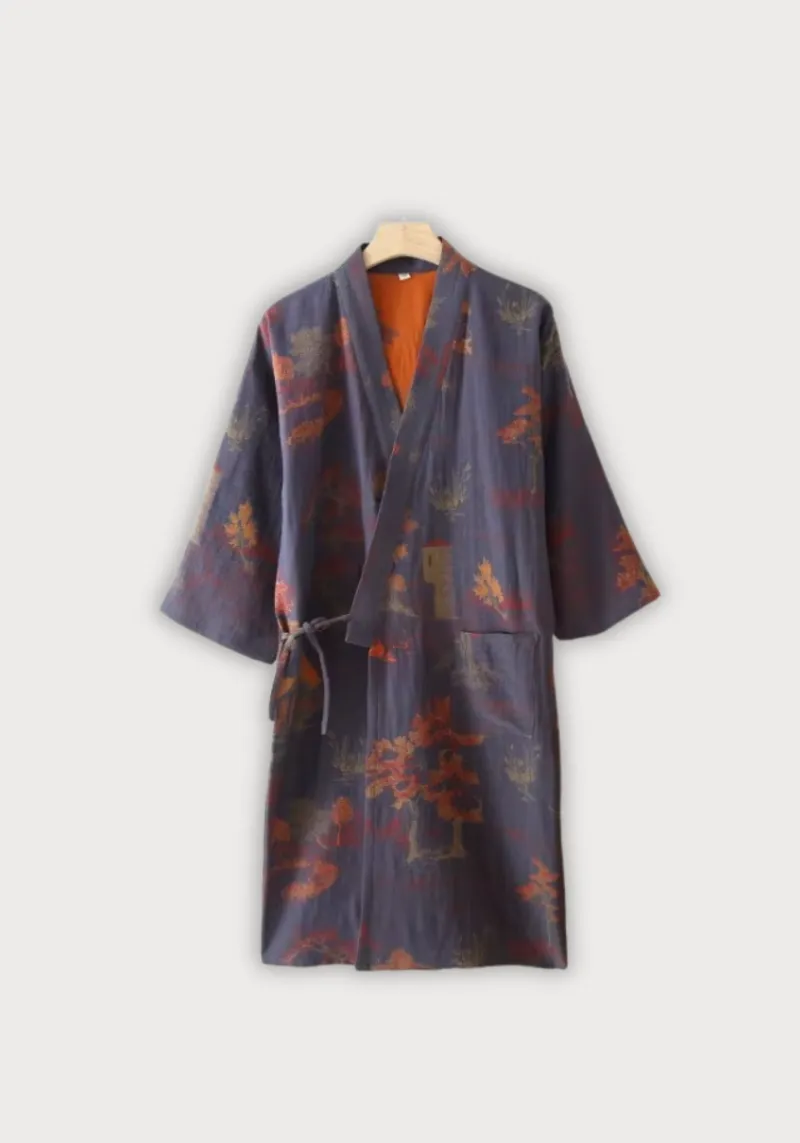
A kimono robe works as everyday wear when you treat it like a light layer rather than loungewear: belt it over jeans, wear it open as a duster, or wrap it like a dress. The fabric is soft and the silhouette is forgiving, so it layers over almost anything without adding bulk. Below, we share the styling formulas we actually use, plus how to pick the right cut, fabric, and length for daily wear.
Kimono Robe Styling Basics: Three Outfit Formulas That Always Work
We test a lot of layers at The Planet Deals, and the reason the kimono robe keeps earning closet space is simple: one piece, three distinct looks.
1. Belted over a base layer. Wear the kimono robe like a wrap top: tuck a fitted tee and jeans underneath, cinch the belt at your natural waist, and let the sleeves billow. This is the fastest way to make loungewear look intentional.
2. Open as a duster. Leave it unbelted over a tank and wide-leg pants. The long vertical lines elongate your frame, which is why this is our go-to for travel days.
3. As a mini dress layer. For shorter cuts, button or belt the robe at the waist and wear it over bike shorts or skinny trousers. It reads as a tunic, not a robe.
If you want a piece designed specifically to be worn outside the house rather than as sleepwear, the japanese kimono styles at Kimonorie are cut with street-ready proportions and patterns that photograph beautifully.
Choosing the Right Fabric: Cotton, Silk, and Blends
Fabric decides whether a robe reads as "getting ready" or "going out."
- Kimono robe cotton is the everyday winner. It breathes, washes easily, and holds structure when belted. Choose cotton if this is your first robe and you plan to wear it weekly.
- Silk kimono robe styles drape the closest to the body and catch light in a way that instantly dresses up jeans and a tee. They need gentler care, so save them for dinners and events.
- Blends sit in the middle: decent drape, easy care, usually the friendliest on price.
One tip from our wash tests: patterned cotton hides wrinkles between washes, which matters when a piece lives on your chair and not in your closet.
Length and Cut: Short, Mid, and Long Compared
Sizing down or up is less important than picking the right length for your height and lifestyle.
| Length | Best for | How to style it |
|---|---|---|
| Kimono robe short | Petite frames, warm climates | Belted over shorts or as a top layer with denim |
| Mid-length | Most heights, office to errands | Open over slim pants; belt over a dress |
| Long / duster | Layering statement, cooler days | Unbelted over monochrome base layers |
Shorter cuts are easier to sit and bike in, which makes them the most practical if your "everyday" involves commuting. If you run warm, a kimono robe short option paired with a kimono sweater underneath gives you warmth you can shed as the day heats up.
Who It Suits: Women, Men, and Matching Sets
A kimono robe is one of the few garments that genuinely crosses gender lines.
- Women kimono robe styling leans into waist definition: belt it, front-tuck your base layer, add simple sandals.
- Kimono robe men's looks best worn open and straight, almost like a lightweight chore coat, over a plain tee and relaxed trousers.
- Japanese kimono robe female cuts often have wider sleeves and shorter body lengths; check the size chart before ordering if you plan to belt it.
If you want a matching-set vibe without buying a set, pair a kimono sweater over the top of a plain robe, or layer the open robe under a hanten jacket on cold mornings. The quilted warmth of a hanten jacket over a flowing robe sounds odd until you try it; it is a genuinely good cold-weather formula.
Color Picks That Wear Well Every Day
- Black kimono. The most versatile choice. A black kimono behaves like a neutral jacket: it goes over everything and never competes with printed pants or bright sneakers.
- Kimono robe pink. Softer than it looks. Pale pink reads neutral next to denim and cream, while deeper rose tones anchor an all-black outfit.
- Red kimonos. The boldest everyday option, and easier to wear than you expect. Keep the rest of the outfit neutral and let a red kimino do the talking; browse the full range of red kimonos if you want one statement layer for the season.
If color decision fatigue is real for you, start with black for daily wear and add one printed or colored robe once you know your preferred length.
Where to Buy and How to Get the Best Price
We have tested several Kimonorie pieces and they consistently punch above their price point on fabric weight and print quality. Before you order, grab the code at our Kimonorie discount page; there is a current 10% off offer on all orders, and we keep that page updated if the terms change.
A quick buying checklist:
- Pick your fabric first (cotton for daily wear, silk for occasions).
- Choose length based on where you will wear it most.
- Check the size chart if you plan to belt it closed.
- Apply the discount code at checkout.
For extra styling inspiration outside our own testing, browsing curated editorial collections like Women's Kimonos | Kimono Robes & Dresses is a good way to see how retailers pair robes with dresses and vests for street-ready looks.
Care Tips So Your Robe Lasts
- Wash cotton robes cold and hang dry to keep prints crisp; skip the dryer when you can.
- Silk needs a gentle cycle or hand wash in cool water, and it should dry flat or on a padded hanger.
- Iron on low heat from the inside out, or steam instead. Steaming preserves the drape better than pressing.
- Store robes hung rather than folded if they have stiff collars or wide sleeves, which crease permanently.
Treat the robe like a jacket, not like loungewear, and it will hold its color and shape far longer. Once you have one in rotation, the second one is inevitable; we went from one to three within a season.
Frequently asked questions
Can I wear a kimono robe outside the house?
Belt it over a fitted base layer like a tee and jeans, or wear it fully open like a duster. The key is treating it as a light jacket layer rather than sleepwear.
What fabric should I choose for a daily-wear kimono robe?
Cotton is the best choice for everyday wear because it breathes, washes easily, and holds its shape when belted. Save silk for occasions when you want a dressier drape.
Do kimono robe sizes run the same as regular tops?
No, they are cut for different purposes. Robes have ties and are designed as wrap layers, while japanese kimono styles are often cut with street-ready proportions. Check the product page and size chart before ordering.
What length kimono robe is best for everyday wear?
Short or mid-length robes are the most practical for commuting and sitting, while long duster styles work best for layering over tall or slim base layers.
How do I style a red kimono without it looking too bold?
Keep the rest of the outfit neutral with black, denim, or cream pieces, and let the colored robe be the single statement layer.
Is there a discount code for Kimonorie robes?
You can check our Kimonorie discount page, which lists the current offer of 10% off all orders and is updated whenever the terms change.