
Jubilee vs. Oyster Bracelets: Which Mod Fits Your Watch Best?

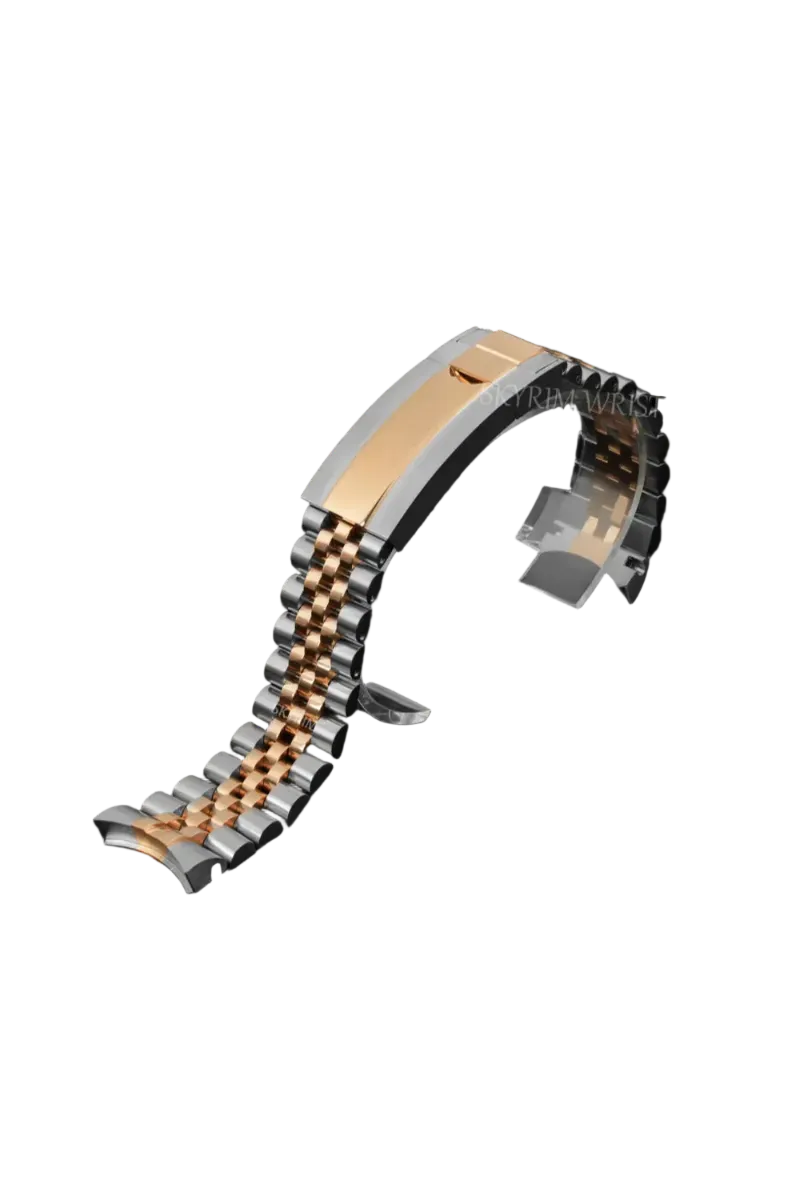
Jubilee Mod or Oyster: The Quick Answer
A jubilee mod is the fastest way to change how your watch feels on the wrist and looks on the outside, and for most modders the choice comes down to jubilee versus oyster. Pick a jubilee if you want a dressier, more liquid-looking bracelet with finer links that drape over your wrist. Pick an oyster if you want a sportier, more utilitarian look with chunkier links that shrug off daily abuse. Neither is objectively better; they just suit different watches and different wrists.
We have swapped both across dozens of builds, including our own seiko mod watches, and the honest answer is that most people end up keeping one of each and rotating based on the day. If you are buying your first upgrade bracelet, though, here is how we would decide.
Comfort: How Each Bracelet Actually Feels
- Jubilee. Five-link construction means more, smaller links. That flexibility is the whole point: the bracelet wraps around your wrist instead of bridging over it. On smaller wrists (under about 6.75 inches), a jubilee usually wears better because it does not leave gaps at the side of the wrist. The trade-off is that the tiny links can pull arm hair if the edges are not polished well.
- Oyster. Three flat, broad links. It is slightly stiffer out of the box, but a well-made oyster breaks in within a week or two. The flat profile sits a touch taller off the wrist and ventilates better in summer, which some people prefer for all-day wear.
One practical note: both styles should have solid end links (or a well-executed fit) where the bracelet meets the case. A floating end link on either style is the most common cause of rattling and side-to-side play, so check that before you buy.
Which Bracelet Suits Which Watch
This is where taste and case design collide. Use this as a starting point:
| Watch type | Best match | Why |
|---|---|---|
| Dress watch, like a gold watch | Jubilee | Finer links read as formal and echo vintage dress bracelets |
| Everyday stainless steel watch | Either | Oyster leans sporty, jubilee leans refined; both work with steel |
| Seiko mod builds | Jubilee or oyster | Match the bracelet to the bezel: fluted bezel = jubilee, smooth = oyster |
| Skeleton watch | Oyster | The open dial and technical case pair better with a structured bracelet |
| Leather strap watches | Neither (or quick-release jubilee) | Leather is the point; keep a jubilee as a swap option |
A quick example from our own bench: we fitted a jubilee mod to a smooth-bezel stainless case and it instantly dressed the watch up, while the same case on an oyster looked ready for a hike. Same watch, two personalities.
How to Fit a Jubilee Mod: Step by Step
Fitting either bracelet is a 15-minute job with the right tools. Here is our process:
- Gather tools. You need a spring bar tool (or a forked strap tool), a link-removal pin tool or a pin-and-collar pusher depending on your bracelet, and a microfibre cloth.
- Remove the old strap or bracelet. Compress the spring bar between the lugs and lever it free. Do this over a towel so nothing skitters across the floor.
- Size the new bracelet. Measure your wrist, then remove links from both sides of the clasp equally. Keeping the clasp centred is what makes the bracelet wear straight.
- Note the link type. Jubilee links are often pin-and-collar (push pins out, remove collars with a pointed tool) while oysters frequently use screws. Do not hammer screws; unscrew them.
- Attach and test. Seat the spring bars into the lug holes, tug firmly on each side to confirm they are locked, then wear it for a day before final sizing. Wait at least 24 hours before removing more links; a bracelet always feels tighter when new.
If your watch uses quick-release spring bars, steps 2 and 5 take seconds and you can rotate between a jubilee and a leather strap in the same sitting. That is exactly why we like pairing a leather strap watches collection with a metal bracelet: one watch, two looks.
Sizing Tips Most Guides Skip
- Remove links in pairs from each side so the clasp stays centred; an off-centre clasp is the number one cause of a bracelet that feels "wrong" even at the correct length.
- Leave micro-adjustment room. Most clasps have two to four positions on the driver link, so size for the tightest comfortable fit and open it a notch in hot weather.
- If you are between sizes, size the bracelet for the larger wrist setting and let the clasp do the fine tuning. Your wrist changes volume through the day more than you think.
- On jubilee bracelets, the end links are the sizing bottleneck. If the last link before the end link cannot be removed, size from the opposite side and check the clasp still sits flush against your wrist.
Care and Long-Term Maintenance
Both styles are low-maintenance, but the five-link jubilee traps more grime between links. Our routine:
- Rinse with lukewarm water and a drop of dish soap every few weeks, scrub gently with a soft toothbrush, and dry thoroughly.
- Check spring bars and end links every few months for play; a worn bar is cheap to replace and prevents a dropped watch.
- For gold-tone or plated finishes, avoid abrasives entirely and store away from other metal objects to prevent scratching.
If you are picking up a bracelet alongside a new piece, check the latest price and grab the code at our skyrim wrist discount page before checkout; it stacks on the whole store.
Who Should Pick Which
- Choose a jubilee mod if: you want maximum comfort on a smaller or average wrist, your watch has a fluted or dressy bezel, or you are building something with vintage formal energy.
- Choose an oyster if: your watch is sporty or tool-flavoured, you prefer a flatter profile, or you want a bracelet that hides scratches and water exposure without thinking about it.
Whichever way you go, the good news is that this is the most reversible upgrade in watch collecting. Start with the style that matches how you actually dress most days, keep the other on a strap changer, and you effectively get two watches for the price of one build. And if you are still deciding between bracelet styles and case finishes, our guide pairing covers it in more depth, or you can browse the full stainless steel watch range to see how each bracelet looks on real cases.
Frequently asked questions
What is the difference between a jubilee mod and an oyster bracelet?
A jubilee bracelet uses five smaller links per row, so it drapes flexibly around the wrist and looks dressier. An oyster uses three flat links, giving a sportier, more structured feel.
Is a jubilee mod comfortable for small wrists?
Jubilee is often the more comfortable choice because the extra links flex and wrap rather than bridging over the wrist. Comfort still depends on end-link fit and proper sizing, so check both before buying.
What tools do I need to fit a jubilee bracelet?
You need a spring bar tool and either a pin-and-collar pusher or a screwdriver depending on the link type. The swap takes about 15 minutes; sizing may take an extra day of wear to fine-tune.
Can I put a jubilee bracelet on any watch?
Mostly yes, as long as the lug width matches and the end links suit the case. Jubilee bracelets suit fluted or dressier bezels especially well, while smooth, tool-style cases often look better on an oyster.
Do I need solid end links on a jubilee or oyster bracelet?
Yes, solid end links hold the bracelet snugly against the case and prevent rattling. Floating end links are the most common cause of side-to-side play on either bracelet style.