
How Long Do Leather Strap Watches Last? Care Tips to Extend Their Life

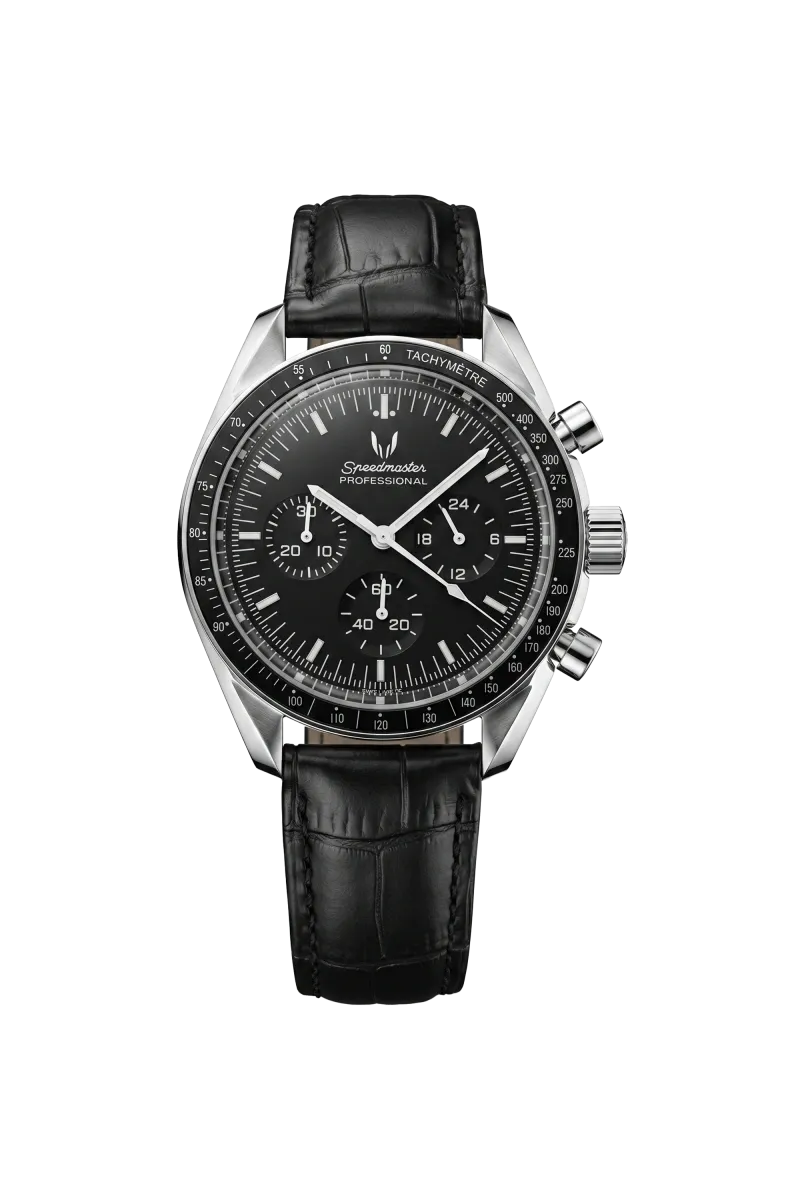
A well-made leather strap usually lasts one to four years of regular wear, but with the right care routine you can comfortably push that to five years or more. The strap fails long before the watch does, so how you treat the leather matters more than the watch itself. This guide covers what actually kills leather straps, a simple care routine, and how to know when it is time to replace the strap rather than the watch.
Why Leather Strap Watches Wear Out Faster Than Metal
Leather is skin. It absorbs sweat, oils, water, and sunscreen, then dries out and cracks when you cycle between wet and dry. Every one of our leather strap watches uses full-grain leather on the strap for exactly this reason: better hide, longer life. But even the best leather has a lifespan, and a few things shorten it dramatically:
- Sweat and body oils. Salt and acid break down leather fibers from the inside. Daily wear without cleaning is the number one strap killer.
- Water. A splash is fine. Repeated soaking swells the leather, then drying stiffens and cracks it.
- Friction. A strap that sits too loose rubs against itself at the buckle and spring bars, wearing through the keeper and holes.
- Sunlight and heat. UV fades the color and dries the finish. Leaving a watch on a sunny windowsill or radiator accelerates cracking.
- Soap and alcohol. Cleaning leather with hand soap, sanitiser, or solvents strips its natural oils.
The watch head is a different story. A stainless steel watch case can shrug off decades of wear, which is why the smart move with any classic watch is to treat the strap as a consumable and the watch as a keeper.
A Care Routine That Actually Works
You do not need special equipment, just consistency. Here is the routine we follow on our own test straps:
- Wipe after wear. At the end of the day, run a dry or barely damp microfiber cloth along the underside of the strap. This removes the day's sweat before it soaks in.
- Let it breathe. Never put a damp strap back in a closed box. Lay the watch flat in open air overnight.
- Rotate straps. If you wear the same watch daily, the strap never fully dries. Owning two watches, or pairing a classic watch with a jubilee mod bracelet on your second one, doubles the life of both straps.
- Condition sparingly. Every two to three months, apply a tiny amount of leather conditioner (the kind sold for shoes works fine) with a soft cloth. A thin layer, buffed off. Over-conditioning clogs the pores.
- Keep it off the radiator. Air-dry a wet strap at room temperature, away from direct heat and sun. Heat drying is what turns soft leather into cardboard.
- Loosen one hole in summer. A strap worn a notch looser sweats less and stays drier.
Water, Sweat, and Seasonal Care
Summer is the hard season for men leather strap watches. Humidity keeps the leather damp, and salt from sweat builds up faster. If you know a day will involve heavy sweating, swimming, or rain, wear metal instead. It is one reason we recommend owning at least one everyday stainless steel watch alongside a leather-strapped dress piece.
For winter, the enemy flips: dry indoor heating pulls moisture out of the leather. Condition slightly more often and store the watch away from heat vents. If you rotate between a formal gold watch and a casual piece, give each strap a wipe-down before it goes into storage for the season.
Choosing a Strap That Lasts
Not all straps age the same way. When you are shopping, or swapping the strap on a watch you already own, look for:
- Full-grain or top-grain leather rather than bonded leather, which is scrap fibers glued together and delaminates within months.
- Stitched edges instead of folded and glued edges, which peel once moisture gets in.
- A lining layer. A lined strap keeps sweat away from the outer leather.
- Quick-release spring bars. These let you swap a tired strap in seconds without tools, which makes rotation effortless.
This is also where Seiko fans have an advantage. Many seiko mod watches use standard lug widths, so a worn strap is a two-minute, low-cost replacement rather than a reason to retire the watch. If you build around a movement you love, strap changes become part of the hobby rather than a chore. Watchuseek's long-running thread on what are the best leather strap watches is a useful place to see which aftermarket straps owners rate for durability.
How Leather Straps Compare to Other Options
If longevity is your top priority, here is how the common strap materials stack up:
| Strap type | Typical lifespan | Best for |
|---|---|---|
| Full-grain leather | 2 to 5 years with care | Dress and classic looks, comfort |
| Bonded leather | 6 to 18 months | Budget straps, short-term use |
| Stainless steel / jubilee | 10+ years | Daily wear, water exposure |
| Silicone or rubber | 2 to 4 years | Sports, summer, swimming |
Leather wins on comfort and how it ages aesthetically, developing a patina steel never will. It loses on maintenance. That trade is the whole decision.
When to Replace the Strap Instead of the Watch
Leather gives you clear warning signs before it fails. Replace the strap when you see any of these:
- Cracks at the fold point near the buckle, where the strap bends every time you fasten it
- Visible fraying, splitting, or delamination along the edges
- A persistent smell that cleaning does not remove, which means sweat has penetrated the lining
- Stiffness that does not recover after conditioning
- Tearing around the spring bar holes
Do not wait for a full break. A strap that snaps while you are out can send the watch head to the floor, and that is how a watch case and crystal get damaged. At that point, the fix is cheap and quick: swap on a fresh strap from our leather strap watches range, or grab a new watch entirely using our code at the Skyrim Wrist discount page, where you can check the latest price and current sitewide offer before you buy.
Which Watches Suit a Leather Strap Best
Leather flatters certain designs more than others. In our experience, the best leather strap watches pairings are:
- Dress watches. A slim case on leather is the classic formal combination, and our gold watch is built for exactly this look.
- Open-dial and skeleton designs. A skeleton skeleton watch on leather reads more refined than the same piece on rubber, because the strap keeps the focus on the movement.
- Minimalist everyday watches. A clean dial on tan or black leather works with nearly everything in a wardrobe.
Themed and game-inspired pieces can work on leather too, though many owners of a joker watch or a skyrim wrist piece prefer steel or rubber for daily wear and keep leather for the times the watch is on display. For more inspiration across brands and price points, this roundup of top leather strap watches covers the style well, and WatchPilot's guide to classic leather strap watches is a solid read on pairing dressy cases with the right hide.
The bottom line: leather strap watches reward a small amount of routine. Wipe them down, keep them dry, condition occasionally, rotate between straps, and replace the strap the moment it shows cracks. Do that, and the leather will outlast the typical lifespan several times over while the watch head keeps ticking for decades.
Frequently asked questions
How long do leather strap watches last with daily wear?
Most leather straps last one to four years with daily wear, but regular cleaning, conditioning, and rotating between straps can stretch that to five years or more.
Can I get my leather strap wet?
A single splash will not hurt, but repeated soaking swells the leather and causes cracking as it dries. For swimming or heavy rain, a metal or rubber strap is the better choice.
How often should I condition a leather watch strap?
Use a leather conditioner designed for shoes or accessories every two to three months, applied in a thin layer with a soft cloth. Over-conditioning clogs the pores, so less is more.
Can I change the strap on a Skyrim Wrist watch myself?
Yes, most of our models use standard lug widths and quick-release bars, so you can swap between leather, steel, or rubber in seconds without tools.
When should I replace a leather watch strap?
Replace it when you see cracks at the buckle fold, fraying edges, splitting, persistent odor, or stiffness that conditioning does not fix. Do not wait for it to snap.