

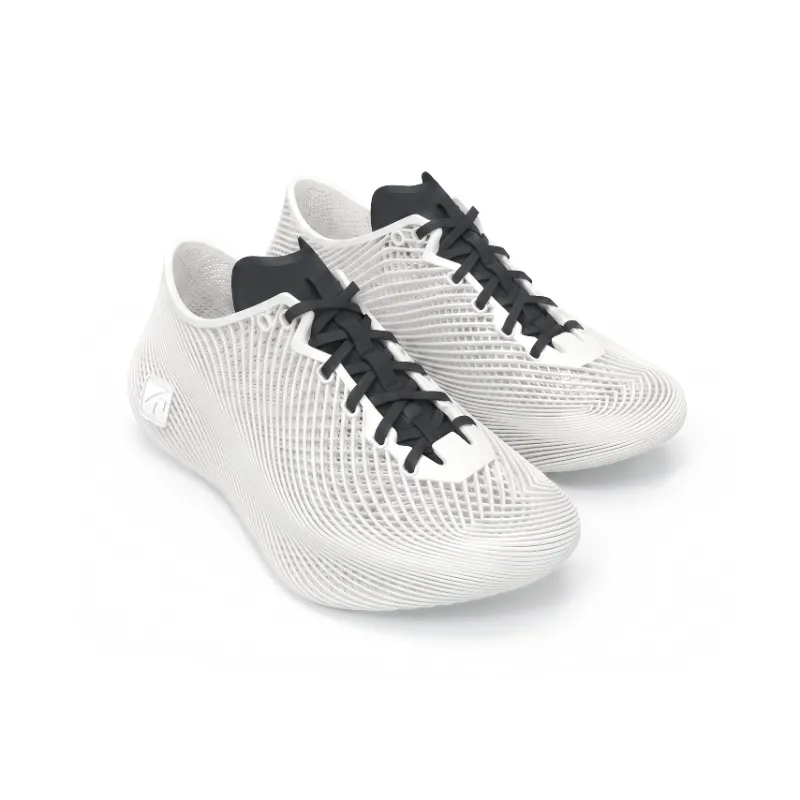
Keeping most breathable sneakers fresh between washes comes down to three things: air moving through the upper, moisture leaving the shoe fast, and a short routine you actually repeat. Breathable uppers do not smell the way older synthetic shoes do, but the mesh that lets air in also traps sweat, dead skin and warm bacteria if you never give it a chance to dry. The good news is that most of the work happens in ten minutes a day and no washing machine.
Below is the routine we use on our own pairs, plus how to treat each upper material, when a wash is actually justified, and what to check before you order the most breathable sneakers in the first place.
Why airflow beats soap in most breathable shoes
Breathability is only half the job. An engineered knit or open mesh upper moves heat and vapour out, but if you pull the shoes off and drop them in a closed bag or a dark cupboard, that vapour goes straight back into the foam and lining. Then the next wear starts damp, and damp is what bacteria want.
- Take them off loosely laced and place them where air moves. A doorway, a balcony, a fan-facing shelf. Not under a bed.
- Pull the insoles out. The insole holds more sweat than the upper and it dries slowest.
- Loosen the laces wide and open the tongue so air can move down the throat of the shoe.
- Give them 24 hours between wears if you can. Rotating two pairs roughly doubles how long each pair stays fresh.
That is the whole daily habit. Nothing here costs money.
A ten-minute refresh routine for most breathable sneakers
Do this once or twice a week, not every day.
- Dry-brush the inside. A soft brush or dry cloth through the lining lifts the salt and skin cells that feed odour.
- Wipe the outside with a barely damp microfibre cloth. Damp, not wet. Mesh absorbs water fast and takes hours to release it.
- Spot-treat the collar and tongue where sweat sits. Mild soap, tiny amount of water, blot don't scrub.
- Deodorise dry, not wet. A sprinkle of bicarbonate in the shoe overnight, tipped out in the morning, works better than sprays that add moisture.
- Air them out in shade. Direct sun on a hot day can yellow some knits and stiffens foam midsoles.
Two things to avoid: never put breathable sneakers in a tumble dryer, and never soak a mesh upper in a bucket. Heat and saturation both break down the glue lines before they break down the dirt.
Cleaning by material: what each upper can take
| Upper material | Best refresh method | Avoid |
|---|---|---|
| Engineered knit or mesh | Dry brush, damp microfibre wipe, air dry in shade | Soaking, machine wash, direct heat |
| Perforated synthetic | Damp cloth plus mild soap on a soft sponge | Harsh solvent, scrubbing the perforations |
| Canvas | Damp cloth with mild soap, stuffed with paper to hold shape | Long soaks that shrink and distort |
| Knit with suede overlays | Brush the knit, dry-brush the suede only | Water on suede panels |
Understanding breathable shoe materials is the shortcut here. The more open the weave, the less water it can take before it is working against you.
Stop the smell at the source, not in the shoe
If a pair keeps smelling within a day of cleaning, the problem is usually not the shoe.
- Socks matter more than deodoriser. Cotton holds sweat against the foot. Thin merino or synthetic running socks move it away.
- Two pairs beat one pair. Shoes worn daily never fully dry.
- Barefoot wear in summer shortens a shoe's fresh life dramatically.
- Foot powder in the shoe, not on the foot, is the low-effort fix for heavy sweaters.
If the odour survives a proper clean and a full 48 hours of drying, the bacteria have moved into the midsole foam. At that point a wash will not fix it and the pair is a replacement candidate.
Fit and sizing: the freshness factor nobody mentions
A shoe that is slightly too tight runs hotter. Your foot presses into the lining, airflow through the upper drops, and sweat has nowhere to go. Before blaming the fabric, check your fit.
- Leave a thumb's width at the toe box.
- Make sure the widest part of your foot sits at the widest part of the shoe, not over the midsole edge.
- Try on with the socks you actually wear. Our sneaker size and fit guide style advice applies to both breathable sneakers and everyday trainers equally.
If you are shopping for a second pair to rotate, the most breathable shoes in the ARKKY range are built around open uppers rather than heavy overlays, which is exactly what a rotation needs.
Extra kit that makes the routine stick
Small, cheap additions keep the habit going. A shoe horn, a second pair of insoles, and a drawstring bag for the gym all help. So does something to keep your hands busy while you sit and tie laces properly, because rushed lacing is how people end up wearing shoes too tight all day. The 3d stress ball and the stres ball are the sort of small add-on that turns a kit bag into a routine, and the same care rules apply to them: wipe with a damp cloth, keep out of direct sun, and let them air dry fully after heavy use so the surface stays grippy instead of tacky.
Before you order: what to check
Buying a fresh pair is where most people lose money, not in the cleaning.
- Read the returns window before you unbox, and check whether worn-outdoors pairs are excluded.
- Look at shipping and delivery times if you need them for a trip or a season change.
- Skim customer reviews for fit comments, not star averages. Reviewers mentioning "runs small" or "hot in summer" are worth ten five-star one-liners.
- Check the store is legit before entering card details: real contact details, a clear returns policy, and payment methods you recognise.
- Understand how the discount code applies before checkout, including whether it stacks with sale items.
The ARKKY offer currently running is 10% off all orders, and you can grab the code here before you add anything to the basket. If you want current pricing rather than a number from an old screenshot, check the latest price on the store page instead of trusting a cached listing.
The short version
Air, dryness and rotation keep most breathable sneakers fresh. Wash rarely, dry thoroughly, clean by material, fix the fit before you blame the fabric, and keep a spare pair in rotation so no shoe has to dry on your foot.
 Shopping at ARKKY? See today's verified ARKKY discount code
Frequently asked questions
Can I machine wash most breathable sneakers?
No. Mesh and knit uppers hold water, and the heat and agitation break down glue lines and midsole foam. A dry brush, a barely damp cloth and airflow handle almost everything a machine would.
How often should I clean my most breathable shoes?
A quick air-out after every wear, a deep refresh once a week or every two weeks, and a full clean only when you can see dirt or the lining feels stiff. Over-cleaning wears out knit uppers faster than wearing them.
Why do my breathable sneakers still smell after cleaning?
Usually because they never fully dried or the odour has reached the midsole foam. Give them 48 hours of real airflow with the insoles out, and switch to socks that move moisture away from the foot before cleaning again.
Can I use a stress ball to help break in new sneakers?
Not for breaking them in, but a stres ball or 3d stress ball is handy for keeping your hands busy while you lace properly and let your feet settle into a new pair instead of rushing them on.
Do breathable uppers need a protective spray?
A light water-repellent spray can help on knit and canvas, but check it is fabric-safe and apply it outdoors. Skip it on perforated synthetic uppers where it can clog the holes that do the breathing.