

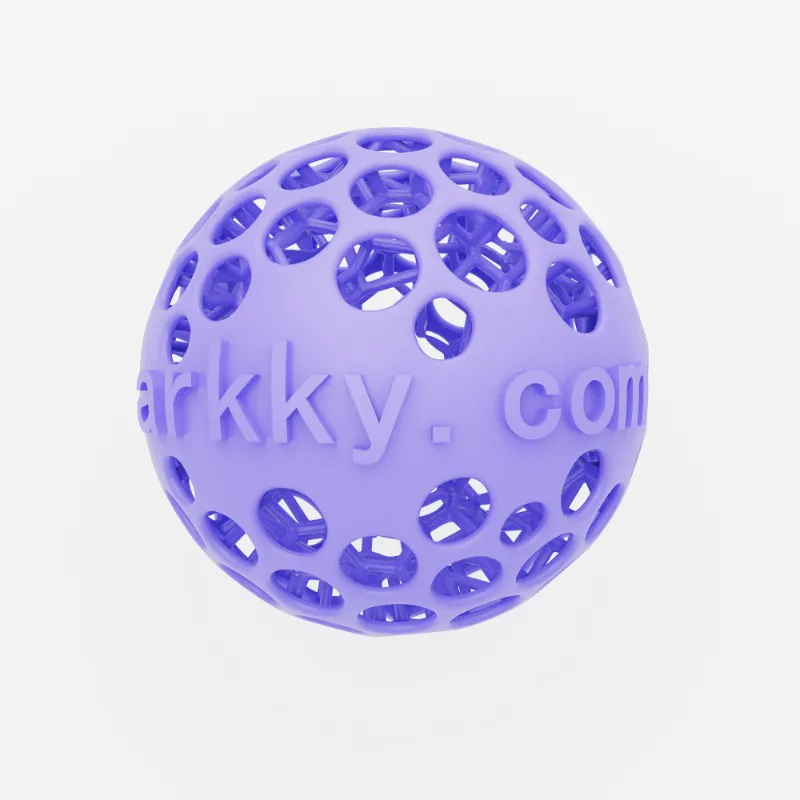
A 3d stress ball typically lasts six months to two years of regular squeezing, and the material decides where on that range you land. Foam breaks down fastest, gel-filled balls fail at the seam, and solid silicone or TPR rubber holds up longest. Below is how to spot the warning signs early, what actually causes a ball to die, and how to get more squeeze life out of the one on your desk.
Signs Your Stres Ball Is Past Its Best
Squeeze it once and you will usually know. The tells are consistent across every stres ball we have tested:
- It stays dented. A ball that no longer springs back has lost its internal structure or its foam memory.
- Surface cracks or a sticky film. Hand oils and UV light break down the outer skin, and tacky rubber is the stage before a split.
- A bulge or soft spot near the seam. That is exactly where gel and sand-filled balls fail first.
- Leaking filler. Once gel or sand escapes, retire it. There is no repair.
- Crumbling foam. Foam balls shed dust and lose resistance, so the squeeze turns mushy.
- A smell that will not wash out. Old rubber and absorbed sweat are hard to shift.
One ticked box is normal wear. Two or more means it is time to plan a replacement rather than wait for it to burst in a bag.
3D Stress Ball Materials and How They Age
The shell matters more than the shape. Here is how the common builds compare after months of daily use:
| Material | Typical lifespan with daily use | What to expect |
|---|---|---|
| PU or EVA foam | 3 to 6 months | Softens fast, sheds crumbs, cheapest to replace |
| Gel or sand filled | 6 to 18 months | Best feel under the thumb, seam is the weak point |
| Silicone | 1 to 2 years | Holds shape, resists oils, can turn tacky over time |
| TPR rubber | 1 to 2 years | Firm resistance, cracks if left in direct sun |
A 3d stress ball with a printed geometric surface adds one more failure point: the print can scuff or fade while the rubber underneath is still fine. That is cosmetic, not structural. Judge the ball by how it springs back, not by how it looks on the shelf.
Thickness is the other factor. Thin shells feel great on day one and split sooner. If your grip is strong, buy a firmer ball rather than a softer one, because you will compress the wall less violently and the seam will last longer.
Repair or Replace?
Some wear is fixable at home:
- Tacky silicone. Dust lightly with talcum powder and rub it in.
- Surface grime. Wash with mild soap and lukewarm water, then air dry fully before use.
- Faded print. Leave it. It does not affect function.
Not fixable, so do not try:
- Any tear that goes through the shell
- Any leaking filler, gel or sand
- Crumbling or shedding foam
- A permanent dent that survives a 24 hour rest
A Care Routine That Extends Its Life
Stress ball materials and care are simple, but most people skip the basics and lose six months of usable life:
- Keep it out of direct sunlight and away from radiators. Heat is the number one killer of rubber shells.
- Store it in a drawer or a soft pouch, not loose in a bag with keys and coins.
- Wash it monthly with mild soap, rinse, and air dry completely. Never put it in a dishwasher or washing machine.
- Rotate between two balls if you squeeze for hours a day, which gives each shell time to recover.
- Do not bite, stab, or stretch it past its natural limit to test it.
Before You Buy a Replacement
Replacing a worn ball is cheap, but the shopping still deserves ten minutes of care:
- Reading customer reviews is the fastest way to learn whether a shell splits at the seam after a month.
- Checking a store is legit means looking for a real returns policy, a physical contact route, and clear product descriptions rather than stock photos alone.
- How discount codes work varies by store, so read the terms on the offer page before you assume a code stacks with a sale.
- Shipping and delivery times, order tracking help, payment methods accepted, and returns and exchanges are all worth a glance before checkout, especially on a low-value item where return postage can cost more than the product.
You can grab the code for the current ARKKY offer, and check the latest price on the product page before you order. If you are buying several items at once, confirm the code applies across the basket rather than to one line item.
Pairing It With Breathable Footwear
Squeezing a ball between sets is a small habit, but the gear you wear for those sessions matters more. If your training shoes trap heat, look at the most breathable sneakers for ventilated uppers and a fit that does not swell your feet after an hour. Runners who prefer a lower profile can compare the most breathable shoes in the range on the same store page. Use the sneaker size and fit guide, check the breathable shoe materials listing, and size up half a step if you train in thick socks.
Both are worth buying alongside a spare stress ball so a single order covers the small stuff, which usually means one delivery window and one round of order tracking instead of two.
Bottom Line
Treat a 3d stress ball as a consumable, not a permanent desk fixture. Buy from a material you know suits your grip strength, keep it out of heat and sunlight, wash it monthly, and replace it the moment filler leaks or the shell stops springing back. That routine is the difference between a ball that lasts a couple of months and one that survives a full year of meetings.
 Shopping at ARKKY? See today's verified ARKKY discount code
Frequently asked questions
How long should a 3d stress ball last with daily use?
Expect roughly six months to two years depending on the material. Foam balls are the shortest lived, while silicone and TPR rubber hold their shape longest. Daily, heavy squeezing pushes you toward the shorter end of that range.
What are the first signs a stres ball is wearing out?
A sticky or tacky surface, a dent that will not spring back, and a soft spot near the seam are the earliest warnings. Any leaking filler or crumbling foam means it is finished.
Can I fix a leaking or cracked stress ball?
Not safely. Once the shell is torn or filler is escaping, the ball cannot be resealed reliably and should be replaced. Home repairs are only practical for tacky surfaces and light grime.
Does washing a stress ball make it last longer?
A monthly wash with mild soap and lukewarm water removes the hand oils that break down rubber, as long as you air dry it fully. Never put it in a dishwasher or washing machine.
How do I check the price and any discount code before ordering?
Read the store's offer page first, since codes often have exclusions or cannot stack with sale items. The ARKKY coupon page lists the current offer and links straight to the product pages.
Can I order a stress ball and breathable sneakers together?
Usually yes, and it is the smarter way to buy because you get one delivery window and one tracking number. Check the shipping, returns, and payment details on the store page before checkout.