
What to Know Before Buying a Cupping Machine for Home Use

A cupping machine simplifies traditional cupping therapy by automating suction control, making it easier to target sore muscles and promote recovery at home without manual pumps or fire. We tested several electric models and traditional sets to identify what separates a reliable device from one that disappoints, and the differences come down to suction consistency, cup quality, and how well the controls match your skill level.
Before you add a cupping machine to your wellness toolkit, understanding suction modes, material safety, and maintenance requirements will help you avoid buyer's remorse and get the relief you need.
Electric vs Manual: Which Cupping Machine Fits Your Routine
Electric cupping machines offer preset suction levels and automatic timers, ideal if you want consistent pressure without guessing. Models like the Revomadic theracup let you dial in intensity with a digital display, and the motor holds suction steady across longer sessions. Manual sets require a hand pump to create vacuum pressure, which gives you tactile feedback but demands more effort and attention during treatment.
The best electric cupping machine for you depends on how often you plan to use it. Daily users benefit from programmable modes and rechargeable batteries, while occasional users may prefer a simple manual set that stores compactly. If you treat multiple areas in one session, electric automation saves time and reduces hand fatigue.
Portability matters too. Compact devices like the copperred cupping massager fit in a gym bag, while larger professional cupping machine systems stay on a shelf at home. Consider where you'll actually use the device before prioritizing features you won't need on the go.
Suction Power and Control: What Your Muscles Actually Need
Suction intensity ranges from light (for sensitive skin or beginners) to deep tissue (for chronic knots and athletic recovery). A quality cupping device offers at least three adjustable levels so you can scale up as your tolerance builds. We found that devices with incremental control prevent bruising better than all-or-nothing switches, especially around bony areas like the spine or knees.
Look for these suction features in a massage cupping machine:
- Gradual ramp-up: motors that increase pressure slowly reduce discomfort and skin reactivity
- Pressure hold: consistent vacuum throughout the session, not a slow leak that forces re-pumping
- Quick release: a vent button or auto-shutoff that breaks suction safely when you need to reposition
- Visual or audible feedback: LEDs or beeps that confirm your setting, useful when you can't see the display mid-treatment
Devices that lack fine control often leave users either under-treating or over-bruising. If you're new to cupping therapy, start with a model that includes a beginner mode or a detailed intensity guide. Grab the current discount code to try a higher-end model without the full retail cost.
Cup Material, Size, and Hygiene Considerations
Cups come in silicone, plastic, or glass, each with tradeoffs. Silicone cups flex to fit curved areas like shoulders and calves, and they're nearly unbreakable. Plastic cups (common in budget electric sets) are rigid and pair well with automated suction but may crack over time. Glass cups, often used in traditional fire cupping, aren't compatible with electric machines but appeal to purists who prefer manual technique.
Size selection matters for targeting specific zones:
- Small cups (1–2 inches): face, hands, or pinpoint trigger spots
- Medium cups (2–3 inches): arms, calves, or narrow muscle groups
- Large cups (3–4 inches): back, thighs, or broad fascial areas
The revo cupping system includes multiple sizes in one kit, letting you switch cups mid-session without buying add-ons. Check that replacement cups are available and affordable, since edges wear down with repeated cleaning.
Hygiene protocols are non-negotiable. Wash cups with warm soapy water after every use, and inspect gaskets or seals for residue buildup. Devices with removable, dishwasher-safe cups simplify maintenance and reduce bacteria risk, especially if you share the device with family members.
Automation Features That Actually Matter
Timers prevent over-cupping, which can cause tissue damage or excessive bruising. A built-in countdown (usually 5 to 15 minutes) automatically releases suction when the cycle ends, so you don't have to watch the clock. The best cupping machine for home use combines a timer with an audible alert, useful if you're multitasking or have the device on your back where you can't see it.
Heat functions add a layer of muscle relaxation, though they're optional. Some electric models pair infrared warmth with suction to increase blood flow, but standalone cupping works perfectly well without it. Evaluate whether the added cost justifies the feature based on your specific pain points.
Battery life and charging speed determine how often you'll actually use the device. Cordless models offer freedom of movement, but check the runtime (aim for at least 90 minutes per charge). Corded devices eliminate battery anxiety but limit positioning, especially if your outlet access is awkward.
Preset programs (like "sports recovery" or "relaxation") can guide beginners, though experienced users often bypass them in favor of manual control. If you value simplicity over customization, look for a device with one-touch presets and clear labeling.
Real-World Fit: Who Benefits Most and Who Should Wait
Electric cupping machines suit athletes, desk workers with chronic tension, and anyone managing myofascial pain at home. If you currently pay for professional cupping sessions, a quality device pays for itself in a few months. The cupping revolution approach to self-care appeals to users who want clinical-grade results without appointment scheduling.
You might want to wait if:
- You have active skin infections, open wounds, or severe varicose veins (cupping can worsen these conditions)
- You're on blood thinners or have clotting disorders (increased bruising risk)
- You prefer hands-on manipulation over static suction (manual massage or foam rolling may suit you better)
Beginners often worry about bruising, but proper technique and moderate suction minimize marks. Start with shorter sessions (3 to 5 minutes per area) and avoid cupping the same spot daily. Pair your device with complementary recovery tools—some users combine a revo walking pad for active recovery with cupping for targeted relief.
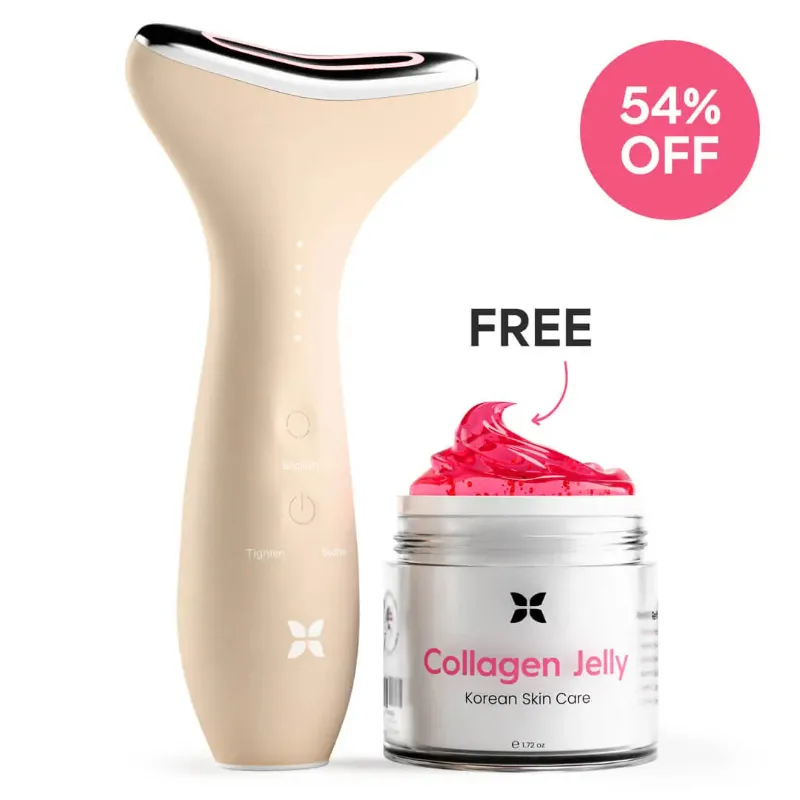
Check the latest pricing and our exclusive code to see how current offers stack up across models. We update deals weekly, and the 10% discount applies store-wide, including bundles that pair cupping devices with revo cosmetics or collagen jelly for skin recovery support.
What to Check Before You Click Buy
Review included accessories: does the kit come with a storage case, user manual, and enough cups for full-body use? Cheap sets often ship with only two or three cups, forcing you to buy extras immediately. Warranty length signals manufacturer confidence, so prioritize brands offering at least one year of coverage on the motor or pump mechanism.
Read real user feedback on suction consistency and durability, not just star ratings. Look for mentions of customer service responsiveness if parts fail, since replacement cups or charging cables aren't universal. Devices sold through established retailers like those listed on cupping therapy equipment suppliers often include better support than no-name marketplace sellers.
Compare your shortlist against verified roundups, such as expert reviews of cupping sets and machines, to see how your top pick ranks on performance and value. Cross-reference specs with your must-have features to avoid paying for extras you won't use or skipping essentials that matter.
Finally, confirm return policies before committing. A no-questions-asked 30-day window lets you test suction levels and comfort on your own body, which matters more than any spec sheet. The right revo cup or full system should feel intuitive within the first few sessions, not like a gadget you have to force yourself to use.
Frequently asked questions
How often should I use an electric cupping machine at home?
Most users benefit from 2 to 3 sessions per week on the same area, with at least 48 hours between treatments to allow skin and tissue recovery. Daily cupping on different body zones is safe if you rotate placement and avoid over-treating one spot.
Can beginners use a professional cupping machine safely?
Yes, as long as the device offers adjustable suction and a beginner or low-intensity mode. Start with the lowest setting for 3 to 5 minutes per area, and increase gradually as your skin adapts to the suction.
Do electric cupping devices leave bruises like traditional cupping?
They can, but adjustable suction control in electric models lets you minimize bruising by dialing down intensity. Circular marks (petechiae) are normal and typically fade within a few days, but deep purple bruising signals too much pressure or duration.
What's the difference between a cupping machine and a handheld massager?
A cupping machine uses vacuum suction to pull tissue upward, promoting blood flow and fascial release, while a handheld massager applies vibration or percussion to muscles. Cupping targets deeper connective tissue and stagnation, whereas massagers focus on surface-level relaxation and trigger points.
Are replacement cups for electric cupping machines universal?
No, cup sizes and attachment mechanisms vary by brand and model. Always buy replacement cups from the original manufacturer or confirm compatibility before ordering third-party options to ensure a proper seal.
Can I use a massage cupping machine on my face?
Only if the device includes small facial cups (usually 1 inch or less) and offers very low suction settings. Facial skin is thinner and more delicate, so use minimal pressure and shorter durations (1 to 2 minutes) to avoid bruising or broken capillaries.