
Revo Cupping vs. Cupping Revolution: Which System Suits Your Routine?

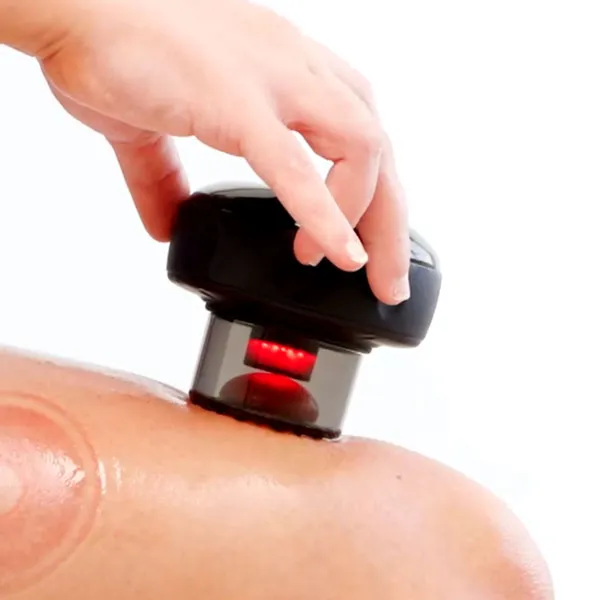
Revo Cupping vs. Cupping Revolution: Which System Suits Your Routine?
Revo cupping delivers automated electric suction with preset intensity modes, while Cupping Revolution offers manual pump-style control that mimics traditional glass cupping. Both systems target muscle tension and recovery, but the revo cupping device suits users who want set-and-forget convenience, and the cupping revolution appeals to those who prefer hands-on adjustment during each session. We tested both to show you which features, modes, and learning curves match different routines.
How Each System Creates Suction
The revo cupping relies on a rechargeable electric motor inside each cup. You press a button to cycle through three suction levels, and the device holds that pressure until you release it. No pumps, no hoses, just the cup against your skin. The cupping revolution pairs silicone or plastic cups with a hand pump. You squeeze the pump to pull air out of the cup, watch the skin dome, then lock the valve. Adjusting pressure mid-session means you disconnect the pump, release a little suction, and reconnect.
Key suction differences:
- Revo cupping maintains consistent negative pressure via motor feedback, so the pull stays steady even when you move.
- Cupping Revolution pressure slowly decreases as skin adapts or seals shift, requiring periodic re-pumping.
- Electric cups weigh more per unit but eliminate pump bulk; manual systems are lighter per cup yet need the pump accessory in your kit.
If you travel often or work in tight spaces, the single-piece electric design of a cupping device simplifies packing. Manual systems require you to keep track of pump, valve adapters, and multiple cups.
Modes, Intensity, and Session Length
Revo cupping instructions point to three numbered modes. Mode 1 delivers gentle suction for sensitive areas like the neck or inner arms. Mode 2 steps up to medium pull, the sweet spot for most users targeting quads, calves, or upper back. Mode 3 maxes out suction for dense tissue like glutes or IT bands. Each mode runs continuously until you power off, and sessions typically last five to ten minutes per zone. Some revo cupping reviews note that mode 2 feels strong enough for daily recovery without leaving heavy marks.
Cupping Revolution gives you analog control. Squeeze the pump two or three times for a light pull, six to eight for moderate, or ten-plus for deep tissue work. Because there are no electronic presets, you learn pressure by feel and by watching skin color. Sessions follow the same five- to ten-minute window, but you may pause to add or release air if discomfort builds.
Which system for how long?
- Beginners benefit from revo cupping mode 2 as a predictable starting point; you will not accidentally over-pump.
- Advanced users who vary pressure mid-session prefer the manual pump to fine-tune on the fly.
- Both systems recommend similar total session lengths, so duration is not a deciding factor.
For current pricing on either system, grab the code and compare the investment against your frequency of use.
Ease of Use and Learning Curve
Electric cupping machines simplify onboarding. Charge the cup via USB-C, apply a thin layer of oil or lotion, press the cup to your skin, tap the power button, and cycle to your chosen mode. Release is instant: press and hold the button, and suction drops in under a second. Cleanup means wiping silicone edges with soapy water.
Manual Cupping Revolution kits demand a bit more coordination. Attach the pump hose to the cup valve, position the cup, pump until you see the target skin dome, twist the valve to lock, then detach the hose and move to the next spot. Releasing requires you to crack the valve or peel the cup edge. First-timers often over-pump and create deep purple marks, though you adjust quickly after two or three sessions.
| Feature | Revo Cupping | Cupping Revolution |
|---|---|---|
| Power source | Rechargeable battery | Manual hand pump |
| Pressure control | 3 electronic modes | Analog (by pump count) |
| Setup time | Under 10 seconds per cup | 20–30 seconds per cup |
| Release speed | Instant button press | Manual valve or edge peel |
The Revomadic theracup and similar electric models also include LED indicators that show battery and mode status, reducing guesswork during sessions.
Portability and Maintenance
A revo cup weighs roughly 150 grams and measures about four inches tall, so two or three cups fit in a gym bag or carry-on. You will need a USB-C cable every few sessions; runtime averages three to four full-body sessions per charge. Silicone edges collect oil residue, so rinse and dry after each use to prevent bacterial buildup.
Cupping Revolution kits ship with four to six cups, a pump, spare valve rings, and sometimes a storage pouch. Total weight is similar, but the pump adds bulk. Plastic cups crack if you sit on your bag, and valve rings wear out after 20 to 30 sessions, though replacements cost only a few dollars. Cleaning is straightforward: warm soapy water and air-dry.
Durability notes:
- Electric motors in revo devices carry a one-year warranty; battery life degrades after 300 to 400 charge cycles.
- Manual pumps last indefinitely if you avoid kinking the hose; cups themselves are the consumable component.
If you plan to cup daily, budget for replacement silicone edges or cups every six months regardless of system. Check the latest price for bundles that include spare parts.
Who Each System Suits Best
Choose revo cupping if you:
- Want consistent, repeatable pressure without manual effort.
- Cup solo and need one-handed operation for hard-to-reach spots like your own upper back.
- Value speed and are willing to charge devices regularly.
- Prefer a modern aesthetic and app-free simplicity.
Choose Cupping Revolution if you:
- Already practice traditional cupping and want familiar tactile feedback.
- Work with clients or partners and can adjust cups on someone else.
- Prefer zero battery anxiety and indefinite pump lifespan.
- Operate on a tighter budget, since manual kits typically cost 30 to 40 percent less than electric equivalents.
Both systems pair well with recovery supplements like collagen jelly to support connective tissue repair, and neither replaces professional therapy for acute injuries. Many users on revo cupping Reddit threads run both systems, using electric cups for quick post-workout sessions and manual cups for deeper weekend treatments.
Comparing Price and Value
Electric cupping devices command a premium because of the motor, battery, and electronics. Entry-level single-cup kits start around mid-range pricing, while three-cup bundles push toward the upper tier. Manual Cupping Revolution sets land in the budget-friendly zone, though adding extra cup sizes or premium silicone upgrades narrows the gap.
Cost-per-session math:
- Revo cupping electricity cost is negligible (pennies per charge), but you will eventually replace the unit when the battery fades.
- Manual systems have near-zero operating cost; you replace only worn cups or valve parts.
For occasional users who cup once or twice a week, the manual system offers better long-term value. Daily users benefit from the time savings of electric automation, and the convenience often justifies the upfront expense. Either way, applying our store's current offer (grab the code here) brings both systems closer in initial outlay.
Final Recommendations
Revo cupping wins on convenience, consistency, and solo-use simplicity, making it ideal for busy athletes, remote workers with tight shoulders, or anyone who wants plug-and-play recovery. The copperred cupping massager and similar electric models eliminate guesswork and speed up your routine.
Cupping Revolution excels when you want fine-grained control, indefinite lifespan, and lower upfront cost. It suits practitioners, traditionalists, and users who already own manual therapy tools.
We keep both systems in our testing rotation. Electric cups handle daily maintenance and travel, while manual cups come out for deep weekend sessions when we have time to dial in pressure zone by zone. If you are still deciding, start with whichever matches your schedule and tolerance for charging cables, then add the other system later if your routine expands.
Frequently asked questions
How long should I leave revo cupping on each area?
Five to ten minutes per zone is standard. Start with five minutes in mode 1 or 2, then increase duration as your skin adapts over a few sessions.
Can I use Cupping Revolution without the pump?
No, the pump creates the vacuum. Silicone cups marketed for squeeze-to-suction work differently and will not achieve the same depth as pump-assisted models.
Does revo cupping mode 2 leave marks?
Mode 2 can leave light circular redness that fades in one to two days. Marks depend on session length, skin sensitivity, and how recently you cupped the same spot.
Which system works better for beginners?
Revo cupping is more beginner-friendly because preset modes prevent over-suction. Manual systems require practice to gauge safe pressure by feel.
How do I clean electric cupping devices?
Wipe the silicone rim with warm soapy water after each use, avoiding the motor housing. Let the cup air-dry completely before charging or storing.
Are replacement parts available for both systems?
Yes. Manual Cupping Revolution kits offer spare valve rings and cups. Revo electric devices may have replacement silicone edges, though full units are typically replaced after battery life ends.