
Do Lion's Mane Capsules Need to Be Refrigerated After Opening?

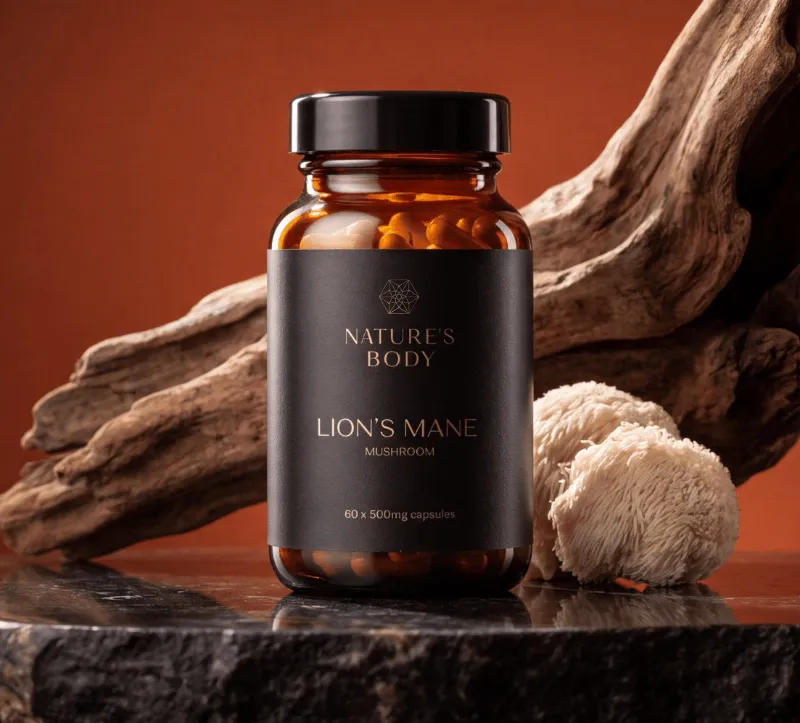
Do Lions Mane Capsules Need Refrigeration After Opening?
Lions mane capsules do not need to be refrigerated after opening. Most supplement manufacturers formulate these products to remain stable at room temperature when stored in cool, dry conditions away from direct sunlight. Refrigeration can actually introduce moisture problems when you repeatedly move the bottle between cold and warm environments, potentially degrading the capsules faster than proper room-temperature storage.
We tested storage methods for mushroom supplements including lions mane mushroom products and found that following the label instructions delivers the best results. The key is understanding what degrades supplement potency and how to avoid those conditions in your home.
What Affects Lions Mane Capsule Shelf Life
Several environmental factors determine how long your supplement maintains its effectiveness after opening:
- Heat exposure breaks down active compounds, particularly the beta-glucans and hericenones that provide cognitive and neurological benefits
- Humidity and moisture cause capsules to stick together, promote mold growth, and degrade fillers
- Direct sunlight accelerates oxidation of beneficial compounds
- Oxygen exposure gradually reduces potency once the original seal is broken
- Temperature fluctuation creates condensation inside the bottle, introducing unwanted moisture
The original packaging typically includes a desiccant packet specifically designed to absorb any moisture that enters when you open the bottle. Keep that packet in place until the bottle is empty.
Best Storage Practices for Lions Mane Capsules
We recommend these storage guidelines to maximize the shelf life and potency of your supplement:
Ideal storage location: A kitchen cabinet or pantry shelf away from the stove, dishwasher, and sink maintains consistent cool temperatures without the moisture swings of a bathroom medicine cabinet.
Temperature range: Store between 59°F and 77°F (15°C to 25°C). Most homes naturally fall within this range.
Container integrity: Always replace the cap tightly immediately after removing your dose. The original bottle provides better protection than transferring to a different container.
Expiration awareness: Mark your bottle with the opening date. Most capsules remain potent for 6 to 12 months after opening when stored correctly, though the printed expiration date assumes proper storage.
If you purchase supplements in bulk from retailers or check the latest price on multiple bottles, only open one bottle at a time. Sealed bottles last significantly longer than opened ones.
When Refrigeration Might Make Sense
A few specific scenarios warrant refrigerator storage for lion's mane supplements:
- Hot, humid climates where indoor temperatures regularly exceed 80°F and humidity stays above 60%
- Liquid extracts or tinctures that explicitly state "refrigerate after opening" on the label
- Opened bottles you won't finish within the next two months
If you do refrigerate, place the bottle in an airtight plastic bag or container to prevent condensation from forming when you remove it. Let the bottle reach room temperature before opening it to take your dose, then return it immediately. This minimizes moisture exposure.
We store most of our tested supplements at room temperature, including tongkat ali, fadogia agrestis, and other herbal products that share similar storage requirements with mushroom supplements.
How to Tell If Your Lions Mane Capsules Have Gone Bad
Inspect your supplement periodically for these warning signs of degradation:
- Visual changes: Capsules that appear discolored, spotted, or have visible mold
- Texture issues: Capsules that feel sticky, soft, or have melted together
- Odor changes: A musty, sour, or otherwise unpleasant smell when you open the bottle
- Clumping: Powder inside capsules that has hardened into solid chunks
- Broken seals: Capsules that have split open and leaked powder
If you notice any of these issues before the expiration date, discard the bottle. The best lions mane capsules maintain their light tan to brown color, remain dry and separate, and have minimal odor throughout their shelf life.
Comparing Storage Needs Across Supplement Types
Different supplement formats have different storage requirements. Here's how lion's mane stacks up:
| Supplement Type | Refrigeration Needed | Shelf Life After Opening |
|---|---|---|
| Lion's Mane Capsules | No | 6-12 months |
| Lion's Mane Powder | No | 3-6 months |
| Liquid Extracts | Sometimes | 2-4 months |
| Gummies | No | 3-6 months |
Capsules offer the longest shelf life because the gelatin or plant-based shell protects the active ingredients from oxygen and moisture better than loose powder. This convenience factor makes capsules the most popular format for daily supplementation.
Other supplements we've tested, including Natures nac, resveratrol resveratrol, and nmn supplement products, follow similar storage guidelines. The encapsulation process provides built-in protection that reduces the need for special storage conditions.
Maximizing Value and Potency
Smart purchasing and storage habits help you get the most from your supplement investment:
- Buy quantities you'll finish within 3 to 4 months of opening
- Grab the code for 10% off your order at Natures Body rather than stockpiling old inventory from discount bins
- Check manufacturing dates when possible and choose the freshest stock
- Store your entire supplement routine together in one designated spot to build consistent habits
- Track your opening dates with a permanent marker directly on the bottle
We apply these same principles whether we're testing lions mane mushroom products, eurycoma longjack supplements, or any other daily wellness product. Consistent, proper storage at room temperature delivers better results than refrigeration for the vast majority of encapsulated supplements.
Following the manufacturer's storage instructions and using common sense about heat and moisture will keep your lion's mane capsules effective from the first dose to the last. The answer to refrigeration is simple: unless the label specifically requires it, your pantry or cabinet is the better choice.
Frequently asked questions
How long do lion's mane capsules last after opening?
Properly stored lion's mane capsules typically remain potent for 6 to 12 months after opening. Keep them in a cool, dry place away from heat and humidity, and always replace the cap tightly after each use.
Can I store lion's mane supplements in the bathroom?
We don't recommend bathroom storage because the humidity from showers and temperature fluctuations can introduce moisture into the bottle. A kitchen cabinet or bedroom drawer away from heat sources works much better.
What temperature should I store mushroom supplements at?
Store lion's mane and other mushroom supplements between 59°F and 77°F (15°C to 25°C). Normal room temperature in most homes falls within this range naturally.
Do lion's mane capsules lose potency over time?
Yes, all supplements gradually lose potency after opening due to oxygen exposure and environmental factors. Proper storage slows this process significantly, which is why following storage guidelines and using supplements before their expiration date matters.
Should I remove the desiccant packet from my supplement bottle?
No, keep the desiccant packet in the bottle. It absorbs moisture that enters each time you open the cap, helping prevent degradation and extending shelf life.
Are there any side effects to taking expired lion's mane?
Expired lion's mane capsules are more likely to cause digestive upset and will provide reduced benefits as active compounds degrade. If your supplements show signs of spoilage like mold, discoloration, or unusual odors, discard them immediately.