
What Does NAC Supplement Do and Who Should Take It?

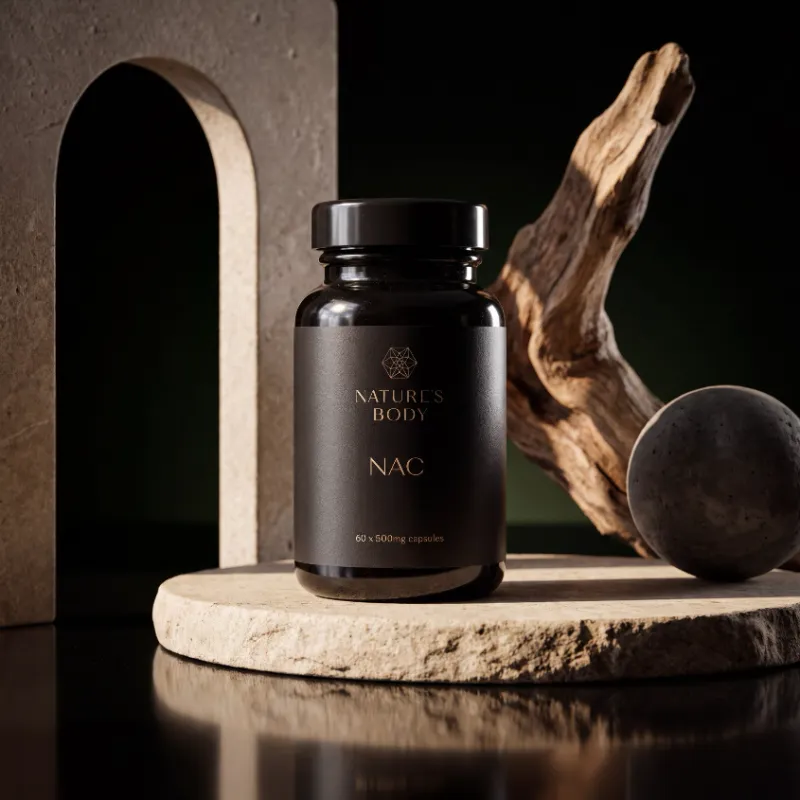
NAC (N-acetylcysteine) is an antioxidant supplement that replenishes glutathione, supports liver detoxification, and promotes respiratory health by thinning mucus. While often compared to an nmn supplement like Natures nmn, which focuses on cellular energy and NAD+ production, NAC works through a different pathway to protect cells from oxidative stress and aid the body's natural detox processes.
What NAC Supplement Does for Your Body
NAC serves as a precursor to glutathione, one of the most powerful antioxidants your body produces. When you take Natures nac, it converts into cysteine, which then combines with other amino acids to form glutathione inside your cells.
The supplement offers several distinct benefits:
- Liver support: Glutathione neutralizes toxins and helps the liver process medications, alcohol, and environmental pollutants
- Respiratory function: NAC breaks disulfide bonds in mucus, making it thinner and easier to clear from airways
- Antioxidant defense: Protects cells from free radical damage and oxidative stress
- Mental clarity: May support brain health by reducing inflammation and oxidative damage in neural tissue
Research shows NAC is particularly effective for liver protection, especially after acetaminophen overdose. The science behind cellular support demonstrates how antioxidants like NAC work alongside energy-boosting compounds to maintain overall cellular health.
How NAC Compares to NMN Supplement Options
Many shoppers wonder whether to choose NAC or an nmn supplement for their wellness routine. The two compounds work through different mechanisms and offer complementary benefits.
| Feature | NAC | NMN Supplement |
|---|---|---|
| Primary function | Boosts glutathione for antioxidant protection | Increases NAD+ for cellular energy |
| Best for | Liver health, respiratory issues, detox | Energy, metabolism, anti-aging |
| Typical dose | 600-1,800 mg daily | 250-500 mg daily |
NAC excels at immediate antioxidant support and detoxification, while nmn nicotinamide focuses on long-term cellular energy and metabolic health. Some users combine both supplements, though we recommend checking the latest pricing and consulting a healthcare provider before stacking multiple supplements.
For those exploring the best nmn supplement options alongside NAC, understand that NMN benefits tend toward energy and longevity pathways, whereas NAC provides more immediate protective effects.
Who Should Take NAC Supplement
NAC suits specific health goals and conditions better than general wellness supplementation. Consider NAC if you fall into these categories:
Respiratory support seekers: People with chronic bronchitis, COPD, or frequent respiratory infections benefit from NAC's mucolytic properties. It helps clear airways and may reduce the frequency of respiratory flare-ups.
Liver health advocates: Anyone concerned about liver function, whether from medication use, alcohol consumption, or environmental toxin exposure, can use NAC to support the organ's natural detoxification processes.
Mental wellness focus: Emerging research suggests NAC may help with obsessive-compulsive behaviors, addiction recovery, and mood regulation through its effects on glutamate and dopamine systems.
Athletes and active individuals: NAC may reduce exercise-induced oxidative stress and support recovery, though effects are more subtle than those from performance supplements like tongkat ali or fadogia agrestis.
Unlike supplements such as lions mane mushroom for cognitive support or resveratrol resveratrol for cardiovascular health, NAC targets specific antioxidant and detox pathways rather than broad wellness.
NMN Supplement Benefits vs NAC Effects
While this guide focuses on NAC, understanding nmn supplement benefits helps clarify which option fits your goals. NMN primarily increases NAD+ levels, which decline with age and affect cellular energy production, DNA repair, and metabolic function.
Key differences in their effects:
- Energy levels: NMN shows stronger evidence for boosting physical energy and endurance compared to NAC's more protective role
- Aging concerns: NMN targets cellular aging mechanisms directly, while NAC protects against oxidative damage that accumulates with age
- Immediate vs long-term: NAC offers quicker antioxidant effects; NMN requires consistent use to build NAD+ levels over weeks
For Australian shoppers seeking an nmn supplement australia option alongside NAC, many wellness routines include both for their complementary mechanisms. Grab the code to save on either supplement when you're ready to try them.
Dosage, Safety and Potential Side Effects
NAC is generally well-tolerated at standard doses, though some considerations apply:
Typical dosing: Most research uses 600 mg to 1,800 mg daily, divided into two or three doses. Start with 600 mg to assess tolerance before increasing.
Common side effects: Nausea, vomiting, diarrhea, and a sulfur-like smell or taste may occur, especially at higher doses. Taking NAC with food reduces digestive discomfort.
Safety concerns: NAC is safe for most people when used appropriately. Those with asthma should use caution, as it may trigger bronchospasm in rare cases. People taking nitroglycerin or blood thinners should consult their doctor before starting NAC.
Is nmn supplement safe: Similar safety questions apply to NMN. Current research suggests both are safe at recommended doses, though long-term human studies remain limited for NMN compared to NAC's decades of clinical use.
Unlike some herbal supplements such as eurycoma longjack or longjack tongkat, which may interact with hormones, NAC's interactions primarily involve medications metabolized by the liver.
Stacking NAC with Other Supplements
NAC works well alongside several complementary supplements for comprehensive wellness support:
- With NMN: Combines antioxidant protection with cellular energy support for well-rounded anti-aging benefits
- With vitamin C: Enhances glutathione recycling and overall antioxidant capacity
- With selenium: Supports glutathione peroxidase enzyme function
- With B vitamins: Complements methylation and detox pathways
Avoid taking NAC at the same time as activated charcoal, which may reduce absorption. Space doses at least two hours apart if using both.
We test supplement combinations regularly, and pairing NAC with cellular support compounds shows promise for comprehensive health maintenance. Whether you choose NAC alone or combine it with options like check current deals, consistency matters more than complex stacking protocols for most people.
The choice between NAC and other wellness supplements depends on your specific health priorities. NAC shines for targeted antioxidant and detox support, while compounds like NMN address different aspects of cellular health and longevity.
Frequently asked questions
What is the main difference between NAC and NMN supplements?
NAC boosts glutathione for antioxidant protection and liver detox, while NMN increases NAD+ levels for cellular energy and metabolic function. They work through different pathways and can complement each other in a wellness routine.
Can I take NAC supplement every day?
Yes, NAC is safe for daily use at doses of 600 to 1,800 mg. Most people tolerate it well when taken with food, though some may experience mild digestive discomfort or a sulfur-like taste.
Who should avoid taking NAC?
People with asthma should use caution as NAC may rarely trigger bronchospasm. Those taking nitroglycerin, blood thinners, or other medications metabolized by the liver should consult their doctor before starting NAC.
Does NAC help with respiratory issues?
Yes, NAC thins mucus by breaking disulfide bonds, making it easier to clear from airways. It's particularly helpful for chronic bronchitis, COPD, and frequent respiratory infections.
Can I stack NAC with an NMN supplement?
Yes, many people combine NAC with NMN for complementary benefits. NAC provides antioxidant protection while NMN supports cellular energy, creating a well-rounded approach to wellness and healthy aging.
How long does it take for NAC to work?
NAC increases glutathione levels within hours of taking it, though optimal benefits for liver health and respiratory function typically develop over several weeks of consistent use.