

How long cold compress gloves actually keep their chill
Cold compress gloves usually hold a usable chill for about 15 to 30 minutes, and the honest answer is that the exact number depends on the gel fill, how cold your freezer runs, and whether the outside of the glove is dry when it comes out. What you can control is everything around those three things: how you freeze them, how you wear them, and how you care for them between sessions. Get those right and the same pair of cold compress gloves will feel noticeably colder for longer.
What decides how long your cold compress gloves stay cold
Before you blame the gloves, look at the setup. Four things drive cold duration more than anything else.
- Gel volume and thickness. Gloves with a fuller, thicker gel layer hold cold longer than thin, lightweight wraps, but they also take longer to freeze solid.
- Freezer temperature and airflow. A glove wedged against a frozen pizza freezes slower and thaws faster than one lying flat on an open shelf.
- Surface moisture. Water on the outside of the glove conducts warmth straight into the gel. A dry glove always feels colder.
- Insulation and movement. Wearing a thin cotton liner, or wrapping a small towel over the glove, slows heat transfer from your hand. Gripping and flexing hard warms the gel faster than resting your hand.
Ice glove vs. cold compress gloves: what freezes better?
Both work; they solve slightly different problems. A dedicated ice glove tends to sit tighter against the hand and is easy to swap between freezer and skin, while a full gel glove covers the whole hand and wrist in one go.
| Option | Best for | Freeze habit |
|---|---|---|
| Cold compress gloves | Whole hand, fingers, wrist after swelling or strain | Lay flat, dry, single layer |
| Ice glove | Quick single-joint or hand cooling | Keep a spare frozen |
| Theraice knee sleeve | Knee and surrounding joint | Freeze flat, check knee sleeve sizing first |
Using cold on a joint as well as the hand? Sort out knee sleeve sizing before you buy, because a loose sleeve will not stay where the cold needs to be.
How to freeze cold compress gloves so they come out colder
- Dry them completely. Pat the outside with a towel after washing or after the last session.
- Lay them flat, palm down, one on top of the other only if the freezer has room. Stacking three or four thick gloves means only the outer ones get properly cold.
- Give them open space on a shelf rather than the door, which swings open and shut and never gets as cold.
- Bag them. A zip freezer bag keeps frost off and stops the gel picking up food smells.
- Freeze two pairs if you use them daily. One in use, one resting. Medical supply stores call this rotation; your hands call it a good idea.
- Let them rest the full freeze time. A partially frozen glove gives you a short, lukewarm session.
Where you buy matters less than what you buy, but price does move around. If you are comparing options, check the latest price on the store page before you commit.
Cold therapy safety: how long to leave them on
Longer is not colder. Most clinicians suggest roughly 10 to 15 minutes per session for hands, with a break of at least an hour before repeating. Keep these rules in mind:
- Check your skin every few minutes, especially around the knuckles and fingertips.
- Never apply a straight-from-the-freezer glove to bare skin if it feels painful or starts to sting. A thin liner or a dry towel layer fixes that.
- Do not fall asleep with a glove on. Numbness can creep in without you noticing.
- Skip cold therapy on broken skin, on areas with poor circulation, or if you have a condition your doctor has told you to avoid cold for. Ask a clinician before regular use.
- Stop if the skin goes white, waxy, or blotchy and let the area warm up slowly.
If your clinician wants you doing something between cold sessions, the mlife okta therapy device is the store's option worth a look, though it is a different tool with a different job.
Product care instructions that keep gloves cold longer
The gel pack inside a glove degrades quietly. These habits keep it working.
- Hand wash the outside in cool water with a little mild soap, then rinse and pat dry. Do not machine wash unless the label says so.
- Never wring or twist the glove. That stresses the seams and the internal cells.
- Air dry flat, away from radiators and direct sun. Heat is what kills gel packs.
- Check the seams and the finger tips every few weeks for leaks or stiff spots.
- Store flat in a freezer bag so the glove does not freeze into a bent shape.
Replacement is the other half of the equation. A glove that no longer gets firm in the freezer, or one with a stiff, grainy fill, is done.
Packing cold therapy for travel and short trips
Cold therapy does not stop because you are away from home, but hotel minibars and shared kitchen freezers are unpredictable. A few practical moves:
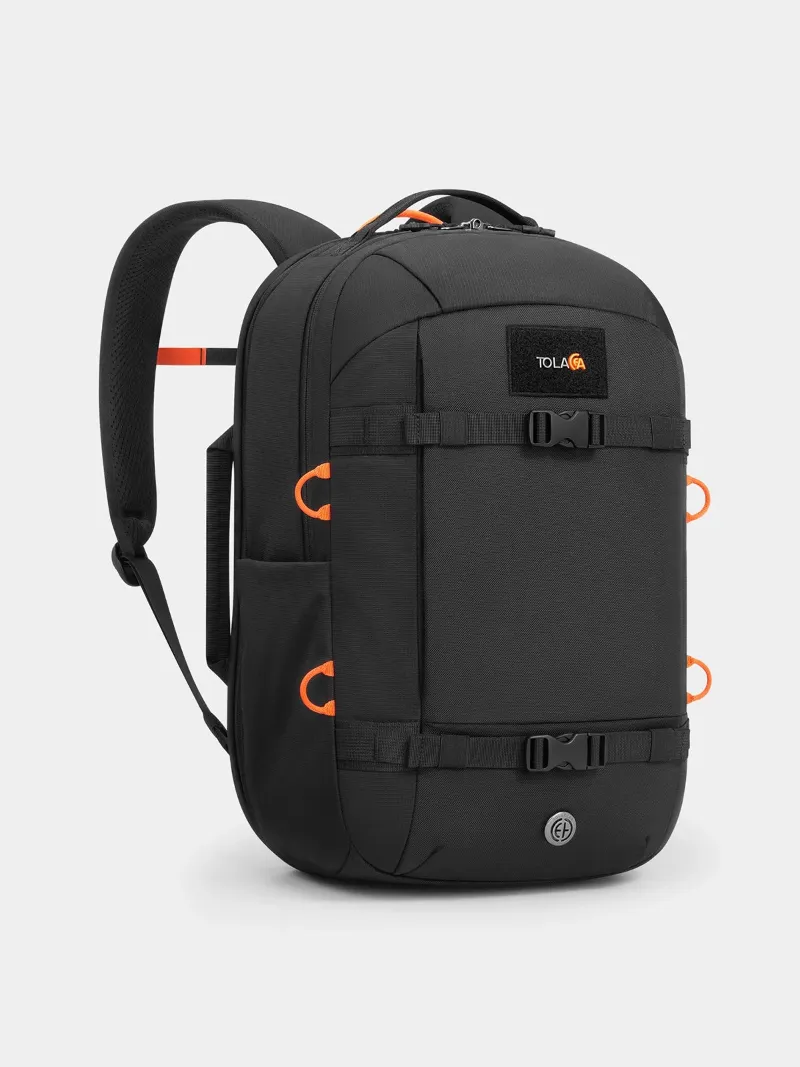
- Pack gloves flat at the top of a tolaccea travel backpack so they do not get crushed under shoes or a laptop.
- Use a zip bag for anything still cold, and keep it away from clothing.
- Check travel backpack features like a separate shoe compartment or a padded laptop sleeve if you carry both gear and work kit; the top loader backpack suits short trips where you want one main compartment.
- Not sure it will fit? Our backpack size guide walks through capacity against trip length.
Ordering before a trip? Check shipping and delivery times first, and keep your confirmation email handy in case you need order tracking help. Payment options and returns and exchanges are all covered on the store side too, so there are no surprises if the fit is wrong.
Who cold compress gloves suit best
They are a good fit if you want repeatable, hands-free cooling for a whole hand rather than balancing an ice pack. They suit post-activity swelling, warm-weather recovery, and anyone whose hands run hot at night. They are a poor fit if you need a single small cold spot, if your clinician has told you to avoid cold, or if you want a one-off pack rather than something you will freeze twice a day.
Keep a spare pair frozen, dry them properly, do not leave them on past the point of comfort, and add a liner when the cold bites. That routine does more for duration than any upgrade. If you are ready to buy, look for working discount codes before checkout so you are not paying full price on the first order.
 Shopping at Tolaccea? See today's verified Tolaccea discount code
Frequently asked questions
How long should I leave cold compress gloves on my hands?
Most clinicians suggest around 10 to 15 minutes per session, then at least an hour of rest before repeating. Check your skin every few minutes and stop early if it stings or goes numb.
Can I put cold compress gloves in the freezer wet?
Pat them dry first. Surface water freezes into a layer of frost that makes the glove feel colder for a minute and then warms up faster, and it can rough up the outer fabric.
How do I make cold compress gloves stay cold longer?
Freeze them flat and dry on an open shelf, keep them in a zip bag, wear a thin liner, and rotate two pairs so one is always fully frozen. Gripping and flexing hard also warms the gel faster, so rest the hand when you can.
Is an ice glove the same as a cold compress glove?
Not quite. An ice glove tends to be a tighter, single-hand cooling glove, while a full cold compress glove wraps the hand and wrist with a broader gel layer. Both freeze and apply the same way.
Do you have a discount code for cold therapy gear?
Yes, the store currently runs 20% off all orders. Grab the code on the Tolaccea discount page before checkout, and check it against shipping and delivery times if you need the item quickly.
How should I clean cold compress gloves?
Hand wash the outside in cool water with mild soap, rinse, and air dry flat away from heat. Do not wring them or put them in a tumble dryer, and check the seams for leaks every few weeks.