

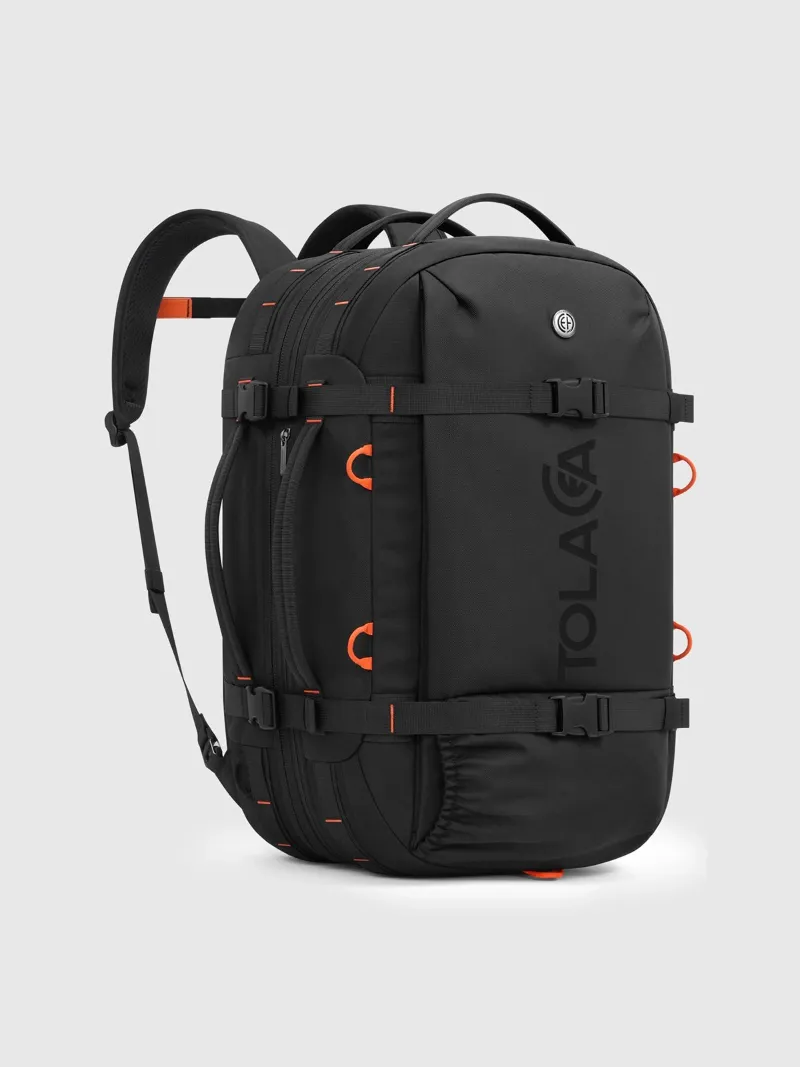
A top loader backpack rewards strategic, layered packing — and with the right approach, you can carry a full weekend's worth of gear without forcing the zipper or wrecking your back. The key is understanding how the design works, then building your load from the bottom up.
What Makes a Top Loader Backpack Different
Unlike panel-loading packs that unzip like a suitcase, a top loader opens only from the top. Everything goes in and comes out in a fixed order, which means the packing sequence matters more than it does with other styles.
- Bottom zone: Heaviest, least-needed items (sleeping bag, bulky layers)
- Mid zone: Medium-weight gear packed tight against your spine
- Top zone: Frequently accessed items (rain jacket, snacks, day essentials)
- Brain/lid pocket: Valuables, documents, anything you grab every hour
This vertical stack keeps the center of gravity close to your back, which is one reason serious travelers keep coming back to this format. The tolaccea travel backpack is built around exactly this principle, with organized interior zones and external attachment points that make the system even easier to follow.
Backpack Size Guide: Choosing the Right Volume Before You Pack
Overstuffing usually starts before a single item goes in — it starts with the wrong size bag. Here is a quick reference for weekend trips:
| Trip Length | Recommended Volume | Typical Use |
|---|---|---|
| 1 night | 20 to 30 L | Ultralight, carry-on only |
| 2 to 3 nights | 30 to 45 L | Standard weekend |
| 3 to 4 nights | 45 to 60 L | Gear-heavy or cold weather |
For most two to three night trips, a 35 to 45 L pack hits the sweet spot. Going bigger than you need almost always leads to overpacking — the extra space gets filled whether you plan to or not.
How to Pack a Top Loader Backpack Step by Step
Follow this sequence every time and you will never need to unpack and start over at the trailhead.
- Compress first. Use packing cubes or stuff sacks to compress clothing before anything goes in. This single step cuts wasted air space dramatically.
- Bottom layer: sleep and insulation. A compressed sleeping bag or puffy jacket goes in first. It acts as a cushion and you will not need it until camp.
- Mid layer: heavy and dense items. Food, water filter, full bottles, and any hard gear sit here, centered and close to your spine.
- Upper mid layer: clothing and soft items. Folded or rolled clothes fill the gaps around the heavier gear.
- Top layer: immediate-access items. Rain jacket, headlamp, first aid kit, and snacks — anything you might need on the trail without stopping to unpack.
- Lid pocket: essentials. Phone, keys, wallet, lip balm, and trail permits live here.
- External attachment: overflow only. Trekking poles, a wet tent, or a foam pad can clip or strap to the outside. Keep this minimal.
Travel Backpack Features Worth Prioritizing
Not all top loaders are created equal. When evaluating travel backpack features, look for:
- Hipbelt with pockets for snacks and your phone on the go
- Sternum strap to keep the shoulder straps from sliding
- Multiple external lash points for wet gear
- A floating lid that expands slightly when you need a bit more room
- Padded back panel with airflow channels to cut down on sweat on longer carries
Packing Light: What to Leave Behind
The easiest way to avoid overstuffing is a strict leave-behind list.
- Duplicate items (two of anything is usually one too many)
- Full-size toiletries (travel sizes or solid formats only)
- "Just in case" clothing beyond one spare set
- Heavy books or bulky entertainment devices
- Gear you have never used on a previous similar trip
A simple rule: lay everything out, then put half of it back. Most experienced travelers find they use about 60 percent of what they originally planned to bring.
Product Care Instructions: Keeping Your Pack in Good Shape
A quality pack lasts years with basic maintenance.
- After each trip: Empty all pockets, shake out debris, and wipe the interior with a damp cloth.
- Spot cleaning: Use mild soap and a soft brush on stained areas. Avoid machine washing unless the manufacturer explicitly allows it.
- Zippers: Rub a zipper lubricant or beeswax along the teeth every few months to keep them running smoothly and prevent splits.
- Storage: Store loosely, not compressed, in a cool dry place. Stuffing it back into a stuff sack long-term can degrade the foam in the shoulder straps.
You can check the latest price and grab a working discount code before you buy — Tolaccea currently has 20% off across the store, which applies to the travel backpack as well as other products in the lineup.
What Else Tolaccea Sells Worth Knowing About
Tolaccea is not purely a bag brand. If you are heading out for a physically active weekend, a few of their recovery and therapy products are worth pairing with your trip prep.
The theraice knee sleeve is a popular option for hikers dealing with knee discomfort on descents. It provides compression and can be chilled for cold therapy after a long day on trail. For hand recovery, the cold compress gloves and ice glove offer targeted cold therapy that is straightforward to use at camp or when you get home. And the mlife okta is a versatile therapy device worth looking at if recovery is a regular part of your routine.
None of these are packing essentials, but if recovery is part of your weekend plan, knowing the brand carries both gear and therapy products in one place simplifies your shopping. See all current offers and discount codes before checkout.
Who This Packing System Works Best For
This layered, bottom-up approach suits:
- Weekend hikers and backpackers carrying variable loads across two to four nights
- Minimalist travelers who want one bag that works as both a checked bag alternative and a daypack
- Frequent flyers who need a carry-on that stays organized across multiple legs
- Athletes and active travelers who might also pack recovery tools alongside clothing
If you tend to pack impulsively or have struggled with overstuffed bags before, the structure a top loader backpack forces on you is genuinely helpful. The design makes random piling impossible and encourages the kind of deliberate layering that keeps your load manageable from day one.
 Shopping at Tolaccea? See today's verified Tolaccea discount code
Frequently asked questions
What is the best way to pack a top loader backpack without overstuffing it?
Pack in deliberate layers from bottom to top — heaviest and least-needed items at the bottom, frequently accessed gear at the top. Using packing cubes or compression stuff sacks before anything goes in eliminates the most common source of wasted space.
What size top loader backpack do I need for a weekend trip?
For most two to three night trips, a 35 to 45 L pack is the right range. Going larger than you need almost always leads to overpacking, since the extra space tends to get filled automatically.
Does the Tolaccea travel backpack work as a carry-on?
Many travelers use it as a carry-on alternative, but airline size limits vary by carrier. Check the product page for exact dimensions and compare them against your airline's current carry-on policy before you fly.
Is there a working discount code for Tolaccea products?
Yes — Tolaccea currently offers 20% off all orders. You can find the active code and verify it is still live on our Tolaccea discount code page before checkout.
Can I machine wash my Tolaccea backpack?
Spot cleaning with mild soap and a soft brush is the safest approach for most packs. Check the care label on your specific bag before machine washing, as agitation and heat can damage foam padding and coatings.
What Tolaccea products pair well with an active weekend trip?
If you plan on hiking or high-output activity, the theraice knee sleeve and cold compress gloves are worth considering for post-activity recovery. Both can be chilled for cold therapy and pack down small enough to bring along.