
How Long Do Rockbros Gel Bike Seat Covers Last? Care Tips to Extend Their Life

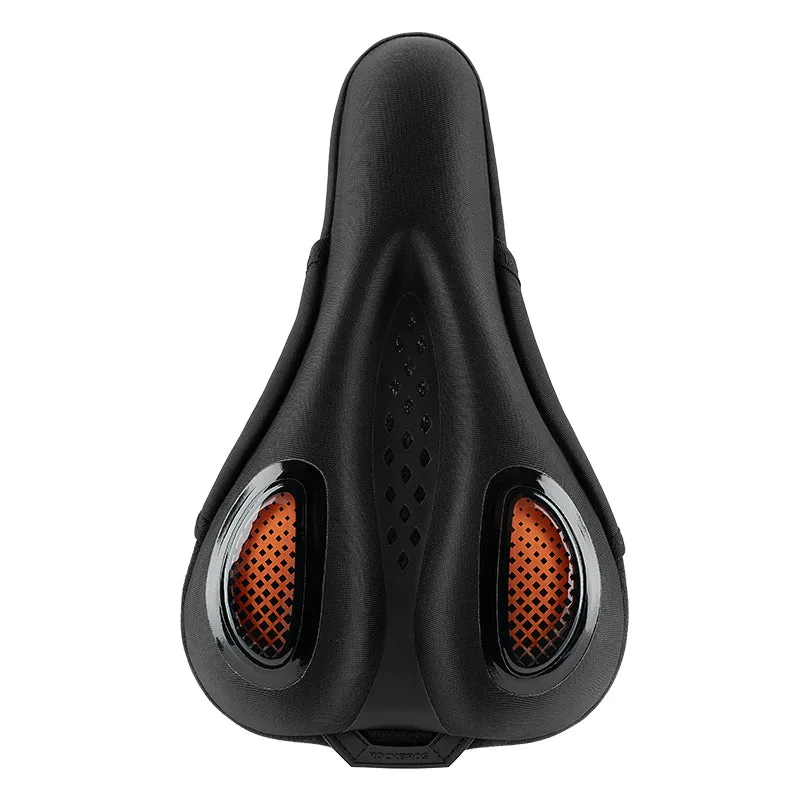
A well-looked-after rockbros gel bike seat cover typically lasts one to three years of regular riding, with daily commuters on the shorter end of that range and fair-weather riders getting noticeably more. The gel itself does not really wear out in a way you can see; what fails first is the cover fabric, the seams, and the fit over time. The good news: with a few simple habits you can push a cheap cover well past its usual lifespan, and we will show you exactly how.
We have tested seat covers on folding bikes, hybrids, and commuters for years, and most premature failures come from three things: sun exposure, friction from a loose fit, and cleaning with the wrong products. Fix those and the cover outlasts the saddle in many cases.
What Actually Wears Out on a Rockbros Gel Bike Seat Cover
A rockbros gel bike seat cover is a simple construction: a gel or foam padding layer wrapped in stretch fabric, usually Lycra or a similar knit, with a drawstring or elastic hem. Each layer ages differently.
- Gel layer: gel softens and can migrate toward one side if the bike is stored leaning or the cover is compressed constantly. This takes the longest to happen and is rarely the first failure.
- Fabric top: the stretch knit thins where your sit bones press, especially on rough cloth shorts or jeans. Rivets on cycling bibs are far kinder to it.
- Seams and hem: the elastic hem loses tension from repeated stretching, which causes the loose-fit slide problem that accelerates everything else.
- Base: water pooled on the saddle plus a damp cover can slowly break down adhesives and foam layers underneath.
ROCKBROS designs these covers to be breathable and ergonomic, and the brand's product listings describe exactly that construction, as you can see in this ROCKBROS saddle cover example. Breathability matters here: a cover that traps moisture ages faster, so the airflow features are not just comfort, they are longevity.
Care Tips That Genuinely Extend the Life
These are the habits that made the biggest difference on our own test covers:
- Keep it out of the sun when parked. UV is the number one killer of stretch fabrics. If you leave the bike outside, a cheap saddle bag thrown over the seat or storing the bike indoors pays for itself in cover lifespan. If you commute on a folder like the mbs 20-inch folding bike, fold and store it inside and the cover lasts far longer.
- Fit it tight. Pull the hem fully under the saddle nose and tail so the cover cannot slide. A cover that shifts under you grinds the fabric against the saddle every pedal stroke.
- Wipe sweat off after wet rides. Salt from sweat is quietly corrosive to fabric and stitching. A damp cloth wipe takes ten seconds.
- Dry it before storing. Never leave a wet cover on the saddle overnight. Moisture trapped against the saddle base degrades both the cover and the saddle.
- Rotate the cover occasionally if you notice one side compressing, especially if you always park the bike the same way.
How to Clean It Without Ruining the Gel
Cleaning is where most people accidentally destroy a good cover. Gel padding does not tolerate heat, solvents, or aggressive wringing.
- Hand wash only, in lukewarm water with a small amount of mild detergent.
- Never machine wash or tumble dry. The drum will crush the gel and heat will deform it.
- Do not use bleach, alcohol-based cleaners, or stain removers; they break down the fabric's stretch fibers.
- Squeeze water out gently with a towel, do not wring it like a rag.
- Air dry flat or over the saddle, away from radiators and direct sun.
If the cover is badly muddy, rinse it first under a gentle tap rather than scrubbing dry grit through the knit. A patch of dried mud scrubbed hard will thin the fabric in that spot permanently.
Gel Cover vs Other Seat Comfort Options: How Long Each Lasts
If you are weighing whether a gel cover is the right choice at all, here is how the common options compare on lifespan and comfort. For reference on current pricing, check the latest price before you buy, since a cover is cheap enough that replacing one every couple of years is not a big deal.
| Option | Typical lifespan | Comfort | Notes |
|---|---|---|---|
| Gel seat cover | 1-3 years with care | Good for casual and upright riding | Removable, works on any saddle, affordable |
| Foam seat cover | 6 months-2 years | Moderate, flattens sooner | Lighter but compresses faster than gel |
| Built-in gel saddle | 3-5+ years | Excellent | More expensive, fixed to the bike |
| Quality saddle + padded shorts | Years for the saddle | Best for long rides | Least versatile, needs specific clothing |
The cover wins on flexibility. You can move it between bikes, take it off for faster rides, and share it between a family bike and a folder like the acs 16-inch folding bike without buying anything extra.
When to Replace It Rather Than Repair It
Small issues can be fixed, but some are signs the cover is done:
- The hem elastic no longer grips, so the cover slides even when pulled tight.
- The gel has visibly migrated, leaving hard and lumpy spots you can feel through the fabric.
- The top fabric is worn through or the seams are splitting.
- The cover holds water or takes on a permanent smell after cleaning.
At that point, replacing is smarter than patching, since covers are inexpensive. Pair the new cover with other comfort and utility upgrades at the same time if you are re-outfitting a bike: a rockbros saddle bag for spares, or a rockbros hw-117 bike phone mount if you navigate from the handlebars. And before ordering, grab the code to apply the current sitewide discount.
Quick Lifespan Checklist
- Store the bike indoors or cover the saddle when parked outside.
- Hand wash lukewarm, air dry flat, never machine wash.
- Keep the fit tight so the cover never slides.
- Wipe sweat off after hot or wet rides.
- Replace when the hem loosens or the gel goes lumpy, not when the fabric merely looks faded.
Follow these and your rockbros gel bike seat cover will comfortably outlast the one-to-three-year baseline, keeping the ride soft without touching your actual saddle.
Frequently asked questions
How long does a rockbros gel bike seat cover last?
With regular care, expect roughly one to three years of riding. Daily commuters and bikes stored outdoors fall at the shorter end, while indoor-stored bikes with light use can exceed that.
Can I machine wash a gel bike seat cover?
No. Machine washing crushes the gel padding and heat damages the fabric. Hand wash in lukewarm water with mild detergent and air dry flat.
Why is my gel seat cover sliding around on the saddle?
The elastic hem usually loses tension, which lets the cover slide and accelerates fabric wear. UV damage to the top fabric and sweat salt degrading the stitching are also common culprits.
Can I use a gel seat cover on any bike saddle?
Yes, if the saddle's shape is broadly similar. The stretch fabric and drawstring hem adapt to most standard saddles, though very wide or heavily contoured saddles may fit loosely.
Is a gel seat cover worth it on a folding bike?
Yes. A quality cover works on any saddle, so it moves easily between a folding bike, a commuter, and a family bike. It is one of the most versatile comfort upgrades you can buy.
How do I know when to replace my seat cover?
Sliding from a loose fit, split seams, lumpy gel, or a stretched-out hem. Fading alone is cosmetic and does not affect comfort or protection.