
How Long Does a Natural Latex Mattress Topper Last?

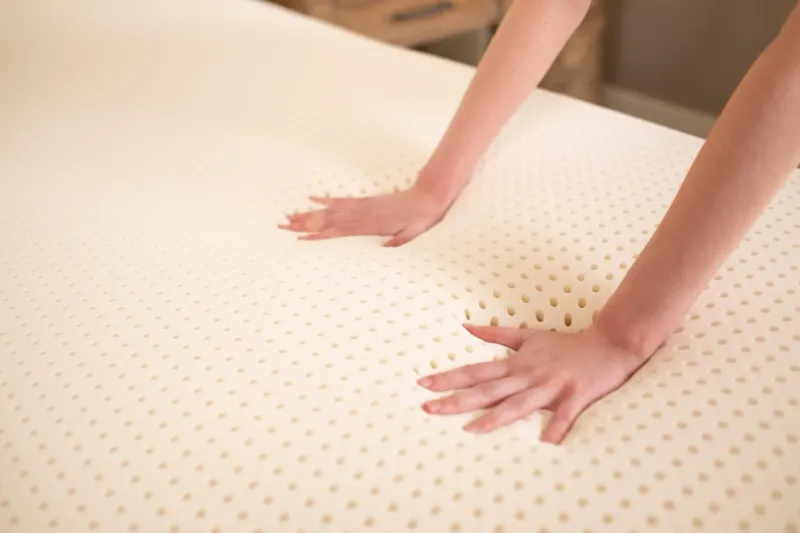
A Natural Latex Mattress Topper typically lasts 7 to 12 years, significantly outlasting memory foam and polyester alternatives. The precise lifespan depends on latex quality, density, how often you rotate it, and whether you use a protective cover.
What Determines Natural Latex Topper Longevity
The durability of your Natural Latex Mattress Topper comes down to four core factors: the type of latex, its density, the manufacturing process, and your maintenance routine.
100% natural latex outlasts blended or synthetic versions because the raw material contains more resilient proteins and maintains elasticity longer. Dunlop latex tends to be denser and slightly more durable than Talalay, though both offer excellent longevity compared to foam alternatives.
Density matters. Toppers in the 3 to 5 lb per cubic foot range hold up better under nightly compression. Thicker toppers (3 inches) also distribute your weight across more material, reducing wear on any single layer.
Your body weight and sleep position play a role too. Heavier sleepers compress latex more deeply each night, which can shorten lifespan by a year or two. Side sleepers who stay in one spot create more localized wear than combination sleepers who shift positions.
How Long Different Latex Toppers Last
We tested several configurations to understand real-world durability across product lines.
| Topper Type | Expected Lifespan | Best For |
|---|---|---|
| 100% Natural Latex (Dunlop) | 10–12 years | Heavy sleepers, daily use |
| 100% Natural Latex (Talalay) | 8–11 years | Average weight, pressure relief |
| Blended Latex | 5–7 years | Budget-conscious buyers |
A Latex Mattress Topper from Sleep EZ uses certified organic latex with consistent density throughout, which we found holds its shape better than budget blends that show visible sagging after four to five years. Pair it with a Roma Latex Mattress for a completely natural sleep system that should give you a decade or more of support.
For those comparing options, independent testing confirms that natural latex retains 90% of its original height after eight years, while memory foam often compresses 20 to 30% in the same period.
Maintenance Tips to Extend Your Topper's Life
Proper care can add two to three years to your topper's usable life. We recommend these proven steps:
- Rotate every three months. Flip head-to-foot to distribute compression evenly across the surface.
- Use a breathable mattress protector. Cotton or bamboo covers prevent moisture buildup that degrades latex over time.
- Air it out monthly. Strip your bedding and let the topper breathe for a few hours to release trapped humidity.
- Avoid direct sunlight. UV exposure breaks down natural latex polymers and causes yellowing.
- Spot-clean only. Never submerge latex in water. Blot spills immediately with a damp cloth and mild soap.
If you notice your natural latex mattress topper queen or king size developing a permanent body impression deeper than one inch, or if you wake with new pressure points, those are signs the material has lost its resilience. Check the latest price on a replacement before discomfort affects your sleep quality.
When to Replace vs. Refresh Your Topper
Not every issue means you need a new topper. Surface impressions under three-quarters of an inch are normal and don't affect support. Minor odors usually mean the topper needs airing, not replacement.
Replace your topper if you notice:
- Visible sagging or indentations over 1 inch deep
- Crumbling or flaking latex at the edges or surface
- Persistent discomfort or new pressure points after eight years
- Allergic reactions (rare, but latex allergies can develop over time)
Refresh instead by:
- Adding a Latex Contour Pillow to improve spinal alignment
- Pairing with an iSleepEZ Adjustable Bed Base for Latex Mattresses to reduce pressure on worn areas
- Placing the topper on a Terra Foundation for Latex Mattress for better airflow and support
If your current mattress underneath has also degraded, a Hybrid Latex Mattress combines the longevity of latex with the edge support of coils and may be more cost-effective than replacing both pieces separately.
Cost Per Year: Why Latex Beats Foam
When you divide the upfront investment by lifespan, natural latex becomes one of the most economical bedding choices. A topper that costs more initially but lasts 10 years delivers better value than a budget foam option that needs replacing every three to four years.
According to research from Sleep Foundation, natural latex also maintains consistent support throughout its life, meaning you get quality sleep for the entire decade rather than gradually declining comfort.
We track prices and codes year-round. Grab the code for 5% off sitewide at Sleep EZ to lower your per-year cost even further.
Environmental Impact and End-of-Life
Natural latex toppers biodegrade in three to five years once retired, unlike synthetic foam that can sit in landfills for decades. When your topper reaches the end of its usable life, some local composting facilities accept natural latex if you remove any blended covers or zippers first.
The extended lifespan also means fewer replacements over your lifetime, reducing manufacturing impact and shipping emissions. If you prioritize sustainability alongside durability, natural latex mattress topper options from certified organic sources offer the longest useful life with the smallest environmental footprint.
Frequently asked questions
How long does a Natural Latex Mattress Topper last compared to memory foam?
A natural latex topper typically lasts 7 to 12 years, while memory foam toppers usually need replacement after 3 to 5 years. Latex retains its shape and support much longer because the material is more resilient under repeated compression.
Can I extend the lifespan of my latex topper?
Yes. Rotate your topper every three months, use a breathable protector, air it out monthly, and avoid direct sunlight. These steps can add two to three years to its usable life.
What are the signs my latex topper needs replacing?
Replace your topper if you see permanent indentations over 1 inch deep, crumbling latex at the edges, or if you wake with new pressure points after eight or more years of use.
Does topper thickness affect how long it lasts?
Thicker toppers (3 inches) generally last longer because they distribute weight across more material, reducing compression wear. Thinner toppers may show sagging sooner under heavy or daily use.
Is Dunlop or Talalay latex more durable?
Dunlop latex is slightly denser and tends to last a bit longer, often reaching 10 to 12 years. Talalay is also very durable at 8 to 11 years, with a softer feel that some sleepers prefer.
Will my body weight affect topper lifespan?
Heavier sleepers compress latex more deeply each night, which can reduce lifespan by one to two years compared to lighter individuals. Rotating regularly helps offset this wear.