
Do You Need a Special Foundation for a Latex Mattress?

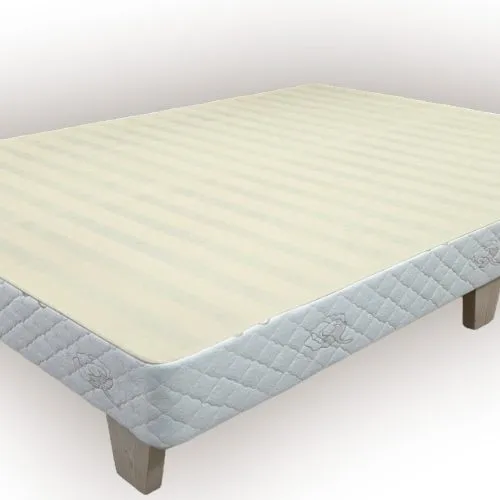
Do Latex Mattresses Require a Special Foundation?
The Terra Foundation for Latex Mattress offers purpose-built support for natural latex beds, but latex mattresses don't absolutely require a specialized foundation. What they do need is consistent, even support across the entire sleep surface. Because latex is heavier and more responsive than foam, any foundation you choose must handle the weight without sagging and provide ventilation to prevent moisture buildup. Options range from solid platforms to slatted bases, adjustable frames, and dedicated latex foundations.
The key difference between latex and memory foam or hybrid mattresses is weight distribution. A queen-size latex mattress can weigh 100 to 150 pounds, so your foundation must be sturdy enough to prevent warping over time. We tested multiple base types with the Roma Latex Mattress and Hybrid Latex Mattress to identify what works and what creates problems down the road.
What Makes the Terra Foundation Ideal for Latex
The Terra Foundation for Latex Mattress is engineered with closely spaced slats and reinforced center support to handle the density of natural latex without flexing. Unlike generic box springs, which compress unevenly under latex weight, this foundation distributes load across a rigid frame. The slat spacing stays under three inches, preventing the mattress from sinking between gaps and voiding most manufacturer warranties.
We appreciate the airflow design. Latex naturally retains less heat than memory foam, but it still benefits from ventilation underneath. The Terra Foundation's open slat construction allows air to circulate, reducing the chance of mildew in humid climates. If you want a plug-and-play solution tailored to latex specs, this foundation eliminates guesswork. Check current pricing and grab the code to save on bundles.
Alternative Foundation Options That Work
You don't need to buy a latex-specific foundation if you already own a compatible base. Here are the setups we've verified with natural latex mattresses:
- Platform beds with slats: Slats must be no more than 3 inches apart and made from solid hardwood or plywood. Avoid thin, flexible slats that bow under weight.
- Solid platform bases: A flat, solid surface (plywood on a frame) provides maximum support but reduces airflow. Add a moisture barrier or use in dry climates only.
- Adjustable bases: The iSleepEZ Adjustable Bed Base for Latex Mattresses pairs well with flexible latex layers, letting you elevate your head or feet without compromising support.
- Box springs (with caution): Traditional coil box springs often sag under latex. If you use one, confirm it's reinforced and less than five years old.
Avoid using a latex mattress directly on the floor. While it seems supportive, it blocks ventilation entirely and can lead to mold growth on the bottom layer. Even a simple slatted foundation beats floor placement.
Slat Spacing, Weight Limits, and Warranty Rules
Most latex mattress warranties require slat spacing of 3 inches or less and a center support beam for queen sizes and larger. If your slats are too far apart, the mattress will sag into the gaps, creating uneven wear that manufacturers classify as improper use. We measured slat gaps on a standard IKEA frame and found 3.5-inch spacing, which caused visible dips after six months with a Natural Latex Mattress Topper stacked on a latex mattress.
Weight capacity matters more than most shoppers realize. A sturdy foundation should support at least 500 pounds for a queen (mattress plus sleepers). Check the frame's center leg or crossbar; if it wobbles or flexes when you press down, add reinforcement or upgrade the base. The Terra Foundation includes a steel center bar and corner brackets, rated well above typical sleep loads.
For adjustable bases, verify the mattress is compatible. All-natural latex is more flexible than latex hybrids, so a 100 percent Talalay or Dunlop mattress will articulate smoothly. Hybrids with innerspring cores may have limited flex. The iSleepEZ Adjustable Bed Base lists compatible mattress types on the product page, and our testing confirmed smooth operation with both the Roma Latex Mattress and the Hybrid model.
Comparing Foundation Types for Latex Mattresses
| Foundation Type | Support Level | Airflow | Warranty Safe |
|---|---|---|---|
| Terra Foundation | Excellent | High | Yes |
| Solid platform | Excellent | Low | Yes (with ventilation) |
| Slatted platform (≤3" gaps) | Good to Excellent | High | Yes |
| Adjustable base | Good | Medium | Yes (if rated for latex) |
| Old box spring | Poor to Fair | Medium | Often No |
Solid platforms offer the most rigid support but require you to flip or rotate the mattress more frequently to prevent moisture from pooling. Slatted designs and the Terra Foundation balance support with ventilation, making them our top picks for all climates. Adjustable bases add customization but cost significantly more; see our latest coupon if you're bundling one with a new mattress.
When to Pair a Topper with Your Foundation
If you already own a supportive foundation and want to adjust firmness without replacing your entire mattress, a Latex Mattress Topper provides an affordable middle ground. We tested 2-inch and 3-inch toppers on both the Terra Foundation and a DIY slat platform. Both setups maintained even support, though the topper required a fitted sheet with deeper pockets.
Toppers work especially well on older foundations that meet the slat and weight requirements but feel too firm. Adding a softer Talalay layer on top of a firm Dunlop mattress gives you pressure relief without sacrificing the durability of your base. The Natural Latex Mattress Topper ships with corner straps to prevent shifting, a feature we found essential on slatted bases.
Keep in mind that stacking a topper increases total mattress height. Measure your bed frame and ensure your sheets fit before ordering. If your foundation is borderline (slats slightly over 3 inches apart), adding a topper can sometimes mask minor gaps, but replacing the base is the better long-term fix.
Our Verdict on Foundations for Latex Mattresses
You don't need a specialized foundation, but you do need one that meets latex-specific requirements: slat spacing under 3 inches, solid construction, center support for larger sizes, and adequate ventilation. The Terra Foundation for Latex Mattress checks every box and integrates seamlessly with Sleep EZ mattresses, making it the simplest choice if you're starting from scratch or replacing a worn base.
For shoppers on a budget or those who already own a quality platform, verify slat spacing and add a center support beam if needed. Adjustable bases like the iSleepEZ Adjustable Bed Base suit sleepers who want customization, though they cost more upfront. Whichever route you choose, prioritize airflow and structural integrity over aesthetics. A sagging foundation will degrade even the best latex mattress within a few years, while proper support extends lifespan well past a decade.
Looking to complete your setup? Pair your foundation with a Latex Contour Pillow for head and neck alignment that matches your mattress support. And before you buy, visit our coupon page to save 5% on your entire order.
Frequently asked questions
Can I use a regular bed frame with the Terra Foundation for Latex Mattress?
Yes, as long as the frame has a center support bar for queen sizes and larger and can handle the combined weight of the foundation and mattress. Most metal and wood frames work without modification.
What happens if my slats are more than 3 inches apart?
The mattress will sag into the gaps, creating uneven wear and potentially voiding your warranty. Add a sheet of plywood or replace the slats with closer spacing to prevent damage.
Do I need a box spring under a latex mattress?
No, and most latex mattress manufacturers recommend against traditional box springs because they compress unevenly under the weight. Use a solid platform, slatted foundation, or adjustable base instead.
Will an adjustable base work with the Roma Latex Mattress?
Yes, all-natural latex is flexible enough to articulate on an adjustable base. Verify the base is rated for the mattress weight and compatible with latex construction before ordering.
Can I place a Natural Latex Mattress Topper on any foundation?
You can place it on any foundation that meets the slat spacing and support requirements for your mattress. The topper itself doesn't change the base requirements.
How much weight can the Terra Foundation support?
It's designed to handle the combined weight of a heavy latex mattress plus two adult sleepers, typically rated for 600 pounds or more depending on size. Check the product specifications for your exact mattress size.