
Makita Snow Thrower Troubleshooting: Won't Start or Throw Snow

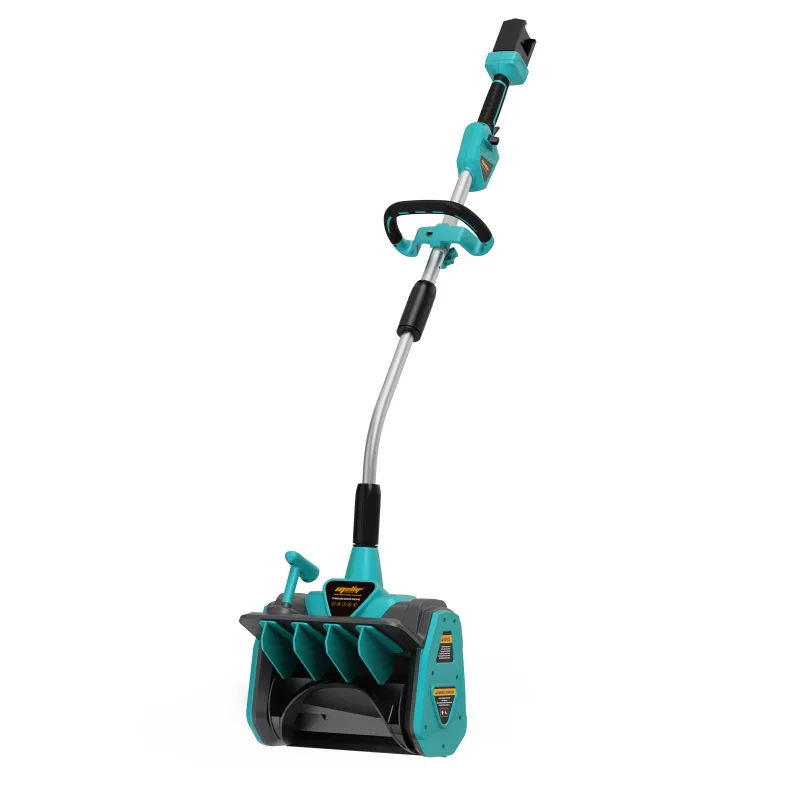
When your makita snow thrower won't start or fails to throw snow, the fix usually comes down to battery charge, auger obstructions, or attachment alignment. We've tested cordless outdoor tools through multiple winters, and most no-start or poor-performance issues stem from a handful of preventable causes. This guide walks you through the checks and fixes that get your machine back to clearing driveways fast.
Why Your Makita Snow Thrower Won't Start
Battery issues account for most no-start problems with the makita snow thrower cordless models. The 40-volt platform requires fully charged batteries, and cold temperatures drain lithium-ion cells faster than summer use. Pull the battery, confirm the charge indicator shows full, and warm it indoors for 10 minutes if it's been sitting in sub-freezing storage. A battery that reads full but delivers no power may have tripped its internal protection circuit; try a different battery to rule out cell failure.
Attachment fit comes next. The Makita snow thrower attachment uses a couple-shaft system that requires proper alignment and a firm click when locked. If the motor runs but the auger doesn't spin, the coupler isn't seated. Disconnect the attachment, clean both the power head and attachment shaft ends, then reconnect until you hear a solid engagement. Dirt or ice in the coupler housing prevents full contact.
Safety interlocks also prevent operation. The trigger and lock-off button must be pressed simultaneously, and some users miss the lock-off step. Check that no debris blocks the trigger mechanism and that your grip fully depresses both controls.
Clearing Auger Jams and Snow Blockages
Packed snow and ice inside the chute or auger housing stop material from ejecting even when the motor runs. Power off the unit, remove the battery, and use a broom handle or the included cleaning tool to break up compacted snow. Never use your hands; residual battery charge or accidental trigger contact can restart the auger.
Wet, heavy snow causes the most frequent jams. The 12-inch clearing width on most Makita models handles light to moderate snowfall, but slushy or packed snow exceeds the auger's capacity. Clear jams after every few passes when dealing with wet conditions, and reduce your forward speed to let the auger process material fully before it compacts.
Ice buildup on the chute deflector restricts airflow and causes throw distance to drop. Spray the chute interior with silicone lubricant or cooking spray before each session to minimize sticking. This simple step keeps snow flowing and prevents the machine from bogging down mid-pass.
Troubleshooting Poor Throw Distance and Weak Performance
Weak throw or snow dribbling out the chute points to auger wear or incorrect chute angle. Inspect the rubber auger paddles for cracking, chunks missing, or excessive wear. Worn paddles lose their ability to grip and propel snow; replacement paddles are available through Makita service centers. The auger should spin freely by hand when the battery is removed. If it drags or catches, ice or debris is binding the shaft.
Chute deflector angle affects throw distance significantly. Adjust it steeper for shorter, higher throws or flatter for maximum distance. In practice, a 45-degree angle balances distance and control for most driveways. If adjustment doesn't help, check for cracks in the chute or deflector that leak air pressure and reduce velocity.
Battery voltage sag under load is common with older or cold cells. The motor may run but lack the torque to move heavy snow. Swap in a fresh battery and compare performance. If the problem disappears, the original battery needs replacement. For current pricing on replacement batteries and accessories, check the latest inventory at Mellif Tools.
Maintenance Steps to Prevent Future Issues
After each use, clear all snow from the housing, auger, and chute before storing. Residual moisture freezes overnight and binds moving parts by morning. Run the unit for 30 seconds after clearing your last pass to expel remaining snow, then wipe down the exterior.
Store batteries indoors at room temperature. Lithium-ion cells lose capacity when kept in freezing garages or sheds, and repeated cold exposure permanently degrades performance. Keeping batteries between 40°F and 80°F extends their cycle life and ensures full power when you need it.
Inspect the auger shaft coupler monthly during snow season. Look for wear, cracks, or play in the connection. Tighten the locking collar if it's loose, and replace the coupler if you see damage. A worn coupler can slip under load, mimicking a jam even when the chute is clear.
Lubricate the chute rotation mechanism and height adjustment knobs with silicone spray. These pivot points freeze easily, and frozen controls force you to stop mid-session. A quick spray every few weeks keeps adjustments smooth.
Comparing Cordless Snow Removal Options
For users evaluating alternatives or supplemental tools, here's how cordless snow equipment stacks up for different scenarios:
| Tool | Best For | Clearing Width |
|---|---|---|
| Makita Snow Thrower | Driveways, moderate snow | 12 inches |
| Milwaukee Snow Shovel | Sidewalks, light accumulation | 12 inches |
| Manual shovel | Spot clearing, backup | Varies |
The Makita excels in consistent depth up to 8 inches, while a milwaukee snow shovel works better for quick touch-ups or tight spaces like steps. Neither replaces a gas thrower for heavy, frequent snowfall, but both eliminate the maintenance and starting hassles of gas engines.
If you're already invested in the Milwaukee M18 platform, the snow shovel shares batteries with tools like the milwaukee tiller and milwaukee hot glue gun, reducing your total battery inventory. Makita users benefit from the same cross-compatibility with their 40-volt lawn tools. We run both systems and find the Makita throws slightly farther, while the Milwaukee unit weighs less for extended use.
When to Use Your Discount Code
Parts, batteries, and accessories add up quickly. Grab the code at Mellif Tools for 10% off sitewide, including replacement auger paddles, extra batteries, and cold-weather storage solutions. The discount applies to all the cordless outdoor tools we've linked in this guide, from the battery powered tiller to the cordless dethatcher.
Retailers like Acme Tools and SiteOne carry the Makita snow thrower attachment and related gear, but affiliate pricing through our links ensures you're getting tracked discounts. We verify current inventory and pricing weekly, so the links stay accurate as stock fluctuates.
Quick Checklist for No-Start or Weak Performance
Run through this list before calling service:
- Battery charge: Confirm full charge, warm cold batteries indoors
- Attachment coupling: Disconnect and reseat until it clicks firmly
- Safety interlocks: Depress both trigger and lock-off simultaneously
- Auger clear: Remove battery, check for ice or debris binding the auger
- Chute angle: Adjust deflector for optimal throw distance
- Paddle wear: Inspect rubber paddles for damage or excessive wear
- Lubrication: Spray chute interior and pivot points with silicone
Most issues resolve with one of these steps. If the motor still won't engage after checking everything, the internal motor brushes or control board may need service. Makita's warranty covers defects, so contact their support with your serial number before attempting internal repairs.
For users managing larger properties with multiple cordless tools, the same troubleshooting logic applies to equipment like the dewalt tiller and dewalt cultivator. Battery health, attachment fit, and regular cleaning prevent 90% of field failures across all brands.
Frequently asked questions
Why won't my Makita snow thrower start even with a full battery?
Check that the attachment coupler is fully seated and clicks into place, and confirm you're pressing both the trigger and lock-off button simultaneously. Cold batteries may also read full but lack sufficient voltage under load; warm the battery indoors for 10 minutes and retry.
How do I clear a jam in the auger without damaging it?
Always remove the battery first, then use a broom handle or the included cleaning tool to dislodge packed snow from the chute and auger housing. Never use your hands, as residual charge or accidental trigger contact can restart the auger.
What causes weak throw distance on a cordless snow thrower?
Worn rubber auger paddles, ice buildup in the chute, or low battery voltage reduce throw performance. Inspect the paddles for damage, spray the chute with silicone lubricant, and swap in a fully charged battery to isolate the cause.
Can I use the Makita snow thrower on heavy wet snow?
The 12-inch auger handles light to moderate snow best. Wet, heavy snow requires slower forward speed and frequent jam clearing. For persistent heavy snowfall, a gas thrower or wider electric model will perform better.
How should I store my cordless snow thrower between storms?
Clear all snow from the housing and chute, run the unit for 30 seconds to expel moisture, then store the machine in a dry location. Keep batteries indoors at room temperature to preserve capacity and prevent cold-weather degradation.
Where can I find replacement auger paddles and batteries?
Makita service centers and retailers like SiteOne carry OEM parts. Use the discount code at Mellif Tools for 10% off batteries, paddles, and accessories across the full cordless tool lineup.