
Maternity Scrubs Buying Guide: Comfort and Fit Through All Trimesters

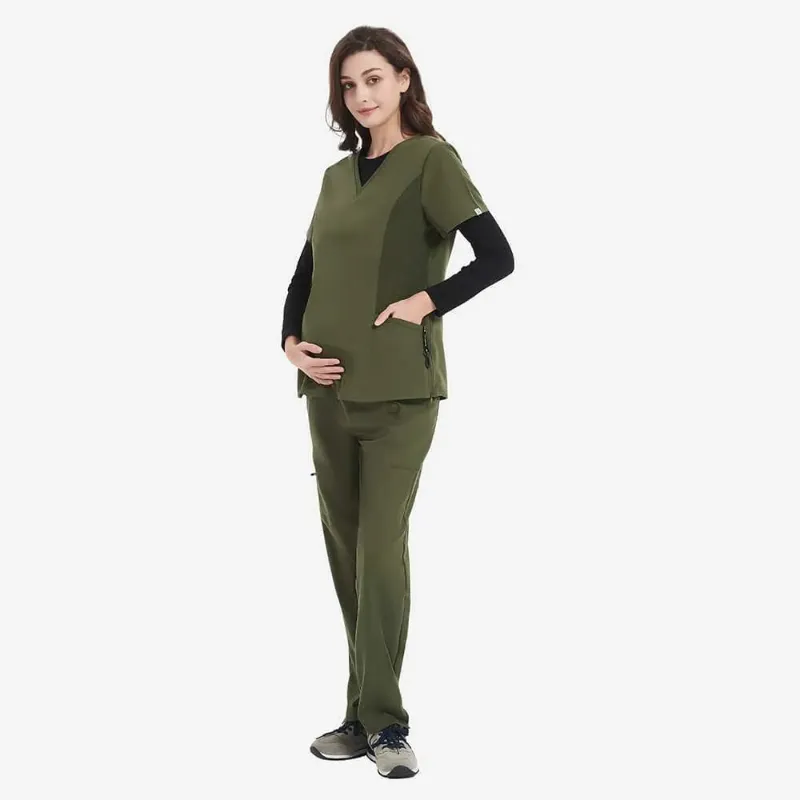
Why a Maternity Scrubs Uniform Matters During Pregnancy
A well-designed maternity scrubs uniform provides the stretch, adjustability, and room you need as your body changes through each trimester. Standard ladies scrub uniforms often dig into your waist or ride up by the second trimester, while proper maternity cuts offer side panels, under-belly waistbands, and stretchable fabrics that move with you. Investing in maternity scrub uniforms means you stay comfortable during 12-hour shifts without constant tugging or pinching, and you maintain a polished, professional appearance alongside your colleagues.
We tested fit, fabric, and adjustability across dozens of hours in clinical and hospital settings to help you choose the right uniform for every stage of pregnancy. This guide covers what to look for in cut and construction, which fabrics work best, sizing through trimesters, and how to care for your scrubs so they last until your due date and beyond.
Key Features in Maternity Scrub Design
Maternity scrubs differ from standard clothing medical scrubs in a few critical areas that directly impact your comfort and mobility.
- Under-belly or over-belly waistbands – Under-belly styles sit below your bump with a wide elastic band that won't compress your abdomen; over-belly panels provide gentle support and warmth in cooler environments.
- Side stretch panels – Knit or spandex inserts at the hips and belly give you room to grow without sizing up every few weeks.
- Adjustable drawstrings – A functional drawstring or tie lets you cinch the waist in early pregnancy and loosen it as you expand, extending the wearable range of each pair.
- Longer tops – Maternity tops are cut longer in the front to prevent ride-up when you bend or reach, maintaining coverage over your bump throughout the shift.
- Roomy pockets – Pregnancy can reduce your range of motion, so deep, accessible pockets for scissors, pens, and your phone become even more important.
Maternity scrub uniforms combine these features to support your changing silhouette without sacrificing the durability you expect from professional workwear. Many maternity lines also match the color palettes of standard uniforms—black scrubs, caribbean blue scrubs, and hunter green scrubs—so you can coordinate with your team dress code.
Best Fabrics for All-Day Comfort
Fabric choice makes or breaks comfort during pregnancy. You need materials that breathe, stretch, and recover their shape after every wash.
| Fabric Blend | Benefits | Best For |
|---|---|---|
| Polyester-spandex (95/5 or 92/8) | Four-way stretch, wrinkle-resistant, quick-dry | High-movement roles, long shifts |
| Cotton-poly-spandex (50/45/5) | Soft hand feel, breathable, moderate stretch | Sensitive skin, warmer climates |
| Rayon-spandex (95/5) | Lightweight drape, excellent stretch, moisture-wicking | All-day wear, hot environments |
We recommend premium medical scrubs with at least 5 percent spandex content. Pure cotton feels soft but loses its shape quickly and takes longer to dry, which matters when you need to wash uniforms frequently. Polyester-dominant blends offer the best balance of stretch, recovery, and stain resistance, and they hold up through dozens of wash cycles without pilling or fading.
Many healthcare workers pair maternity tops with a scrub jacket for layering in air-conditioned hospitals. Look for jackets with princess seams or a relaxed fit that won't pull across your chest or shoulders as your body changes.
Sizing Through Each Trimester
Most maternity scrub lines use your pre-pregnancy size as the starting point, then rely on stretch panels and adjustable waistbands to accommodate growth. Here's how sizing typically evolves.
First trimester – You can often wear your regular nurses uniform or standard scrubs with the drawstring loosened. If you experience early bloating or sensitivity, switching to maternity cuts now prevents discomfort later.
Second trimester – This is when most clinicians make the switch. Your bump becomes prominent, and standard waistbands start to dig in. Order maternity scrubs in your usual size; the side panels and under-belly band will expand with you through week 28 and beyond.
Third trimester – Stick with the same size. Quality maternity scrubs are engineered to fit from roughly 12 weeks through delivery. If you're carrying multiples or have a larger frame, some brands offer plus-size maternity cuts with extended panel widths.
Check the latest price and fit charts on the store page before ordering. Many maternity scrub uniforms include detailed measurements for belly panel width and inseam length, which help you compare across brands. According to Uniform Advantage, maternity scrubs should feel snug but not restrictive at the time of purchase, with room to grow over the following weeks.
Comparing Maternity Styles: Tops and Bottoms
Maternity scrub tops and pants come in a few distinct silhouettes, each suited to different preferences and work environments.
Tops
- Empire-waist tops – Seam sits just under the bust, with a flowing A-line cut below. Offers maximum coverage and a feminine silhouette, though some clinicians find the extra fabric gets in the way during procedures.
- Side-panel tunics – Stretch knit panels run from armpit to hem on each side. These fit closer to the body and work well under lab coats or uniforms lab coat styles.
- Wrap or mock-wrap tops – Adjustable tie or faux-wrap styling at the side or back. Easy to let out as you grow, and many styles transition to postpartum wear.
Bottoms
- Under-belly pants – Elastic waistband sits low on the hips, below the bump. Most comfortable in warmer months and for clinicians who dislike compression on the abdomen.
- Full-panel pants – Stretchy knit panel extends from waistband to above the navel, providing gentle support. Preferred in cooler climates and for those who want a smoother silhouette under tunics.
- Cargo vs. straight-leg – Cargo pockets add utility but can bulk up the leg line; straight-leg cuts offer a sleeker profile and work well with medical doctor scrubs dress codes that lean more formal.
If your facility allows mix-and-match colors, pairing black scrubs bottoms with a colored top gives you flexibility and helps extend your wardrobe between washes.
Care and Maintenance Tips
Pregnancy hormones and increased body temperature often mean more frequent laundering. Follow these steps to keep your maternity scrubs uniform looking professional and performing well.
- Wash in cold water – Hot water breaks down spandex fibers over time, reducing stretch and recovery. Cold water preserves elasticity and prevents color fade.
- Skip fabric softener – Softener coats synthetic fibers and reduces moisture-wicking performance. Use a gentle detergent designed for activewear or technical fabrics instead.
- Tumble dry low or hang-dry – High heat shrinks cotton blends and weakens elastic waistbands. Low heat or air-drying extends the life of stretch panels and adjustable features.
- Pre-treat stains immediately – Blood, iodine, and medication stains set quickly. Rinse or blot with cold water on break, then treat with enzyme-based stain remover before washing.
- Rotate multiple pairs – Wearing the same scrubs every shift accelerates wear on stretch panels. Rotating three or four sets reduces stress on seams and elastic, so each pair lasts longer.
Grab the code to stock up on multiple sets. Having a full week's rotation means you can wash on a regular schedule without the stress of same-day laundry during a busy week.
Who Benefits Most From Maternity Scrubs
While any pregnant healthcare worker can wear maternity scrubs, certain roles and situations make them especially valuable.
- Nurses, CNAs, and surgical techs – Long shifts with frequent bending, lifting, and patient transfers demand maximum mobility and a secure, non-restrictive waistband.
- Sonographers and radiology techs – Reaching and stretching during imaging procedures puts stress on seams and waistbands; maternity cuts reduce pulling and maintain coverage.
- Medical assistants and phlebotomists – You're on your feet moving between exam rooms and lab areas all day. Maternity scrubs with moisture-wicking fabric keep you cool and comfortable.
- Clinicians in teaching hospitals – Maintaining a professional appearance during rounds and case presentations is easier when your uniform fits properly and doesn't require constant adjustment.
- Second and third pregnancies – If you already know how your body changes, investing in maternity scrubs early in the second trimester prevents the discomfort and wardrobe gaps you experienced the first time.
Maternity scrubs also transition well to postpartum wear, especially in the first few months as your body recovers. The adjustable waistbands and forgiving cuts mean you won't need to buy another wardrobe immediately after delivery, which saves both time and budget.
Browse maternity scrub uniforms and coordinate with standard uniform colors to build a cohesive, comfortable work wardrobe that supports you through every stage of pregnancy and beyond.
Frequently asked questions
When should I switch to a maternity scrubs uniform?
Most healthcare workers switch between 12 and 20 weeks, when standard waistbands start to feel tight or dig in. If you experience early bloating or sensitivity, moving to maternity cuts in the first trimester can prevent discomfort later.
Can I wear maternity scrubs after delivery?
Yes. The adjustable waistbands and stretch panels in maternity scrubs work well during postpartum recovery, typically for the first three to six months as your body transitions back. Many clinicians continue wearing them until they feel comfortable in standard uniforms again.
Do maternity scrub tops work with regular scrub pants?
Maternity tops pair well with regular pants in early pregnancy, but by the second trimester most people need maternity bottoms for a comfortable fit. Mixing a maternity top with standard pants can create a gap or cause the waistband to sit uncomfortably low.
What's the difference between under-belly and full-panel maternity pants?
Under-belly pants have an elastic band that sits below your bump, offering less compression and better airflow. Full-panel pants include a stretchy knit panel that covers the abdomen, providing gentle support and a smoother silhouette under tops.
How many maternity scrub sets do I need?
We recommend at least three to four full sets so you can rotate through the week without daily laundry. This reduces wear on stretch panels and gives you backup options if a set is in the wash or needs stain treatment.
Are maternity scrubs available in standard uniform colors?
Yes. Most maternity lines offer black, navy, ceil blue, caribbean blue, hunter green, and other common healthcare uniform colors so you can match your facility's dress code while staying comfortable.