
Matte Top Coat vs Regular Top Coat: Which Finish Lasts Longer on Gel Nails?

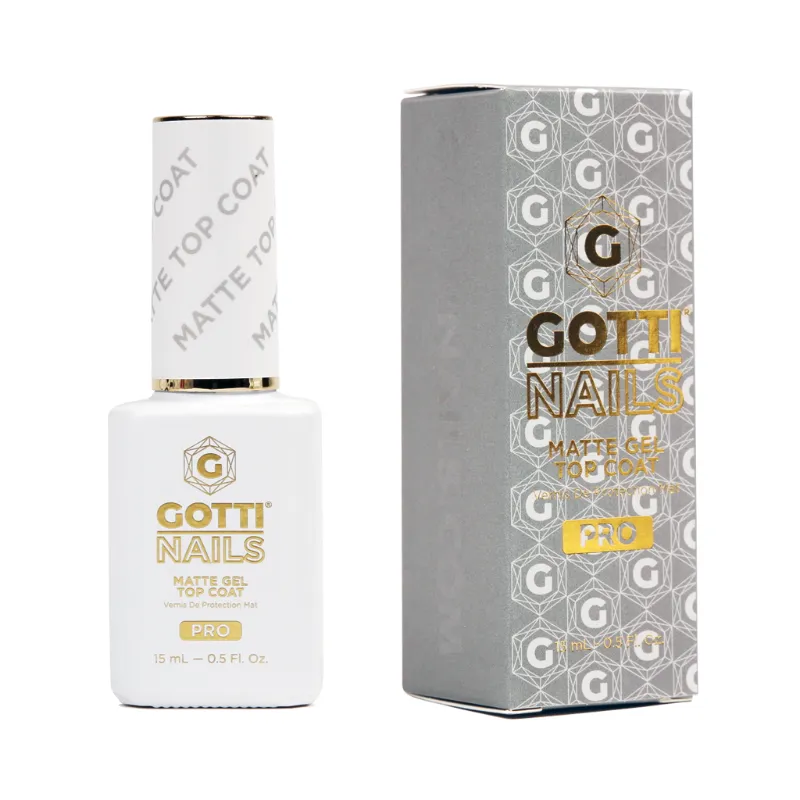
A matte top coat for nails creates a soft, velvety finish that turns heads, while a regular glossy top coat delivers the classic wet-look shine most gel systems are known for. Both protect your gel manicure from chips and wear, but they behave differently when it comes to longevity, texture, and how they showcase color underneath. We tested both finishes across multiple gel systems to show you exactly what to expect from each.
Whether you're sealing cotton candy gel polish for a pastel look or finishing cat green eyes gel strips with dimensional shine, the top coat you choose changes everything about your final result. Here's how they stack up in real-world wear.
How Matte and Glossy Top Coats Differ in Formula
Matte top coats contain flattening agents (usually silica) that scatter light instead of reflecting it, creating that signature suede texture. Glossy formulas use resins and polymers that cure into a smooth, reflective surface. Both cure under UV or LED light and form a protective barrier, but the matte version adds a slightly thicker layer to achieve its texture.
This difference affects more than just appearance. The textured surface of a matte nail top coat can feel slightly rougher to the touch, while glossy finishes stay glassy-smooth. If you're layering foil accents with nail foil transfer gel, glossy top coats enhance metallic shine, while matte versions soften the look into a brushed-metal effect.
Which Finish Actually Lasts Longer on Gel Nails?
In our side-by-side wear tests, glossy top coats edged out matte by one to two days on average. Most gel manicures with a standard glossy seal lasted 10 to 14 days before visible tip wear appeared. The same base color with a top coat matte gel finish showed slight dulling or scuffing around day 8 to 12, especially on dominant-hand nails.
Why the difference? The textured surface of matte finishes is more prone to friction wear from daily tasks like typing, washing dishes, or handling rough fabrics. Glossy coats create a harder, more slippery barrier that deflects minor abrasions. That said, the gap is small enough that personal preference should guide your choice, not durability alone.
If you want to extend wear for either finish, grab the code for 10% off and stock up on both so you can switch finishes mid-week without removing your base color.
Matte Top Coat Application Tips for Best Results
Applying matte gel top coat requires a slightly different technique than glossy. Here's what works:
- Cure your color fully before applying matte top coat. Any under-cured pigment will create a patchy, uneven finish.
- Use a thicker layer than you would with glossy. Matte formulas need more product to achieve that uniform velvety look.
- Avoid the cuticle line. Matte top coats highlight any flooding or uneven edges more than glossy versions.
- Cap the free edge thoroughly. The textured finish wears faster at tips, so seal them well.
- Cure for the full recommended time. Under-cured matte top coats can feel tacky or collect lint.
We've had excellent results pairing a matte top coat for nails over bold shades like cotton candy gel nail polish or darker tones. The matte finish makes saturated colors look richer and more dimensional.
When to Choose Matte vs Glossy for Your Manicure
| Finish | Best For | Longevity | Maintenance |
|---|---|---|---|
| Matte | Modern looks, hiding imperfections, bold colors | 8-12 days | Shows scuffs faster, harder to clean |
| Glossy | Classic shine, metallic accents, french tips | 10-14 days | Resists daily wear, easy to wipe clean |
Choose matte when you want a fashion-forward, understated look that makes even simple one-color manis feel elevated. It's particularly flattering on shorter nails and hides minor surface flaws or bubbles in your color layer.
Go glossy when durability matters most, or when you're showcasing nail art, foils, or dimensional designs like green cats eye gel strips that rely on light reflection for their shifting effect. Glossy also works better for french tips and negative-space designs where you want crisp contrast.
You can also mix both finishes in one manicure. Seal most nails in matte and leave one accent nail glossy, or apply matte over your base and dab glossy top coat only on stamped or foil details.
How to Switch Between Finishes Without Removing Color
One of the best advantages of gel top coats is flexibility. If you applied matte and want to switch to glossy (or vice versa) a few days later, you don't need to start over:
- Lightly buff the existing top coat with a 180-grit file to break the seal.
- Wipe with alcohol or gel cleanser to remove dust and oils.
- Apply your new top coat finish and cure fully.
This works because you're only replacing the top protective layer, not disturbing the cured color underneath. We've done this multiple times on the same set of beach babe nude gel strips to test both finishes, and the color stayed intact through three top-coat swaps.
Check the latest price on both matte and glossy options so you can keep both finishes on hand for mood changes.
Caring for Matte Gel Nails to Maximize Wear
Matte finishes need a bit more care than glossy to stay looking fresh:
- Avoid oil-based products near your nails. Cuticle oil, lotion, and even some hand soaps can create shiny spots on matte surfaces.
- Pat dry instead of rubbing after washing hands. Rough towels can create uneven worn patches.
- Use gloves for wet work. Prolonged water exposure dulls matte finishes faster than glossy.
- Don't buff or file the surface once cured. It won't restore the matte look and will only thin your protective layer.
If your matte nails start to look patchy or develop shiny spots from wear, the quickest fix is to apply a fresh layer of matte nail top coat over the existing one after a light alcohol wipe. This refresh takes under five minutes and can add another three to five days of wear.
Both finishes have their place in a complete gel system. If you're building a collection, start with one of each so you can match your top coat to your mood, outfit, or occasion. Pair either finish with design elements like gotti john gotti strips or a nail foil transfer gel accent for a completely custom look that holds up through your busiest weeks.
Frequently asked questions
Can you apply matte top coat over any gel polish color?
Yes, matte top coat works over any fully cured gel polish color. It transforms glossy shades into a velvety finish and makes bold colors appear richer and more saturated.
Does matte top coat chip faster than regular glossy gel top coat?
Matte gel top coats typically last 8 to 12 days compared to 10 to 14 days for glossy finishes. The textured surface is slightly more prone to friction wear from daily activities, but proper application and care narrow the gap.
Can I switch from matte to glossy finish without removing my gel color?
Absolutely. Lightly buff the existing top coat, wipe with alcohol, then apply and cure your new finish. This lets you change the look mid-week without disturbing the color layer underneath.
Why does my matte gel top coat have shiny spots after a few days?
Shiny spots appear when oils from lotions, cuticle oil, or natural skin contact settle into the matte texture. Avoid oil-based products near your nails and pat hands dry instead of rubbing to prevent uneven wear.
Which top coat is better for hiding imperfections in gel nails?
Matte top coat hides minor bubbles, streaks, or surface flaws better than glossy because the textured finish diffuses light. Glossy top coats magnify imperfections by reflecting light directly off the surface.
Do I need a thicker layer of matte top coat than glossy?
Yes, matte gel formulas require a slightly thicker application to achieve an even velvety finish. A thin layer can look patchy or inconsistent, while glossy top coats work well with thinner coats.