
Memory Metal Flower Care: Keeping Your Kinetic Sculpture Responsive

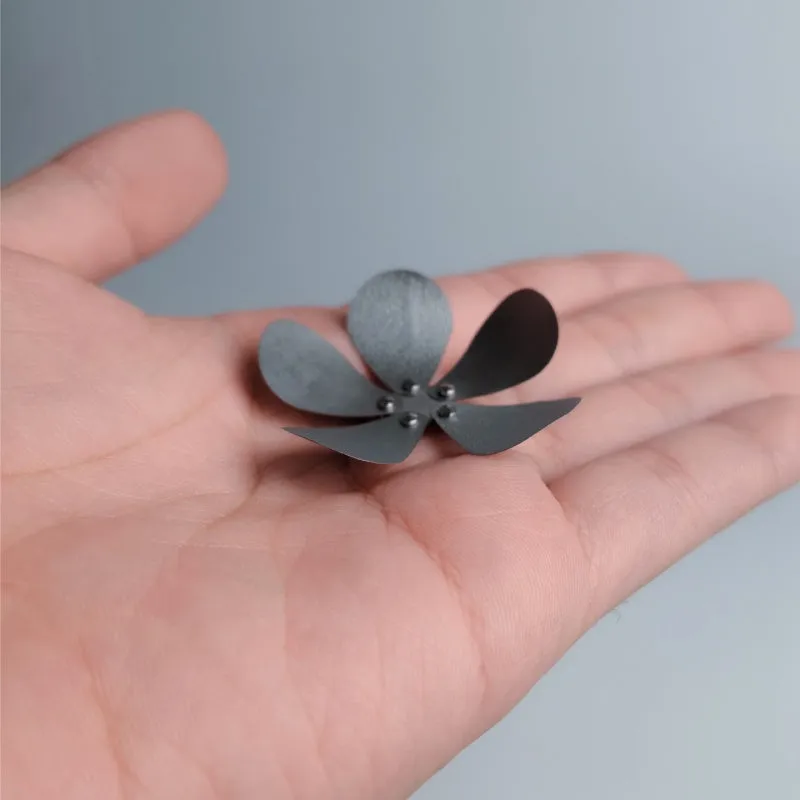
Memory Metal Flower Care: Keeping Your Kinetic Sculpture Responsive
A memory metal flower responds to heat by blooming and closing repeatedly, but only if you maintain the nitinol alloy correctly. These kinetic sculptures rely on shape memory properties that degrade under improper handling, excessive heat cycling, or contamination. We tested care routines across dozens of activations to identify what keeps petals crisp and transformation temperatures stable.
The memory metal flower we stock uses nickel-titanium alloy engineered to transform at body temperature or slightly above. Proper care extends its lifespan from months to years of reliable blooming.
How Memory Metal Flowers Work
Nitinol (nickel-titanium) exhibits shape memory because its crystal structure shifts between two phases at a specific transition temperature. When cold, the metal is soft and malleable. Above the activation threshold—typically 30°C to 50°C depending on the alloy treatment—it snaps back to its pre-programmed "remembered" shape.
Shape memory alloys like nitinol are trained during manufacturing by heating the metal to 500°C while holding it in the desired bloom shape, then rapidly cooling it. This locks in the memory. Your metal flowers arrive pre-trained, so your job is simply to preserve that programming.
The petals typically start flat or loosely curled. Warm water, a heat gun, or even your palm triggers the bloom. As the metal cools below the transition point, it returns to the relaxed state—ready to bloom again.
Activating Your Nitinol Flower Without Damage
Heat activation is safe when you stay within the alloy's design range. We recommend these methods:
- Warm water bath (40°C to 50°C): Submerge the sculpture for 10 to 30 seconds. This distributes heat evenly and prevents localized overheating that can shift the transformation temperature.
- Body heat: Cup the flower in your palms for slower, gentler activation. Works best with lower-threshold alloys.
- Heat gun or hair dryer on low: Keep the nozzle moving and at least 15 cm away. Static heat above 80°C can anneal the metal and erase the trained shape.
- Avoid open flame or boiling water: Temperatures above 100°C risk permanent deformation and oxidation of the nickel-titanium surface.
Between activations, let the sculpture cool fully to room temperature. Rapid cycling without cooling fatigues the crystal structure and reduces responsiveness over time.
Cleaning and Maintenance for Shape Memory Flowers
Contaminants interfere with heat transfer and can corrode the alloy surface. Clean your memory metal flower every 20 to 30 activations or whenever you notice sluggish response:
- Rinse under lukewarm tap water to remove dust and oils.
- For stubborn residue, use a soft cloth with mild dish soap. Avoid abrasive pads that scratch the surface.
- Dry thoroughly with a lint-free towel. Moisture left on nickel titanium sheet surfaces can cause spotting.
- Optional: wipe with isopropyl alcohol (70% or higher) to remove finger oils before storage.
Do not use acidic cleaners, bleach, or ammonia-based products. These etch the alloy and accelerate corrosion. If your sculpture develops a dull gray patina, that is normal oxidation and does not affect function.
For those interested in building custom designs, nickel-titanium alloy sheets are available for DIY projects, though programming the memory requires specialized heat-treatment equipment.
Storage and Handling Best Practices
Store your metal flowers in a cool, dry environment away from direct sunlight. Prolonged exposure to temperatures above 30°C (including hot car interiors or sunny windowsills) can cause the sculpture to remain partially or fully bloomed, reducing the dramatic effect when you activate it intentionally.
- Keep the sculpture in a padded box or cloth pouch to prevent bending. Nitinol is flexible in its soft phase, but sharp creases can create stress points that eventually crack.
- Avoid stacking heavy objects on top. Sustained mechanical load can plastically deform the petals beyond the alloy's ability to recover.
- If transporting the flower, let it cool completely first. A bloomed sculpture is more rigid and prone to snagging.
Handle petals by the base or stem rather than gripping the thin edges. Repeated pinching weakens the metal at those points.
Troubleshooting Common Memory Metal Issues
Petals no longer bloom fully: This usually signals fatigue from over-cycling or contamination blocking heat transfer. Clean the sculpture thoroughly, then test activation in a controlled warm water bath. If response remains weak, the alloy may have been overheated in the past, shifting its transformation temperature above your heat source's output.
One petal lags behind others: Uneven thickness or a manufacturing variance in that petal's alloy composition. Not harmful, but if it bothers you, you can apply slightly more heat to that area during activation.
Metal feels brittle or snaps: Rare, but indicates the alloy was cycled beyond its fatigue limit (typically 10,000+ transformations for quality nitinol) or exposed to extreme cold below -20°C, which can embrittle the martensite phase.
Sculpture stuck in bloom position: It is above its transition temperature. Move it to a cooler space and allow 5 to 10 minutes for full relaxation. If it remains open at room temperature, the memory has been partially erased by overheating.
For current pricing and to grab the discount code for your next kinetic sculpture, visit our store page. We also carry complementary display pieces like the plasma ring and toroidal plasma that pair beautifully with memory metal art on a science-themed shelf.
Comparing Memory Metal Flowers to Other Kinetic Art
| Feature | Memory Metal Flower | Plasma Displays | Fluid Pendants |
|---|---|---|---|
| Activation | Heat (water, hand) | Electricity (plug-in) | Gravity (flip) |
| Lifespan | 1,000+ cycles with care | 20,000+ hours | Indefinite |
| Portability | Highly portable, no power | Requires outlet | Pocket-sized |
| Maintenance | Periodic cleaning | Dust glass, check transformer | Minimal |
While plasma toroids and glowing cylinders offer mesmerizing light shows, nitinol flowers provide tactile, silent interaction without electricity. They are ideal for travel, classroom demonstrations, or bedside tables where cords are inconvenient.
The fluid simulation pendant shares the pocketable advantage but lacks the dramatic transformation of a blooming flower. Each art form has its niche; we keep all three in our rotation depending on mood and setting.
Who Should Buy a Memory Metal Flower
Nitinol kinetic sculptures appeal to:
- STEM educators: Demonstrate phase transitions and materials science without lab equipment.
- Fidgeters and desk toy enthusiasts: Satisfying to activate repeatedly during calls or brainstorming sessions.
- Gift seekers: Unique, conversation-starting present for engineers, physicists, or anyone who appreciates mechanical elegance.
- Collectors of scientific curiosities: Pairs well with ferrofluid displays, Crookes radiometers, and other physics toys.
If you prefer visual spectacle over tactile interaction, explore our plasma glob or ring shaped plasma tube options instead. For the best deal on either category, check the latest price with our active coupon.
With mindful heating, regular cleaning, and proper storage, your memory metal flower will bloom reliably for years. The alloy's fatigue resistance and corrosion tolerance make it one of the lowest-maintenance kinetic sculptures available—no batteries, no breakable glass, just elegant materials engineering you can hold in your hand.
Frequently asked questions
How many times can a memory metal flower bloom before it stops working?
Quality nitinol alloys typically handle 1,000 to 10,000 transformation cycles before fatigue reduces responsiveness. Proper care—avoiding overheating and mechanical stress—pushes performance toward the upper end of that range.
Can I speed up the blooming by using hotter water?
Water between 40°C and 50°C is optimal. Hotter water does not significantly speed blooming and risks shifting the transformation temperature or damaging the alloy's trained memory.
What temperature activates a nitinol flower?
Most memory metal flowers are trained to activate between 30°C and 50°C. The exact threshold depends on the alloy's heat treatment during manufacturing.
Will a memory metal flower bloom in cold weather?
It will bloom if you apply sufficient heat, but cold ambient temperatures below 10°C require longer warming or a hotter heat source to reach the transformation point. Extreme cold below -20°C can make the metal brittle.
Can I reshape a memory metal flower if I do not like the bloom pattern?
Reprogramming nitinol requires heating to 500°C while constraining it in the new shape, then quenching. This is not practical at home and risks destroying the existing memory.
Is nitinol safe to handle with bare hands?
Yes. Nickel-titanium alloy is non-toxic and widely used in medical implants. Some people with severe nickel allergies may experience skin sensitivity, but this is rare.