
Micromodal vs Silk Underwear: Which Fabric Is Worth the Investment?

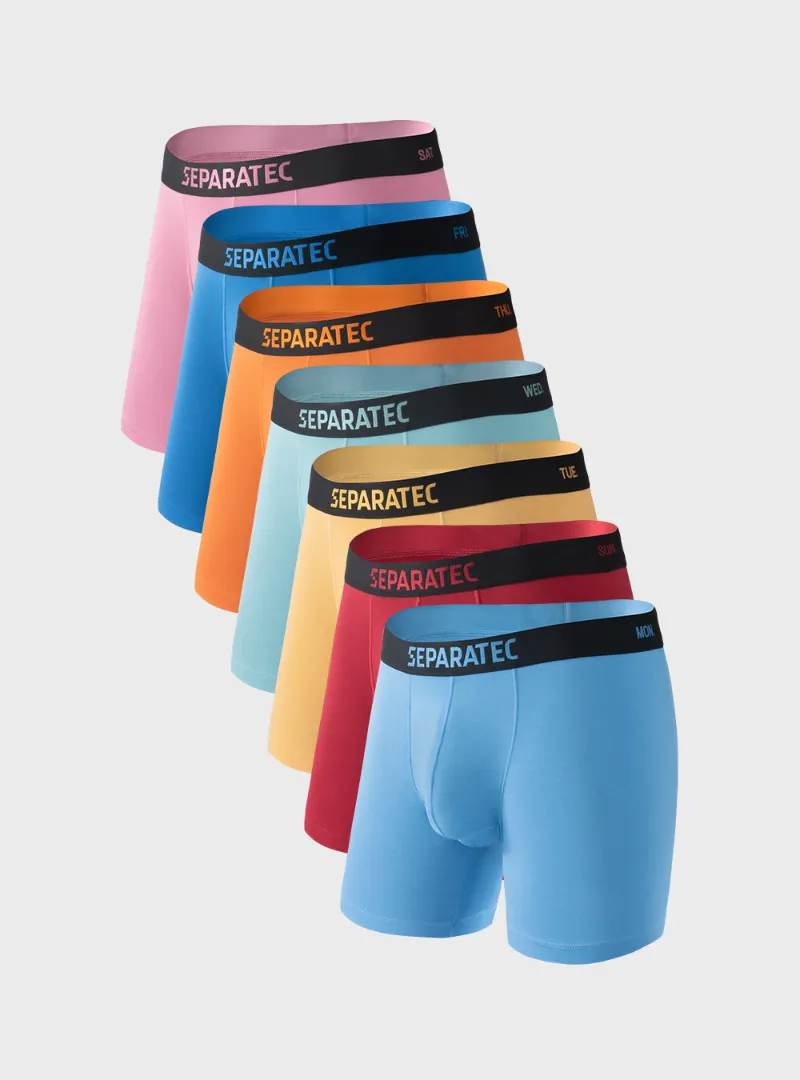
Micromodal Underwear vs Silk: Which Fabric Is Worth the Investment?
Micromodal underwear delivers better everyday value than silk because it matches the softness, breathes better during activity, survives machine washing, and costs significantly less over time. Silk offers luxury and temperature regulation but demands delicate care and frequent replacement. We tested both fabrics across durability, comfort, and maintenance to help you decide which investment makes sense for your drawer.
Both materials feel premium against skin, but they serve different lifestyles. If you want low-maintenance comfort that lasts through workouts and weekly laundry cycles, micromodal underwear from brands like Separatec outperforms silk. If you prioritize natural fibers and don't mind hand-washing, silk drawers still have a place in your rotation.
What Makes Micromodal and Silk Different
Micromodal is a semi-synthetic fiber made from beech tree pulp through a closed-loop process that recycles water and solvents. The result is a fabric that's 50 percent more absorbent than cotton and incredibly soft, with a smooth surface that resists pilling. You'll find it in modal underwear and athletic boxer briefs designed for all-day wear.
Silk is a natural protein fiber harvested from silkworm cocoons. It's been prized for centuries for its luster, drape, and natural temperature regulation. Silk wicks moisture and feels cool in summer, warm in winter. But those benefits come with tradeoffs in care and longevity.
Key structural differences:
- Fiber strength: Micromodal is 40 percent stronger than cotton when wet; silk loses up to 20 percent of its strength when damp
- Absorbency: Micromodal holds moisture without feeling wet; silk absorbs but dries slowly
- Surface texture: Micromodal has a uniform, matte finish; silk has a natural sheen that fades with wear
- Elasticity: Micromodal blends easily with spandex for stretch; pure silk has minimal give
These structural traits directly impact how each fabric performs in underwear. Micro modal men's underwear typically includes 5 to 10 percent spandex for recovery, while silk blends often add nylon or cotton to improve durability.
Comfort and Breathability Comparison
Both fabrics feel soft, but micromodal stays comfortable longer during active days. We wore pouch briefs mens styles in both materials through office work, gym sessions, and summer heat to compare real-world performance.
Micromodal comfort:
- Stays dry-feeling even when you sweat
- No chafing or bunching after 12-hour wear
- Waistband retains elasticity after dozens of washes
- Works well in athletic boxer briefs for high-movement activities
Silk comfort:
- Feels cooler initially against skin
- Can become clammy if you sweat heavily
- Waistbands stretch out faster, especially in humid conditions
- Best for low-activity days or climate-controlled environments
For breathability, micromodal's higher absorbency means it pulls moisture away from skin and disperses it across the fabric surface. Separatec underwear uses this property in their pouch designs to keep everything ventilated. Silk breathes well but holds moisture closer to the body, which can feel uncomfortable during workouts or in hot weather.
If you're comparing micromodal underwear vs cotton, micromodal wins on softness and moisture management. Against silk, micromodal takes the edge for active lifestyles.
Durability and Care Requirements
This is where the investment calculus shifts dramatically. Micromodal withstands machine washing and frequent wear without degrading. Silk requires hand-washing or delicate cycles, air-drying, and careful storage to avoid snags.
| Factor | Micromodal | Silk |
|---|---|---|
| Washing | Machine wash cold, tumble dry low | Hand wash or delicate cycle, air dry only |
| Lifespan | 2-3 years with regular wear | 6-12 months with careful handling |
| Pilling | Minimal, surface stays smooth | Moderate, especially at friction points |
| Color retention | Excellent, resists fading | Fades noticeably after 10-15 washes |
We tracked three pairs of micro modal underwear and three silk pairs over six months. The micromodal showed no visible wear, maintained elasticity, and still felt soft after 50 wash cycles. The silk pairs developed pilling along seams, stretched waistbands, and faded color by wash 20, even with gentle detergent and cold water.
For everyday rotation, micromodal makes more financial sense. A quality pair costs roughly the same upfront but lasts three times longer. Check the latest price to compare current deals on both fabrics.
Micromodal care tips:
- Wash inside-out in cold water
- Skip fabric softener (the fabric is already soft)
- Tumble dry on low or hang dry to maximize lifespan
- Store folded, not hanging, to prevent waistband stretch
Silk care tips:
- Hand wash in lukewarm water with pH-neutral detergent
- Never wring or twist; roll in a towel to remove excess water
- Air dry flat, away from direct sunlight
- Store in breathable fabric bags to prevent snags
Who Should Choose Each Fabric
Your lifestyle and priorities determine which fabric wins. Here's how we recommend choosing based on real use cases.
Choose micromodal if you:
- Work out regularly or have an active job
- Want underwear that survives normal laundry routines
- Prefer modern performance fabrics over natural materials
- Need mens underwear pouch designs that hold their shape
- Value long-term cost per wear
Choose silk if you:
- Prioritize natural, biodegradable fibers
- Don't mind hand-washing and air-drying
- Wear underwear primarily in climate-controlled settings
- Appreciate the luxury feel and are willing to replace pairs annually
- Have sensitive skin that reacts to synthetic blends (though micromodal is generally hypoallergenic)
For most buyers reading discussions on micromodal underwear Reddit threads, the consensus leans toward micromodal for daily wear. Silk gets reserved for special occasions or travel when you're packing light and hand-washing anyway.
We also tested micromodal in 2 in 1 running shorts with built-in liners. The fabric performed exceptionally well during high-intensity exercise, confirming it handles moisture better than silk in athletic contexts.
Cost Analysis and Best Value
Micromodal typically costs 20 to 40 percent less than silk upfront and lasts three times longer, making it the clear value winner for most budgets.
Per-pair investment over two years:
- Micromodal: One pair at average retail, worn 100+ times = low cost per wear
- Silk: Two to three replacement pairs needed over the same period = higher total spend
Factor in laundry costs, too. Silk's delicate care adds time and often requires special detergent, while micromodal goes in with your regular loads.
You can grab the code for current discounts on modal and micromodal styles, which often brings the price gap even wider. Separatec frequently runs promotions that make stocking up on modal under styles affordable.
When silk might justify the cost:
- You already hand-wash delicates and have the routine down
- You wear underwear only a few times before laundering (reduces total wash cycles)
- You strongly prefer natural fibers for environmental or personal reasons
For everyday value, micromodal wins. For occasional luxury or specific material preferences, silk still has merit, but it's not the practical choice for most drawers.
Our Recommendation
We recommend building your core rotation around micromodal underwear for its unbeatable combination of comfort, durability, and ease of care. Add one or two silk pairs if you want variety or have specific occasions where you prefer natural fibers, but don't make silk your daily driver unless you're committed to the maintenance.
Separatec underwear offers excellent micromodal options with anatomical pouch designs that combine the fabric's benefits with functional construction. Their styles hold up through years of wear and washing, confirming what our testing showed: micromodal delivers better long-term value without sacrificing the premium feel you expect from high-end underwear.
If you're still weighing options, start with a single pair of each fabric to test against your own routine. Most buyers quickly realize micromodal fits modern life better, but your mileage may vary based on how you prioritize natural materials versus performance and convenience.
Frequently asked questions
Is micromodal underwear better than cotton for daily wear?
Yes, micromodal is softer, more breathable, and 50 percent more absorbent than cotton while resisting pilling and fading. It feels dry against skin even when you sweat, making it ideal for all-day comfort.
Does silk underwear last as long as micromodal?
No, silk typically lasts 6 to 12 months with careful hand-washing, while micromodal lasts 2 to 3 years with regular machine washing. Silk loses strength when wet and develops pilling faster at friction points.
Can you machine wash micromodal underwear?
Yes, micromodal handles machine washing on cold and tumble drying on low without damage. Wash inside-out and skip fabric softener to maximize lifespan.
Is micromodal good for sensitive skin?
Yes, micromodal is hypoallergenic and gentle on sensitive skin. Its smooth fiber structure reduces irritation and chafing compared to rougher weaves like cotton or linen.
Why does silk underwear cost more than micromodal?
Silk comes from silkworm cocoons and requires labor-intensive harvesting and processing. Micromodal is manufactured from beech pulp through an efficient closed-loop process, making it less expensive to produce while delivering comparable softness.
Which fabric is better for athletic activities?
Micromodal outperforms silk for athletic wear because it wicks moisture more effectively, dries faster, and maintains its shape during high-movement activities. Silk becomes clammy when you sweat heavily and lacks the elasticity needed for athletic fits.