
Miraculous Medal vs Scapular Medal: Which Catholic Necklace Should You Wear?

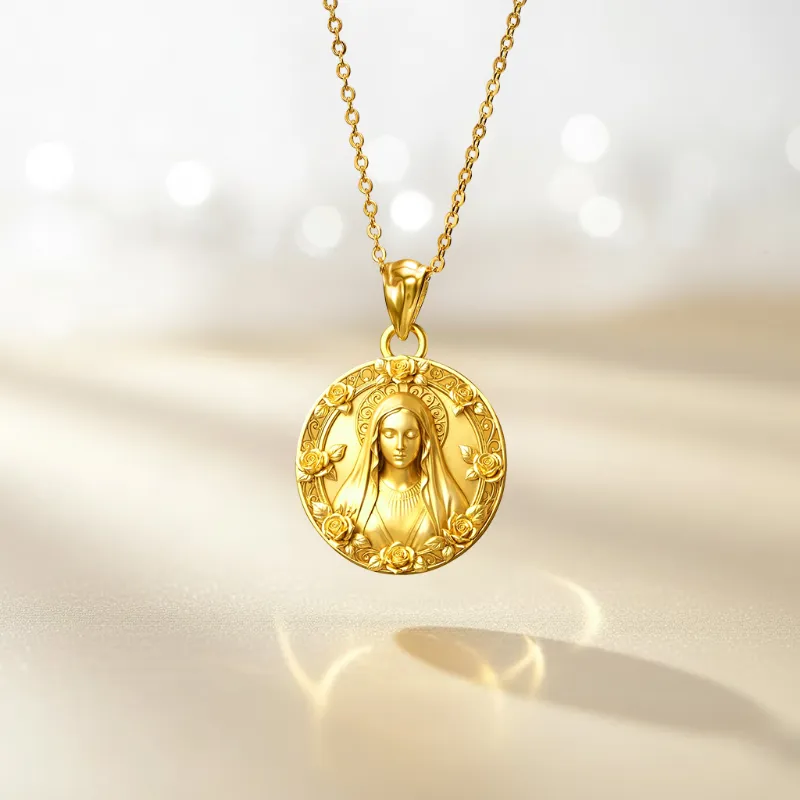
Both the gold miraculous medal necklace and the scapular medal are worn by millions of Catholics worldwide, but they represent distinct devotions with their own origins, promises, and traditions. We tested dozens of Catholic medals to help you understand which piece aligns with your faith practice and personal style.
What the Miraculous Medal Represents
The Miraculous Medal originated in 1830 when the Virgin Mary appeared to Saint Catherine Labouré in Paris. Mary instructed Catherine to strike a medal with a specific design: the Blessed Mother standing on a globe with rays of light streaming from her hands, surrounded by the prayer "O Mary, conceived without sin, pray for us who have recourse to thee."
The reverse side traditionally shows the letter M intertwined with a cross, two hearts (one crowned with thorns, one pierced with a sword), and twelve stars. Wearing a gold miraculous medal necklace is associated with receiving graces, protection, and conversion. Many Catholics wear it as a daily reminder of Mary's intercession.
The medal comes in various gold finishes. A 14k gold miraculous medal necklace offers durability for everyday wear, while 18k and 24k gold options provide richer color and heirloom quality. You'll also find white gold miraculous medal necklace styles for those who prefer cooler metal tones.
Understanding the Scapular Medal
The scapular medal was authorized by Pope Pius X in 1910 as an alternative to the traditional cloth brown scapular of Our Lady of Mount Carmel. The brown scapular devotion dates back to 1251, when Mary appeared to Saint Simon Stock and promised that those who died wearing it would be saved from eternal fire.
The scapular medal typically shows the Sacred Heart of Jesus on one side and Our Lady of Mount Carmel on the other. It serves as a substitute for the two-piece cloth scapular, which can be less practical under modern clothing. Catholics who choose the medal form maintain the same devotion and spiritual benefits associated with the fabric version.
Unlike the Miraculous Medal's oval shape, scapular medals often come in round or rectangular forms and may be incorporated into saint necklaces or worn alongside other devotional jewelry.
Key Differences Between the Two Medals
| Feature | Miraculous Medal | Scapular Medal |
|---|---|---|
| Origin | 1830 Marian apparition to St. Catherine Labouré | 1251 Carmelite devotion, medal approved 1910 |
| Primary devotion | Immaculate Conception and Mary's graces | Our Lady of Mount Carmel and Carmelite promise |
| Imagery | Mary with rays of light, M with cross and hearts | Sacred Heart and Our Lady of Mount Carmel |
| Shape | Oval | Usually round or rectangular |
Both medals honor Mary, but the Miraculous Medal focuses on her role in dispensing graces to all who ask, while the scapular medal centers on the specific promise given to the Carmelite order and its lay members.
Which Medal Should You Choose for Daily Wear
Your choice depends on your personal devotion and lifestyle needs. We recommend the miraculous medal necklace gold if you want a widely recognized Marian symbol that pairs well with other jewelry. The oval design sits flat against the chest and works beautifully in women's gold miraculous medal necklace styles for layering.
Choose a scapular medal if you're enrolled in the brown scapular devotion but find the cloth version impractical for work, sports, or sleeping. Many Catholics wear both, either on separate chains or combined on one necklace. A miraculous medal and crucifix necklace offers another layering option that complements either medal style.
For durability, look for solid gold rather than plated options. A 14k gold piece balances affordability with longevity, while 18k gold provides richer color for heirloom pieces. Check the latest pricing and grab our code to save 20% on your purchase.
How to Wear and Layer Catholic Medals
Both medals work as standalone pieces or layered with other devotional jewelry. Here's how we layer them:
- Single statement piece: Wear a larger miraculous medal pendant on a 18 to 20 inch chain for a classic, visible look
- Layered devotion: Combine a gold virgin mary necklace with a shorter scapular medal on a 16 inch chain
- With other saints: Pair either medal with sacred heart jewelry or a holy family medallion on varying chain lengths
- Subtle under clothing: Choose a small medal on a shorter chain that sits at the collarbone
Many Catholics also wear a blessed mother mary necklace or saint mary necklace that incorporates both medal traditions into a single design.
Caring for Your Gold Catholic Jewelry
Gold medals require minimal maintenance but benefit from regular care. Clean your miraculous medal pendant or scapular with warm water and mild dish soap using a soft cloth. Avoid harsh chemicals, chlorine, and abrasive materials that can scratch the surface or dull the finish.
Store your necklace in a fabric-lined jewelry box or pouch to prevent tangling and surface scratches. Remove your medal before swimming, showering, or applying lotions and perfumes, which can build up in engraved details. Higher karat gold (18k and 24k) is softer and more prone to bending, so handle these pieces gently.
If your chain breaks or the medal shows wear, most jewelers can repair or restore gold pieces. We recommend annual professional cleaning for heirloom-quality necklaces.
Where to Buy Authentic Catholic Medals
Catholight carries both miraculous and scapular medals in various gold finishes, along with combination pieces and complementary devotional jewelry like the crown of thorns cross. Their collection includes certified metals with proper hallmarks, ensuring you receive genuine gold rather than plated alternatives.
Before you order, visit the Catholight discount page to access our exclusive 20% sitewide offer. The current promotion applies to all medal styles, chains, and related Catholic jewelry, making it an ideal time to invest in a quality piece or gift one to someone preparing for confirmation or another sacrament.
Both the Miraculous Medal and scapular medal serve as powerful reminders of Mary's protection and intercession. Your choice ultimately reflects your personal devotion, aesthetic preference, and how you incorporate faith into your daily life. Many Catholics find that owning both medals allows them to honor different aspects of Marian devotion throughout the liturgical year.
Frequently asked questions
Can I wear both a Miraculous Medal and a scapular medal at the same time?
Yes, many Catholics wear both medals together on the same chain or on separate chains. There's no religious restriction against wearing multiple devotional medals, and doing so honors different aspects of your faith.
Does a gold miraculous medal necklace need to be blessed by a priest?
While not required, having your Miraculous Medal blessed by a priest is strongly recommended in Catholic tradition. The blessing formally designates it as a sacramental and is believed to increase its spiritual effectiveness.
What's the difference between 14k and 18k gold for Catholic medals?
14k gold contains 58.3% pure gold and is more durable for daily wear, while 18k gold contains 75% pure gold, offers richer color, and is softer. Both are excellent choices depending on whether you prioritize durability or luxury.
Can men wear a Miraculous Medal or scapular medal?
Absolutely. Both medals are worn by men and women of all ages. Men often choose simpler designs on heavier chains, but the devotional meaning and spiritual benefits are identical regardless of gender.
Do I need to be enrolled in the scapular to wear a scapular medal?
Yes, you should be formally enrolled in the brown scapular devotion by a priest before wearing the scapular medal as a substitute for the cloth version. Enrollment is a brief ceremony available at most Catholic parishes.
How long should the chain be for a Miraculous Medal necklace?
Most people choose 18 to 20 inch chains for a Miraculous Medal to sit at the upper chest. Shorter 16 inch chains work for a higher, collarbone look, while 22 to 24 inch lengths allow the medal to layer under clothing.