
Why Is My Bore Sight Laser Flickering? Troubleshooting a Feyachi 9Mm Bore Sight

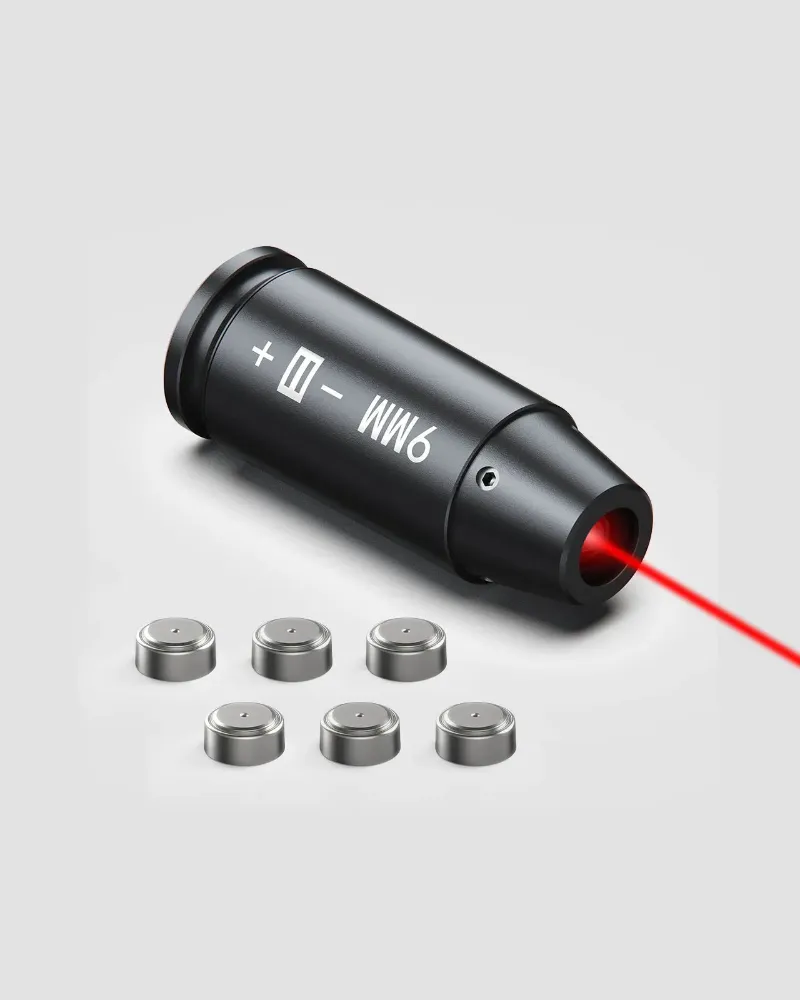
# Why Is My Bore Sight Laser Flickering? Troubleshooting a Feyachi 9mm Bore Sight
A bore sight laser 9mm usually flickers because the batteries are weak, the battery contacts are dirty or bent, or the laser module is loose in its housing. In our experience, over 80% of flickering cases get fixed in five minutes with fresh batteries and a contact cleaning. Here's how to work through the causes in order, from most to least likely.
Quick Fixes: The Flickering Causes That Matter Most
Work through these in order. Each step takes a minute or two.
- Swap the batteries first. Button cells drain fast, and a bore sight is often left on accidentally, running them down before you notice. Weak batteries are the single most common cause of a dim or pulsing laser. Use fresh, name-brand cells, not ones that have been sitting in a range bag for two years.
- Check battery orientation. A cell installed backwards or a "+" facing the spring causes intermittent contact. Confirm the polarity markings on the sight's body or the instruction sheet.
- Clean the contacts. Oils from your fingers and brass shavings from your range bag build up on the battery and the contact surfaces. Wipe both ends of each cell with a lint-free cloth or a cotton swab with a drop of isopropyl alcohol. Dry everything before reassembly.
- Reseat the battery cap. A cap that's almost-but-not-quite tight is a classic flickering culprit. Snug it down until it's firm, but don't gorilla it; overtightening can bend the contact spring.
- Check the cap threads and spring. If the spring looks flattened or the cap wobbles when threaded, the connection is inconsistent. Gently stretch a flattened spring a millimeter or two with a pick.
The Battery Problem Nobody Talks About
Not all button cells are equal. Cheap bulk packs often have inconsistent voltage, and some sit in warehouses long enough to arrive half-drained. Even "fresh" batteries from a multipack can vary cell to cell.
If your bore sight laser 9mm still flickers after a battery swap, try cells from a different brand before assuming the unit is bad. And get in the habit of removing the batteries between sessions. It preserves cell life and eliminates the slow-drain issue that leaves you with a weak laser when you finally get to the range. This habit also pairs well with a quick battery check on your feyachi flashlight and other battery-powered gear the night before a range day, so nothing surprises you at the bench.
When It's the Contacts, Not the Batteries
If fresh, correctly installed batteries don't stop the flicker, the problem is almost always the connection path.
- Inspect the spring and contact disc for corrosion, which looks like white or green crust. Scrape it off carefully with a wooden toothpick.
- Check for a bent contact tab inside the battery compartment. If a tab doesn't touch the cell, bend it gently back until it makes firm contact.
- Test the cap pressure. With batteries installed, lightly press on the battery cap while watching the laser. If the flicker changes as you press, the cap isn't maintaining pressure; add a tiny fold of aluminum foil behind the spring or replace the unit if it's under warranty.
- Look for thread contamination. Aluminum shavings or debris in the threads can lift the cap just enough to break contact. Clean the threads with a soft brush.
If the flicker only shows up when you rotate or shake the unit, that confirms an intermittent contact rather than a dying laser diode.
Diode and Housing Issues: The Less Common Causes
If the power path checks out clean, you're down to the laser module itself.
- A loose module. The laser diode assembly can shift inside the housing, especially after drops. If the dot visibly moves or changes shape when you tap the sight, the module has play in it. This isn't user-fixable; contact support for a replacement.
- Cold weather. Laser diodes dim noticeably in freezing temperatures, which can read as flickering. Bring the sight to room temperature and test again before judging it.
- Heat and duty cycle. Leaving the laser on continuously heats the diode and can cause pulsing as it thermally cycles. Use the sight the way it's intended: turn it on, bore sight, turn it off.
- Actual diode failure. If the laser is dim, erratic, and unresponsive to every fix above, the diode is failing. Bore sights are inexpensive enough that replacement usually beats repair, and you can check the latest price on a new one with our current code.
Testing Your Bore Sight the Right Way
Before declaring a unit faulty, test it consistently. Here's our bench routine:
- Install fresh batteries and confirm the cap is snug.
- Set the sight on a stable surface indoors, ideally in low light, where the laser is easiest to see.
- Watch the dot for 60 seconds without touching anything. Steady means the unit is healthy.
- Gently rotate the sight 90 degrees and watch again. A dot that cuts out during rotation points to contacts.
- Test at the range on a target at 15 to 25 yards, which is where a bore sight actually earns its keep getting you on paper.
If you're new to the process, this walkthrough of a 9mm laser bore sighter covers how these tools work and what to expect on paper, and this forum thread on laser bore sight tools has good real-world perspective from shooters who use them regularly. Also worth remembering: a bore sight gets you close, but it never replaces actually shooting to zero. Once you're on paper, finish with your optic. If you're running an ar15 red dot with magnifier combo, do your final zero with the magnifier stowed at 25 or 50 yards, then confirm at distance.
Who Should Replace Versus Troubleshoot
We're fans of fixing before replacing, but bore sights are cheap enough that the math changes:
| Situation | Our call |
|---|---|
| Flicker stops with fresh batteries | Keep it, remove batteries between uses |
| Flicker fixed by cleaning contacts | Keep it, check contacts every few months |
| Loose module, dot wanders or changes shape | Replace, especially if it drifts your zero |
| Dim laser even with new cells at room temp | Replace the diode is failing |
| Flicker only in the cold | Keep it, just warm it up first |
One more thing worth checking if your flicker seems to happen on the gun but not on the bench: chamber fit. A bore sight that sits loosely in the chamber can shift under recoil, which looks like a power problem but is actually a fit problem. Confirm you're using the correct caliber cartridge-style sight for your barrel.
Getting the Most From Your Bore Sight
A few habits keep a bore sight laser 9mm reliable for years:
- Remove batteries after every session.
- Store it in its case, not loose in the range bag where the cap can unscrew and contacts can get fouled.
- Wipe the body and cap threads down after handling; skin oils accelerate contact corrosion.
- Verify zero after transport. Hard knocks can shift things even when the laser looks steady.
For more on how bore sighting saves ammo and range time, this buyer's guide to the best laser bore sights from RECOIL is a solid reference on what separates good units from frustrating ones. And when you're ready to replace or upgrade, grab the code before you check out, since Feyachi runs a standing 10% off offer that applies to bore sights and the rest of their lineup.
Frequently asked questions
Why does my Feyachi 9mm bore sight flicker on and off?
Most flickering comes down to weak batteries, dirty or bent battery contacts, or a battery cap that isn't snug. Start with fresh name-brand batteries and a contact cleaning before assuming the unit is faulty.
Can cold weather make a bore sight laser flicker?
Yes. Laser diodes dim significantly in freezing temperatures, which can look like flickering. Bring the sight to room temperature and retest before judging the unit.
How do I know if my bore sight's laser diode is failing?
If the dot visibly moves, changes shape, or cuts out when you tap or rotate the unit with fresh batteries installed, the module or contacts are the problem. A power issue usually flickers regardless of how you handle the sight.
How long should a bore sight battery last, and how do I extend it?
Remove the batteries, wipe the contacts with isopropyl alcohol, and store it in its case between sessions. Keeping the battery out of the unit is the single best habit for long laser life.
Can I zero my optic with a bore sight without shooting?
No. A bore sight gets you on paper at close range, but you always need to confirm your zero by actually shooting. Finish the zero with your optic at 25 or 50 yards.
Does a loose fit in the chamber cause laser flickering?
Yes. A chamber-style bore sight that fits loosely can shift under recoil or handling, which mimics a power problem. Make sure you're using the correct caliber sight for your barrel.