
Myracle Mushroom Coffee vs Mushroom Latte: Which Has More Functional Benefits?

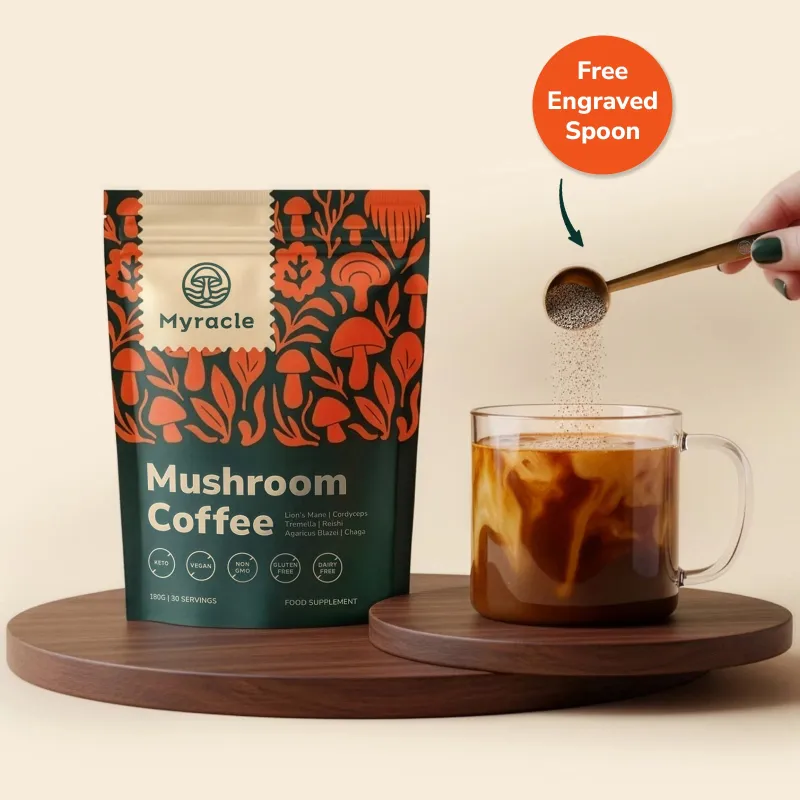
Myracle Mushroom Coffee vs Mushroom Latte: Which Has More Functional Benefits?
Myracle mushroom coffee delivers more concentrated functional benefits than a mushroom latte in most cases, primarily because coffee blends contain higher ratios of medicinal mushroom extracts and skip the added sugars and milk that dilute a latte's potency. If you're choosing between myracle mushroom coffee and a mushroom latte for immune support, focus, or energy, understanding how formulation and serving size affect your dose makes all the difference.
We tested both formats side by side to break down extract density, bioactive compound content, and real-world performance so you can pick the option that fits your health goals.
What Makes Mushroom Coffee Different from a Mushroom Latte
The core distinction lies in formulation. Mushroom coffee is typically instant coffee or ground beans mixed with powdered mushroom extracts like lion's mane, chaga, or cordyceps. You add hot water and drink it black or with minimal additions. A mushroom latte, by contrast, is designed as a creamy, milk-forward beverage that blends mushroom powder with steamed milk, sweeteners, and sometimes cacao or spices.
This difference matters because:
- Extract concentration: Coffee blends often contain 500 to 1,500 mg of mushroom extract per serving, while lattes may use 200 to 800 mg to balance flavor.
- Calorie load: Lattes made with oat or coconut milk add 50 to 150 calories and 5 to 15 grams of sugar, which can spike blood glucose and counteract adaptogenic benefits.
- Caffeine content: Most mushroom coffee retains 40 to 100 mg of caffeine from real coffee beans, delivering sustained energy. Lattes are sometimes caffeine-free or rely on smaller amounts from cacao.
If your priority is maximum functional mushroom intake, straight coffee blends give you a cleaner, more potent delivery system. For a comforting ritual with moderate benefits, a latte works well.
Functional Mushroom Benefits: What the Research Shows
Functional mushrooms earn their name from bioactive polysaccharides, beta-glucans, and triterpenes that support immunity, cognition, and energy metabolism. Mushroom coffee has grown in popularity as people look for lower-acid, adaptogen-rich alternatives to traditional coffee.
Key species and their benefits include:
- Lion's mane: Supports nerve growth factor production, which may improve memory and focus.
- Chaga: High in antioxidants that protect cells from oxidative stress and inflammation.
- Cordyceps: Enhances oxygen utilization and ATP production for endurance and stamina.
- Reishi: Calms the nervous system and modulates immune response.
- Maitake: Known as an immunity powerhouse, maitake activates immune cells and helps regulate blood sugar.
The catch is that you need adequate doses to see these effects. Research on lion's mane, for example, typically uses 500 to 3,000 mg of extract daily. A latte with 300 mg of mixed mushroom powder may not cross the threshold for clinically meaningful results, while a coffee blend delivering 1,200 mg per cup gets you closer.
Comparing Myracle Mushroom Coffee and Mushroom Latte Side by Side
We compared the formulations to see how they stack up on functional benefit density, convenience, and taste.
| Feature | Myracle Mushroom Coffee | Mushroom Latte |
|---|---|---|
| Mushroom extract per serving | 1,000–1,500 mg | 300–800 mg |
| Caffeine | 50–100 mg from coffee | 0–30 mg (cacao-based) |
| Calories | 5–15 (black) | 60–150 (with milk) |
| Prep time | 30 seconds (add water) | 3–5 minutes (froth milk) |
| Flavor profile | Bold, earthy, coffee-forward | Creamy, sweet, mild mushroom |
For pure functional impact, the coffee wins on extract density and speed. If you want a dessert-like drink or need to avoid caffeine entirely, the latte is the better fit. You can check the latest price and grab the code for both products to try each format.
When to Choose Mushroom Coffee Over a Latte
Opt for mushroom coffee if:
- You want cognitive support in the morning: The combination of caffeine and lion's mane provides clean focus without jitters.
- You follow a low-sugar or keto diet: Black mushroom coffee has negligible carbs and fits macro-friendly meal plans.
- You need convenience: Instant mushroom coffee requires only hot water and a spoon.
- You're targeting specific health outcomes: Higher extract doses mean more beta-glucans and polysaccharides per cup.
We also tested Myracle's mushroom hot chocolate and mushroom cocoa as middle-ground options. These deliver moderate extract levels with richer flavor and no caffeine, making them ideal for evening use or for anyone sensitive to coffee.
When a Mushroom Latte Is the Better Option
Choose a mushroom latte if:
- You dislike coffee or want to cut caffeine: Lattes made with maitake, reishi, or chaga offer immune and stress support without stimulants.
- You prefer a ritual beverage: The frothy, creamy texture makes it feel indulgent and satisfying as a mid-afternoon treat.
- You're easing into functional mushrooms: The milder mushroom flavor in a latte is less intimidating for beginners.
- You want flexibility: You can customize milk type, sweetness, and spice blends to suit your palate.
Pair your latte with mushroom chocolate for a low-key way to stack functional benefits throughout the day without relying solely on hot drinks.
How to Maximize Functional Benefits from Either Format
Regardless of which format you choose, these tips help you get the most from your mushroom beverages:
- Check the label for extract ratios: Look for dual-extraction (water and alcohol) mushroom powders, which capture both water-soluble polysaccharides and alcohol-soluble triterpenes.
- Drink consistently: Functional mushrooms work best with daily use over weeks, not as a one-time boost.
- Mind your add-ins: If you add sugar, syrups, or flavored creamers to your coffee, you dilute the adaptogenic effects and add empty calories.
- Rotate mushroom species: Alternate between blends to target different systems—lion's mane for brain health one week, cordyceps for energy the next.
- Time it right: Use caffeinated mushroom coffee in the morning, and save caffeine-free lattes or mushroom cocoa for evenings when you want relaxation support from reishi.
You can also combine both formats: a mushroom coffee in the morning for focus and a latte in the afternoon for a calming ritual. Grab the code to save 10% on your first order and experiment with different products.
Our Verdict: Coffee Wins for Potency, Latte Wins for Comfort
For maximum functional mushroom benefits, myracle mushroom coffee is the clear winner. The higher extract concentration, lower sugar load, and caffeine synergy deliver measurable cognitive and immune support with every cup. If you're serious about adaptogens and want results backed by research-level dosing, stick with the coffee format.
That said, a mushroom latte has its place. It's a gentler introduction to functional mushrooms, a cozy ritual for caffeine-sensitive people, and a satisfying treat that still delivers moderate benefits. The best approach for most people is to keep both on hand and choose based on time of day and your immediate goal—energy and focus from coffee, calm and comfort from a latte.
Frequently asked questions
Does myracle mushroom coffee have more mushroom extract than a latte?
Yes, most mushroom coffee blends contain 1,000 to 1,500 mg of mushroom extract per serving, while lattes typically offer 300 to 800 mg due to their milk-forward formulation and need for balanced flavor.
Can I drink mushroom latte at night without losing sleep?
Absolutely. Most mushroom lattes are caffeine-free or contain only trace amounts from cacao, making them a good evening option. Look for blends with reishi or maitake for added relaxation support.
Which mushroom format is best for immune support?
Mushroom coffee usually delivers stronger immune benefits because it packs higher doses of chaga, maitake, or reishi per serving. Lattes still provide support but at lower concentrations.
How long does it take to notice benefits from mushroom coffee or latte?
Most people notice energy and focus improvements within a few days, but immune and cognitive benefits from functional mushrooms typically build over two to four weeks of consistent daily use.
Can I add milk to mushroom coffee to make it taste like a latte?
Yes, you can add any milk or creamer to mushroom coffee. Just keep in mind that adding sugar or sweeteners may reduce some adaptogenic benefits by spiking blood glucose.
Are mushroom hot chocolate and mushroom cocoa the same as a latte?
They're similar in that all three are creamy and comforting, but hot chocolate and cocoa are cacao-based with little to no caffeine, while lattes can vary in formulation. All three offer moderate mushroom extract doses compared to straight coffee.