
Gokou Matcha Review: Is This Premium Japanese Matcha Worth the Price?

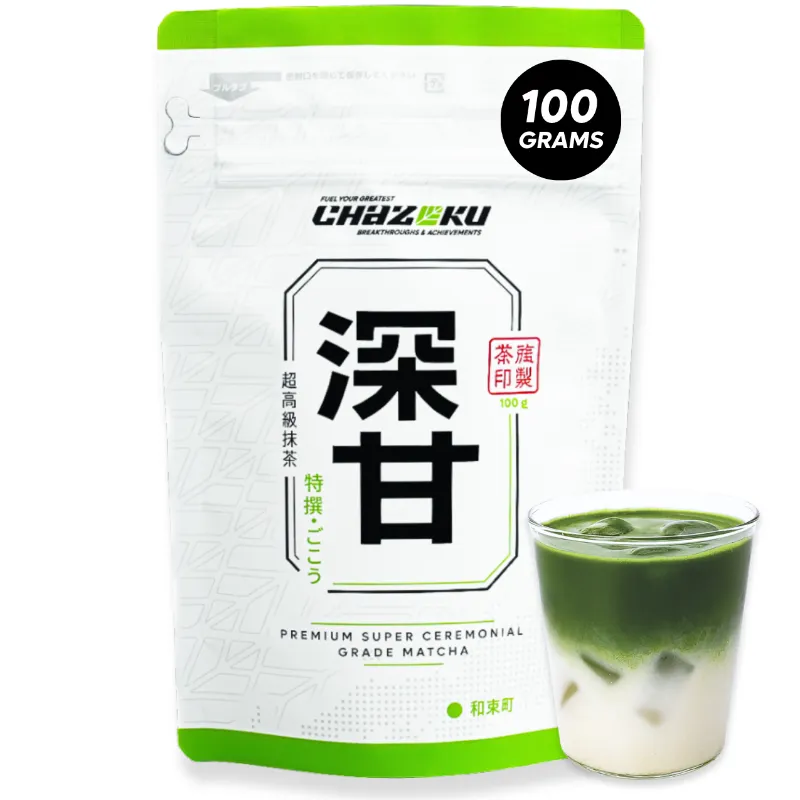
Gokou Matcha Review: Is This Premium Japanese Matcha Worth the Price?
Gokou matcha delivers a smooth, naturally sweet flavor with minimal bitterness, making it one of the most prized cultivars from Kyoto's Wazuka region. We tested this premium powder against other single-cultivar options to see if the price difference translates to a noticeably better drinking experience. If you're deciding whether to invest in this rare tea or stick with more common varieties, this review breaks down what you're actually paying for.
What Makes Gokou Cultivar Matcha Different
The gokou cultivar matcha stands out because of its genetic profile and growing requirements. Unlike mass-produced blends, gokou matcha cultivar was developed specifically for ceremonial-grade powder. The leaves produce a vibrant green color and a naturally sweet umami profile without the astringency you often find in budget matcha.
Chazoku sources their gokou matcha from Wazuka, a historic tea-growing region in Kyoto prefecture where farmers have perfected shade-growing techniques over generations. The 20-30 day shading period before harvest boosts chlorophyll and L-theanine levels, which explains the intense color and the calming-yet-alert feeling many users report.
Compared to the more common yabukita matcha, gokou offers a sweeter, less grassy taste. Yabukita is the workhorse cultivar that makes up about 75% of Japanese tea production, so it's dependable but less distinctive. If you've only tried generic matcha blends, gokou will taste noticeably smoother and more complex.
Flavor Profile and Texture
We prepared the chazoku gokou matcha both as usucha (thin tea) and koicha (thick tea) to evaluate its versatility. Here's what we found:
- Sweetness: Natural sweetness without added sugar, with notes of fresh grass and a hint of nuttiness
- Umami: Rich savory depth that lingers on the palate
- Bitterness: Minimal to none when whisked properly with water below 175°F
- Texture: Creamy and smooth with fine particle size that suspends well
- Color: Deep jade green, indicating high chlorophyll content
The powder whisked easily with a matcha measuring spoon and traditional bamboo whisk. We noticed it froths better than okumidori matcha, creating a stable layer of foam that holds for several minutes. Okumidori tends to taste slightly more vegetal and less sweet, though it's still an excellent choice if you prefer a grassier profile.
For lattes, gokou matcha holds its flavor even when mixed with milk, unlike some delicate cultivars that get washed out. The sweetness balances oat and almond milk particularly well without needing additional sweeteners.
How Gokou Compares to Other Single-Cultivar Matchas
We compared gokou directly to two other premium single-cultivar options from the same store to help you decide which suits your taste preferences and budget.
| Cultivar | Flavor Profile | Best For | Price Point |
|---|---|---|---|
| Gokou | Sweet, creamy, minimal bitterness | Daily drinking, lattes, beginners | Premium |
| Okumidori | Vegetal, grassy, balanced umami | Traditional preparation, purists | Mid-high |
| Saemidori | Bold umami, slightly astringent | Experienced drinkers, koicha | Mid-high |
Saemidori matcha offers the most intense umami punch but can taste too strong for newcomers or when prepared as a latte. Okumidori sits in the middle, offering complexity without overwhelming sweetness. Gokou wins for versatility—it works equally well whisked with water, blended into smoothies, or baked into desserts.
Check the latest pricing and grab our code to compare all three options with 14% off sitewide.
Who Should Buy Gokou Matcha
This premium powder makes sense for specific situations:
- Daily matcha drinkers who want a smooth, forgiving tea that tastes good even if preparation isn't perfect
- Latte lovers who need a cultivar with enough character to shine through milk
- Matcha beginners who are scared off by the bitterness of lower-grade powders
- Gift buyers looking for a genuinely special tea that reflects Japanese craftsmanship
If you only drink matcha occasionally or primarily use it for baking, the price difference may not justify itself. A mid-grade ceremonial blend will work fine in cookies or muffins where other flavors dominate. But for daily whisked tea or lattes, the smoother flavor and better suspension of gokou matcha create a noticeably more enjoyable experience.
Proper Preparation and Tools
Getting the best flavor from any premium matcha requires proper technique. We recommend:
- Sift the powder through a fine mesh to eliminate clumps
- Heat water to 160-175°F, not boiling (boiling water amplifies bitterness)
- Use 1-2 grams (about half a matcha spoon) for usucha, 3-4 grams for koicha
- Whisk in a zigzag motion for 15-20 seconds until frothy
- Drink immediately to enjoy the peak flavor and texture
A matcha measuring spoon ensures consistent portions, which matters more with expensive cultivars like gokou where you want to optimize flavor without wasting powder. The traditional chashaku (bamboo scoop) holds approximately one gram, so two scoops gives you a standard serving.
Our Verdict: Worth It for the Right Buyer
After testing gokou matcha against comparable single-cultivar options, we found it genuinely delivers on its premium positioning. The gokou cultivar's natural sweetness and creamy texture make it easier to enjoy daily compared to more astringent varieties, and the Wazuka origin ensures you're getting authentic Kyoto craftsmanship.
The price is higher than blended ceremonial matcha, but the flavor difference is real. If you drink matcha multiple times per week and you've been frustrated by grassy or bitter powders, upgrading to gokou makes sense. For occasional drinkers or baking-only use, stick with a quality blend or try yabukita matcha as a more affordable daily option.
Visit our Chazoku discount code page to see current pricing and apply our 14% sitewide offer. The code works on all their single-cultivar matchas, so you can test gokou alongside okumidori or saemidori to find your favorite.
Whether you're upgrading from grocery-store matcha or exploring different cultivars, gokou offers a smooth introduction to what premium Japanese tea can taste like when grown and processed with care. The naturally sweet profile and forgiving preparation make it one of the most approachable high-end matchas we've tested.
Frequently asked questions
What does gokou matcha taste like compared to regular matcha?
Gokou matcha tastes noticeably sweeter and creamier than common yabukita-based blends, with minimal bitterness and a rich umami flavor. The gokou cultivar produces a smoother, less grassy profile that works well for both traditional whisked tea and lattes.
Is gokou matcha good for beginners?
Yes, gokou is one of the best premium matchas for beginners because its natural sweetness and low bitterness make it forgiving even if your water temperature or whisking technique isn't perfect. It's much easier to enjoy than more astringent cultivars like saemidori.
How much gokou matcha powder should I use per serving?
Use 1-2 grams (about half a matcha measuring spoon) for usucha thin tea, or 3-4 grams for koicha thick tea. A traditional bamboo scoop holds approximately one gram, so adjust based on your preferred strength.
Can I use gokou matcha for lattes and baking?
Gokou works excellently in lattes because its flavor holds up well when mixed with milk. For baking, it will produce great results but a mid-grade ceremonial blend may be more economical since other ingredients will partly mask the cultivar's delicate sweetness.
What's the difference between gokou, okumidori, and saemidori matcha?
Gokou offers the sweetest, creamiest flavor with minimal bitterness. Okumidori tastes more vegetal and grassy with balanced umami. Saemidori delivers the boldest, most intense umami with slight astringency, best suited for experienced matcha drinkers.
Where does Chazoku source their gokou matcha?
Chazoku sources their gokou matcha from Wazuka in Kyoto prefecture, a historic tea-growing region known for high-quality shade-grown matcha. The tea plants are shaded for 20-30 days before harvest to boost chlorophyll and L-theanine levels.