
Okumidori vs Yabukita vs Saemidori Matcha: Which Cultivar Should You Buy?

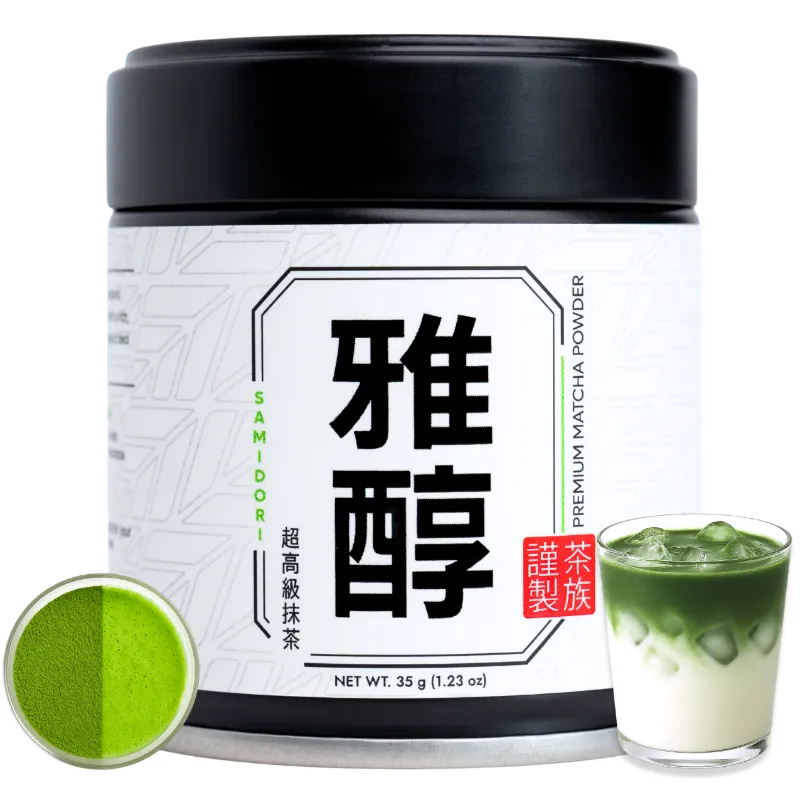
Okumidori Matcha vs Yabukita vs Saemidori: Which Cultivar Should You Buy?
Okumidori matcha delivers deeper umami and natural sweetness compared to the balanced Yabukita or the delicate, floral Saemidori. If you want rich, smooth flavor without bitterness, Okumidori is your best bet. Yabukita works well for everyday drinking and blending, while Saemidori suits those who prefer a lighter, more aromatic cup.
All three cultivars come from different tea plant varieties, each bred for specific flavor profiles and growing conditions. We tested okumidori matcha, yabukita matcha, and saemidori matcha side by side to help you decide which one matches your taste and budget. Before you buy, grab the code to save on any of these premium powders.
What Makes Okumidori Matcha Different
Okumidori is a cultivar developed in 1974 specifically for its high amino acid content and low astringency. The name means "emerald green," and the powder lives up to it with a vibrant, jade-like color that signals freshness and careful shading. Okumidori matcha cultivar produces thick, almost creamy body when whisked, thanks to higher L-theanine levels than most other varieties.
Flavor-wise, Okumidori hits you with intense umami right away, followed by a natural sweetness that lingers without any grassy or bitter finish. This makes it excellent for traditional whisked tea and modern lattes alike. The cultivar is less common than Yabukita, so it typically costs more and appears in ceremonial-grade products rather than culinary blends.
Okumidori plants also mature later in the season, which gives the leaves more time to develop complex flavors under shade. If you see "single-origin Okumidori" on a label, that usually means a rare, premium product worth the investment for special occasions.
How Yabukita Compares for Everyday Use
Yabukita accounts for roughly 75% of all Japanese tea production, making it the workhorse cultivar you will find in most matcha blends and mid-range ceremonial powders. It was developed in the 1950s for disease resistance and consistent yield, so it is widely available and usually more affordable than Okumidori.
The flavor profile is balanced: moderate umami, a touch of astringency, and a clean, grassy finish. Yabukita does not have the creamy sweetness of Okumidori, but it holds up well in lattes, baking, and blended drinks where you want recognizable matcha flavor without overpowering other ingredients. We recommend yabukita matcha if you drink matcha daily or use it in recipes, since the price-per-gram is easier on your wallet.
Yabukita also whisks smoothly and produces good froth with a matcha spoon and bamboo whisk. It is the safest choice for beginners who are still learning to taste the nuances between cultivars.
Why Saemidori Appeals to Floral-Forward Drinkers
Saemidori translates to "clear green," and the cultivar delivers a brighter, more delicate flavor than either Okumidori or Yabukita. You will notice floral and slightly fruity notes upfront, with less umami intensity and a lighter body. Some drinkers describe it as refreshing or spring-like, especially when whisked thin (usucha style).
Because Saemidori is less bold, it suits people who find traditional matcha too vegetal or heavy. The powder tends to be a lighter green than Okumidori, though still vibrant when fresh. Saemidori matcha works beautifully in cold-brewed matcha or iced lattes, where the floral character shines without competing with milk or sweeteners.
Saemidori plants are also harvested slightly earlier than Okumidori, which contributes to the brighter, less earthy profile. If you prefer green tea that tastes clean and aromatic rather than rich and savory, Saemidori is the cultivar to try.
Flavor and Texture Comparison Table
| Cultivar | Umami Level | Sweetness | Best For |
|---|---|---|---|
| Okumidori | Very High | High, creamy | Ceremonial drinking, premium lattes |
| Yabukita | Medium | Low to Medium | Everyday whisked tea, baking, blends |
| Saemidori | Low to Medium | Medium, floral | Cold brew, iced lattes, light drinking |
All three cultivars benefit from proper whisking technique. A matcha measuring spoon helps you dose consistently, especially when comparing side by side. We use 1 to 2 grams per serving for usucha and 3 to 4 grams for koicha, adjusting water temperature to 70-80°C to preserve delicate flavors.
Which Cultivar Fits Your Budget and Taste
If you want the richest, smoothest matcha and do not mind paying extra, choose okumidori matcha. It is the top pick for straight-up ceremonial drinking and for impressing guests who appreciate nuanced tea. Okumidori matcha also holds its flavor well in milk-based drinks without turning bitter or chalky.
For daily drinking, meal prep, or baking, stick with yabukita matcha. It delivers recognizable matcha flavor at a lower cost per serving, and you will find it easier to source in larger tins. Yabukita is also forgiving if you overheat the water or over-whisk, making it ideal for rushed mornings or batch recipes.
Saemidori sits between the two in price and intensity. Choose saemidori matcha if you already like lighter green teas such as sencha or gyokuro and want a matcha that matches that profile. It is also a good option for blending with gokou matcha, another cultivar that brings sweetness and complexity without overpowering Saemidori's floral notes.
You can check the latest price for all three cultivars and stack the current sitewide discount for the best value. For more detail on growing regions and processing, the cultivated varieties guide breaks down what makes each cultivar unique at the agricultural level.
How to Store and Prepare Each Cultivar
All three cultivars lose flavor and color quickly once opened, so store your matcha in an airtight tin in the refrigerator and bring it to room temperature before opening to prevent condensation. Okumidori and Saemidori are especially delicate and will turn dull or bitter within a month if left at room temperature.
When whisking, sift your powder first to break up clumps, then add 70-80°C water in a gentle stream. Okumidori froths more easily than Yabukita due to its higher fat content, so you can whisk a bit less vigorously and still get a creamy consistency. Saemidori benefits from a quicker, lighter whisk to preserve its floral aroma.
If you are new to traditional preparation, a matcha spoon or matcha measuring spoon ensures you are using the right dose every time. Consistent measurement makes it easier to compare cultivars and dial in your preferred strength.
Use Okumidori for special occasions or when you want to truly taste the tea. Reach for Yabukita in the morning or for cooking projects. Save Saemidori for warm afternoons or when you crave something lighter and more aromatic. Each cultivar has its place, and stocking two or three lets you match your matcha to your mood and recipe without compromise.
Frequently asked questions
Is Okumidori matcha worth the extra cost?
Yes, if you drink matcha straight and value deep umami and natural sweetness. Okumidori delivers a noticeably smoother, creamier experience than Yabukita or blended powders. For lattes or baking, the difference is less dramatic, so Yabukita offers better value.
Can I mix different matcha cultivars together?
Absolutely. Blending Okumidori with Saemidori or Gokou balances richness with floral or sweet notes. Many premium matcha brands already blend cultivars to achieve a house flavor profile.
Which cultivar is best for matcha lattes?
Okumidori works beautifully in lattes because its natural sweetness and creamy body hold up against milk without turning bitter. Yabukita is a solid budget-friendly alternative that still delivers recognizable matcha flavor.
Does Yabukita matcha taste bitter?
Yabukita has moderate astringency, but it should not taste bitter if prepared correctly with 70-80°C water and fresh powder. Bitterness usually signals over-steeping, old matcha, or water that is too hot.
Where can I find single-origin Okumidori matcha?
Single-origin Okumidori is rarer than blended matcha, but specialty retailers and direct-import shops carry it. Look for labels that specify the cultivar and region, and check current pricing with discount codes to get the best deal.
How long does matcha stay fresh after opening?
All cultivars stay freshest for three to four weeks after opening if stored in an airtight container in the refrigerator. Okumidori and Saemidori degrade faster than Yabukita due to their delicate flavor compounds, so buy smaller tins if you drink matcha occasionally.