
How Long Does Ceremonial Grade Matcha Stay Fresh After Opening?

How Long Does Ceremonial Grade Matcha Stay Fresh After Opening?
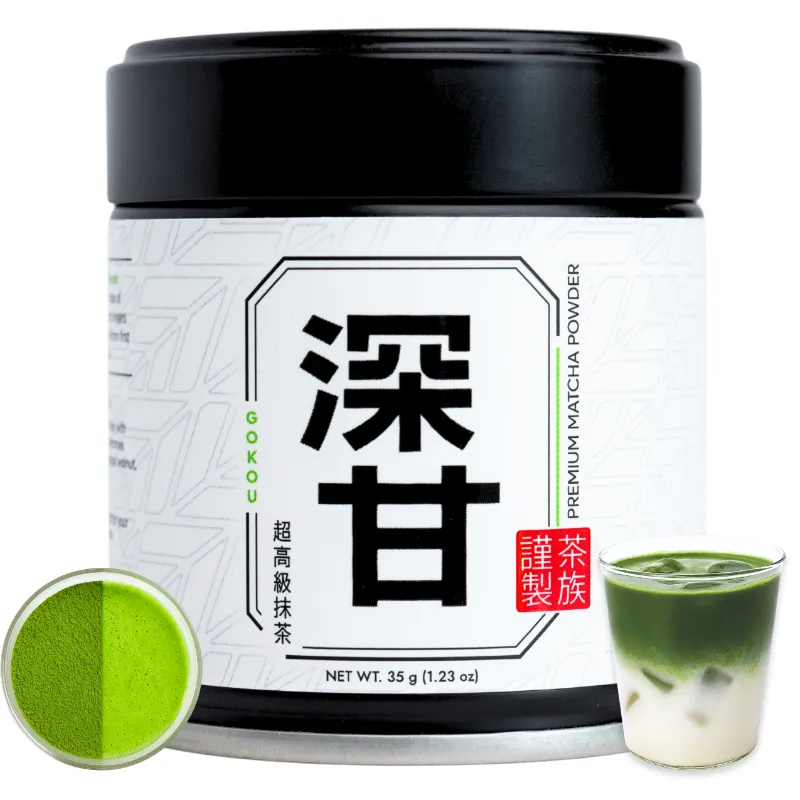
Okumidori matcha stays fresh for 1 to 2 months after opening when stored correctly, though it remains safe to drink for up to 6 months with gradual loss of flavor, color, and antioxidant potency. Ceremonial-grade matcha oxidizes faster than lower grades because of its delicate processing and fine grind, so proper storage matters more than the date stamped on the tin. We tested multiple cultivars including gokou matcha, yabukita matcha, and saemidori matcha to understand how each responds to air exposure and light.
What Causes Okumidori Matcha to Lose Freshness
Three factors degrade matcha quality after you break the seal: oxygen, light, and heat. Oxygen triggers oxidation that dulls the vibrant green color into olive or yellow-brown and flattens the umami sweetness that makes okumidori matcha prized among cultivars. Light accelerates chlorophyll breakdown, and heat speeds up chemical reactions that turn delicate amino acids bitter.
The okumidori cultivar produces leaves especially high in theanine and chlorophyll, which deliver smooth sweetness but also make the powder more vulnerable to degradation. We notice okumidori loses its signature sweetness faster than robust yabukita once exposed to air, so quick consumption or airtight storage is critical.
How to Store Opened Matcha for Maximum Shelf Life
Follow these steps to keep your ceremonial-grade powder fresh for the full 1 to 2 months:
- Transfer to an airtight container: Glass jars with silicone-sealed lids or opaque metal tins work best. Avoid containers with loose-fitting plastic lids.
- Keep it dark: Store the container in a cupboard or pantry away from windows. Light exposure is one of the fastest freshness killers.
- Maintain cool temperatures: Room temperature (18 to 21°C) is fine for daily-use matcha. For longer storage, refrigerate the sealed container but let it reach room temperature before opening to prevent condensation.
- Use a dry matcha spoon: Moisture introduces clumping and mold risk. A matcha measuring spoon ensures consistent portions without contaminating the tin.
- Minimize air exposure: Scoop quickly and reseal immediately. Each time you open the container, oxygen rushes in.
We recommend buying matcha in smaller 30g tins if you drink it occasionally, so you finish each tin within the peak freshness window. Check the latest price and compare tin sizes before committing to a large bulk order.
Okumidori Matcha vs Other Cultivars: Freshness Comparison
Different cultivars degrade at different rates based on their amino acid profiles and leaf structure. Here's how the most popular ceremonial-grade options compare after opening:
| Cultivar | Peak Freshness | Flavor Profile When Fresh | Degradation Speed |
|---|---|---|---|
| Okumidori | 1-2 months | Sweet, mild, creamy umami | Moderate to fast |
| Gokou | 1-2 months | Rich umami, slight astringency | Moderate |
| Yabukita | 2-3 months | Balanced, grassy, robust | Slow |
| Saemidori | 1-2 months | Smooth, vegetal sweetness | Moderate |
Yabukita matcha holds up longest because it has a more resilient flavor structure and lower theanine content relative to okumidori. If you're comparing okumidori matcha vs yame (a region known for yabukita and blends), know that single-cultivar okumidori trades shelf stability for superior sweetness and smoothness when fresh.
For daily drinkers who go through 30g in two weeks, okumidori is ideal. For occasional ceremonial use, yabukita may be more forgiving if the tin sits open for a month.
Signs Your Matcha Has Gone Stale
Even within the 6-month safe-to-drink window, quality drops noticeably. Watch for these indicators that your powder has passed its prime:
- Color shift: Vibrant jade green fades to dull olive, yellow-green, or brownish tones.
- Aroma loss: Fresh matcha smells sweet, grassy, and faintly marine. Stale matcha smells flat, dusty, or slightly sour.
- Flavor bitterness: The smooth umami turns harsh, astringent, or chalky.
- Clumping: Moisture exposure causes the fine powder to cake into lumps that resist whisking.
- Reduced froth: Oxidized matcha struggles to produce the creamy foam that signals freshness.
If your okumidori matcha shows two or more of these signs, it's better suited for lattes or baking than ceremonial whisking. The antioxidant content drops alongside flavor, so you lose some of the health benefits that make ceremonial-grade worth the investment.
Refrigeration and Freezing: Do They Help?
Refrigerating unopened matcha extends shelf life significantly, sometimes up to 12 months, by slowing oxidation. Once you open the tin, refrigeration still helps but introduces condensation risk. If you refrigerate opened matcha, follow these rules:
- Seal the container in a zip-top bag to create a double barrier against moisture.
- Let the sealed bag sit at room temperature for 15 to 20 minutes before opening, so condensation forms on the bag instead of inside the tin.
- Never scoop directly from a cold tin. Temperature shock introduces water droplets that ruin the powder.
Freezing works the same way but requires even more careful thawing. We find refrigeration overkill for daily-use matcha you'll finish in a month. Save it for backup tins or special-occasion powder you want to preserve longer. Grab the code and stock up on multiple small tins instead of freezing one large batch.
Buying Fresh Matcha: What to Look For
Freshness starts before you even open the tin. When shopping for okumidori matcha or other ceremonial grades, prioritize these factors:
- Harvest date: Look for current-year spring harvest (first flush). Matcha older than 12 months at purchase has minimal freshness runway left.
- Opaque packaging: Tins or foil pouches block light better than clear bags or jars.
- Small batch roasting: Producers who stone-grind to order deliver fresher powder than mass-produced inventory.
- Nitrogen flushing: Some premium brands flush tins with nitrogen to displace oxygen before sealing, extending unopened shelf life to 18 months.
Reviews on sites like Tea Critic help verify freshness claims, but harvest date is the most reliable indicator. If a seller won't share the production date, that's a red flag.
When you order from Chazoku, check current discounts to save 14% on fresh-crop ceremonial matcha including okumidori, gokou, and saemidori cultivars.
Frequently asked questions
How can you tell if okumidori matcha has gone bad?
Fresh okumidori matcha is vibrant jade green with a sweet, grassy aroma. If the powder turns dull olive or brownish, smells flat or sour, or tastes bitter instead of smooth and umami-rich, it has oxidized and lost quality. Clumping and poor froth formation are also signs of staleness.
Should I refrigerate ceremonial grade matcha after opening?
Refrigeration extends freshness but introduces condensation risk. If you refrigerate opened matcha, seal the tin in a zip-top bag and let it reach room temperature for 15 to 20 minutes before opening. For daily-use matcha you'll finish in a month, room-temperature storage in an airtight, dark container is simpler and sufficient.
Can I still drink matcha after the expiration date?
Yes, matcha remains safe to drink for up to 6 months or more past opening if stored properly. However, flavor, color, and antioxidant potency degrade significantly after the first 1 to 2 months. Stale matcha works fine for lattes or baking but disappoints in traditional ceremonial preparation.
Does okumidori matcha last as long as yabukita cultivar?
No, okumidori matcha typically loses freshness faster than yabukita because of its higher theanine and chlorophyll content. Okumidori peaks at 1 to 2 months after opening, while yabukita can maintain quality for 2 to 3 months under the same storage conditions.
How should I measure matcha to avoid contaminating the tin?
Use a dry matcha spoon or measuring spoon dedicated to tea, and work quickly to minimize air exposure. Never scoop with a wet utensil or directly after washing your hands, as moisture causes clumping and mold growth.
What size tin should I buy if I drink matcha twice a week?
A 30g tin is ideal for twice-weekly drinking, as you'll finish it within the peak 1 to 2 month freshness window. Larger 100g tins make sense only if you drink matcha daily or can store unopened backup tins in the refrigerator.