
How Often Should You Replace Your Tissot Leather Strap?

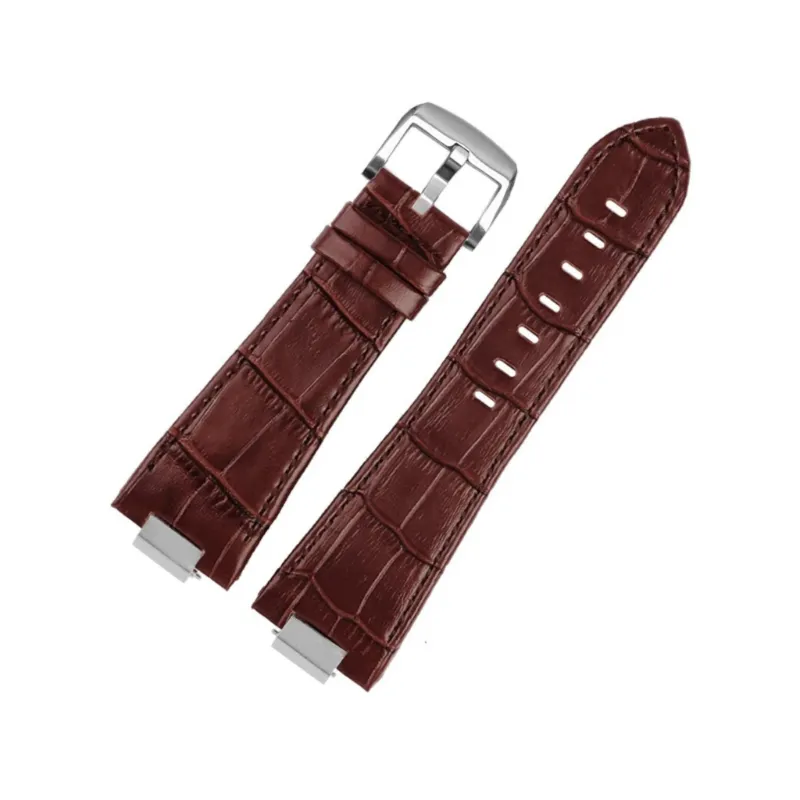
How Often Should You Replace Your Tissot Leather Strap?
A tissot leather strap typically needs replacement every 18 to 36 months, though daily wearers in humid climates may see degradation closer to 12 months while occasional users can stretch a well-maintained strap beyond three years. The actual lifespan depends on how often you wear the watch, your skin chemistry, exposure to moisture, and how diligently you care for the leather.
We test dozens of watch straps each year, and leather remains one of the most elegant yet perishable materials in horology. Unlike metal bracelets or rubber alternatives, leather straps absorb sweat, oils, and moisture that accelerate breakdown. Understanding the warning signs and replacement triggers helps you maintain both the comfort and appearance of your timepiece.
Signs Your Tissot Leather Strap Needs Immediate Replacement
Watch for these clear indicators that your strap has reached the end of its service life:
- Cracks or splits near the lugs or buckle holes, especially on the underside where flexing concentrates stress
- Stiffness or brittleness that prevents the strap from conforming naturally to your wrist
- Persistent odor that survives cleaning, signaling deep bacterial colonization in the leather fibers
- Discoloration or darkening around contact zones where sweat has permanently stained the material
- Stretched holes that no longer hold the buckle tang securely, causing the watch to slip or rotate
- Delamination where the leather layers separate or the lining peels away from the outer shell
When you notice two or more of these symptoms, replacement becomes urgent rather than optional. A failing strap risks dropping your watch, and the discomfort of cracked leather against skin makes daily wear unpleasant. Browse our curated tissot leather strap options or check the latest pricing to find your replacement.
Factors That Shorten Leather Strap Lifespan
Several variables compress the replacement timeline below the typical 18 to 36 month window:
Daily wear in active environments subjects the strap to constant flexing, sweat exposure, and UV radiation. Office workers who remove their watch during workouts extend strap life significantly compared to those who wear it through exercise sessions.
High humidity and perspiration accelerate leather breakdown. Tropical climates, summer months, and individuals with naturally oily skin see faster degradation. Moisture penetrates the leather fibers, weakening the structural bonds and promoting bacterial growth that causes odor and rot.
Infrequent cleaning allows salt deposits from sweat to accumulate, drawing more moisture into the leather and creating a destructive cycle. Wiping your strap with a barely damp cloth weekly removes surface contaminants before they penetrate.
Exposure to water remains leather's nemesis. Even water-resistant watches should have their leather straps removed before swimming or showering. For aquatic activities, consider alternatives like the tissot prx rubber strap or rolex rubber strap, which tolerate full submersion without degradation.
Tight fit settings concentrate stress at specific flex points, causing premature cracking. Your strap should allow one finger to slide comfortably between the leather and your wrist.
How to Extend Your Tissot Leather Strap Life
Proper maintenance routines can push a quality leather strap toward the upper end of the replacement range:
- Rotate between straps if you own multiple watches or bands. Giving leather 24 to 48 hours to fully dry between wearings prevents moisture accumulation. Many collectors keep a second tissot watch bands option for rotation.
- Clean weekly with minimal moisture. Use a microfiber cloth very slightly dampened with water to wipe both sides of the strap, then dry immediately with a separate dry cloth. Avoid soaking or applying leather cleaners more than quarterly.
- Condition sparingly. Apply a neutral leather conditioner every three to four months, focusing on the outer surface. Over-conditioning softens the leather excessively and accelerates stretching.
- Store properly when not wearing. Keep your watch in a cool, dry location away from direct sunlight. Avoid storing in humid bathrooms or sealed containers that trap moisture.
- Remove for high-risk activities. Take off your watch before exercise, swimming, cooking, or any activity involving prolonged moisture exposure or harsh chemicals.
Find the original watch strap for your Tissot if you prefer OEM replacements that match your model's original specifications exactly.
Tissot Leather Strap Replacement Options
When replacement time arrives, you face several paths depending on your priorities:
| Option | Best For | Considerations |
|---|---|---|
| OEM Tissot straps | Exact match to original | Higher cost, guaranteed fit |
| Third-party leather | Customization, value | Verify lug width carefully |
| Alternative materials | Active lifestyles | Rubber/silicone for water exposure |
Sizing matters critically. Most Tissot models use 20mm or 22mm lug widths, though vintage and specialized models vary. The Tissot 1853 strap size depends on the specific collection, so measure your current strap or check your model documentation before ordering. A tissot watch strap 22mm won't fit a 20mm case, and forcing mismatched hardware damages the lugs.
Material alternatives suit specific use cases. The tissot prx rubber strap handles water exposure and active wear that destroys leather in months. Other brands offer similar solutions: moonswatch straps for playful NATO-style options, or premium choices like the cartier santos leather strap and cartier tank leather strap for collectors interested in cross-brand compatibility with appropriate lug widths.
Discount codes make regular replacement economically sensible. Grab the code for 10% off all orders, which offsets the recurring cost of maintaining fresh leather straps.
When to Choose Leather vs. Alternative Straps
Leather delivers unmatched elegance and comfort for dress watches and daily office wear, but recognizing when to switch materials prevents frustration:
Choose leather when you wear your Tissot primarily indoors, in professional settings, or for special occasions. The tactile warmth and visual refinement of leather complements formal attire better than any synthetic alternative.
Switch to rubber or metal when your lifestyle includes regular swimming, intense workouts, tropical travel, or outdoor work. A rolex rubber strap or similar option eliminates replacement anxiety during active pursuits.
Consider seasonal rotation where you wear leather during fall and winter months when lower temperatures reduce perspiration, then swap to rubber alternatives like the tissot prx rubber strap during humid summer months.
The omega speedmaster band and tag heuer watch bands demonstrate how premium brands offer both leather and metal options precisely because no single material suits every situation. Matching your strap choice to your actual wearing patterns extends longevity and preserves comfort.
Tissot T-Touch and PRX Leather Strap Considerations
Specific Tissot collections present unique replacement considerations:
Tissot T-Touch models combine advanced touch-screen technology with traditional design, and their t-touch strap replacement requires careful attention to lug width and thickness. The electronics housing creates specific clearance requirements that some third-party straps fail to accommodate.
Tissot PRX has surged in popularity, driving demand for both leather and alternative strap options. The tissot leather strap prx variant maintains the integrated bracelet aesthetic while offering leather's comfort. When replacement time arrives, verify that your chosen strap matches the PRX's distinctive case profile.
Metal strap replacement considerations apply when you want to switch from leather to metal rather than leather to leather. Tissot metal strap replacement typically requires different spring bars and sometimes professional installation due to bracelet end-link fitment.
Replacement timing remains consistent across collections: watch for the physical degradation signs, plan for 18 to 36 months of service life, and maintain your strap diligently to reach the upper end of that range. Quality leather from any manufacturer, whether Tissot OEM or premium third-party sources, responds to the same care principles and exhibits similar wear patterns.
Frequently asked questions
How long does a Tissot leather strap typically last?
A Tissot leather strap typically lasts 18 to 36 months with normal wear. Daily wearers in humid climates may need replacement closer to 12 months, while occasional users with good care habits can extend life beyond three years.
Can I shower or swim with my Tissot leather strap?
No, you should remove your Tissot leather strap before showering or swimming. Water exposure causes leather to crack, lose shape, and develop odor. Consider switching to a rubber strap for water activities.
What size strap do I need for my Tissot watch?
Most Tissot models use 20mm or 22mm lug widths, though this varies by collection. Measure your current strap between the lugs or check your model specifications before ordering a replacement.
How do I clean my Tissot leather watch strap?
Wipe your leather strap weekly with a barely damp microfiber cloth, then dry immediately with a separate dry cloth. Apply neutral leather conditioner sparingly every three to four months, and never soak the leather.
Should I replace my leather strap with the same material?
It depends on your lifestyle. Leather suits office and formal wear best, while rubber straps handle active use, water exposure, and humid climates better. Many owners rotate between both materials seasonally.
Where can I find replacement straps for Tissot watches?
You can purchase OEM Tissot straps from authorized dealers or choose third-party options that match your lug width. Always verify sizing compatibility before ordering, and check for discount codes to save on regular replacements.