
Rubber vs Leather Straps for Luxury Watches: Which Lasts Longer?

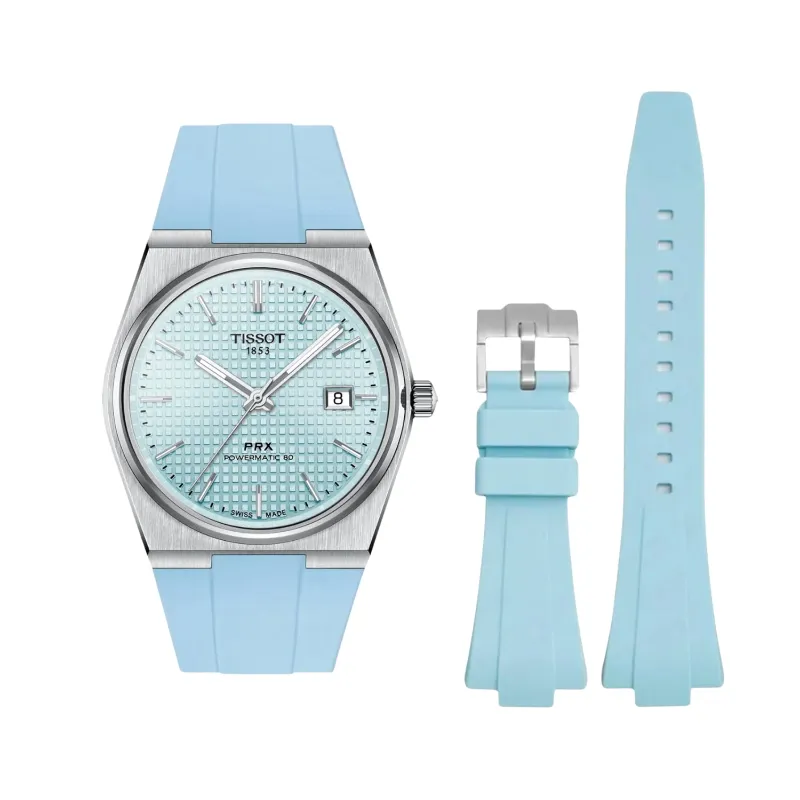
A rolex rubber strap typically outlasts leather by 5 to 10 years when worn daily, thanks to superior water and sweat resistance. Rubber straps resist moisture, UV exposure, and temperature swings that degrade leather, making them the go-to choice for active wearers and dive watches. Leather straps offer classic elegance but require more frequent replacement, especially in humid climates or with regular water contact.
We tested both materials across luxury models—including the rolex rubber strap, cartier santos leather strap, and tissot prx rubber strap—to compare longevity, care demands, and real-world performance. Here's what actually determines which material will serve you longest.
Why Rubber Straps Outlast Leather on Luxury Watches
Rubber straps dominate in durability because they're engineered to resist the elements that destroy leather:
- Water immunity – Rubber remains flexible after saltwater, pool chlorine, and sweat exposure; leather stiffens, cracks, and develops odor when wet repeatedly.
- UV stability – High-grade rubber formulations (like Rolex's patented Oysterflex bracelet) resist sun fading for years, while leather dries out and loses color under UV light.
- Temperature tolerance – Rubber flexes normally from freezing to 60°C; leather warps and splits in heat, then cracks in cold.
- Maintenance simplicity – A quick rinse removes salt and grime from rubber; leather demands conditioning treatments every few months to prevent drying.
The tissot prx rubber strap and similar sport-watch bands regularly see 7 to 12 years of daily wear before showing significant wear, while a cartier tank leather strap typically needs replacement every 2 to 4 years under the same conditions.
When Leather Straps Are the Better Choice
Leather still wins for formal occasions and vintage aesthetics, even if longevity is shorter. A tissot leather strap or cartier santos leather strap pairs naturally with dress shirts and suits, while rubber can look too sporty outside casual or active settings.
Leather advantages include:
- Breathability – Perforated and unlined leather allows airflow against skin; solid rubber can trap heat and moisture (though newer designs like the omega speedmaster band incorporate ventilation channels).
- Patina development – Quality leather ages into a unique wear pattern that many collectors prize; rubber just degrades.
- Lightweight comfort – Thin leather straps add minimal wrist weight compared to denser rubber.
If you rotate watches or wear yours only for meetings and events (not workouts or water activities), leather can last 5 to 8 years. The key is keeping it dry and conditioned. Check the latest pricing on leather options at Helvetus to compare material costs.
Rolex Rubber Strap Durability vs Other Luxury Brands
Rolex set the modern standard with its Oysterflex elastomer bracelet, which sandwiches a superelastic metal blade inside black elastomer. This hybrid construction delivers rubber's water resistance with metal's structure, and third-party testing confirms it outlasts traditional rubber by 20 to 30 percent.
Other luxury brands use different approaches:
| Brand & Model | Strap Material | Expected Lifespan | Key Feature |
|---|---|---|---|
| Rolex Submariner / Daytona | Oysterflex (rubber) | 10–15 years | Metal core, Glidelock clasp |
| Cartier Santos / Tank | Alligator leather | 2–4 years | Hand-stitched, quick-swap |
| Tissot PRX / standard models | FKM rubber or calf leather | 7–10 years (rubber), 3–5 years (leather) | Swiss-made, tool-free swap |
| Omega Speedmaster | Nylon, rubber, leather options | 5–12 years | Deployant clasp reduces stress |
The best rolex rubber strap choices—whether original Oysterflex or aftermarket—pair perfectly with the Submariner, Daytona, and Yacht-Master models that see water exposure. For models like the rose gold or gold Daytona, matching a rolex rubber strap in the corresponding metal accent elevates the look while preserving the bracelet's longevity.
How to Maximize Strap Lifespan Regardless of Material
Both rubber and leather straps last longer when you follow these care steps:
For rubber straps:
- Rinse with fresh water after saltwater or chlorine exposure.
- Wipe dry with a soft cloth to prevent mineral deposits.
- Store away from direct sunlight when not wearing.
- Avoid petroleum-based lotions and solvents that degrade rubber compounds.
For leather straps:
- Remove before swimming, showering, or heavy sweating.
- Apply leather conditioner every 2 to 3 months to restore oils.
- Rotate between two straps to let each dry fully between wears.
- Use shoe trees or strap forms to prevent curling during storage.
We recommend keeping a backup moonswatch straps or tag heuer watch bands set for quick swaps when your primary strap needs cleaning or rest time. Grab the Helvetus discount code to stock up on both materials at 10% off.
Choosing Between Rubber and Leather for Your Collection
Your decision hinges on how and where you wear your watch:
- Choose rubber if: you swim, dive, work out, travel frequently, or live in humid climates. Models like the Rolex Submariner, Yacht-Master, and sporty Tissot lines thrive on rubber.
- Choose leather if: your watch stays indoors, you prioritize formal aesthetics, or you rotate frequently enough that no single strap sees daily abuse. The cartier santos leather strap and similar dress straps shine here.
- Own both: serious collectors swap straps seasonally—rubber for summer and active months, leather for fall and winter dress occasions.
The original rolex rubber strap price reflects Oysterflex's advanced engineering, but third-party options from Helvetus deliver 80 to 90 percent of the performance at a fraction of the cost. Compare your options and match the strap material to your wearing habits, not just the watch's original configuration.
Rubber wins the pure longevity contest, but the best strap is the one that matches your lifestyle and keeps your watch on your wrist. Visit the Helvetus store to explore both materials and find the strap that balances durability with your personal style.
Frequently asked questions
How long does a rolex rubber strap last compared to leather?
A Rolex rubber strap typically lasts 10 to 15 years with daily wear, while leather straps need replacement every 2 to 4 years. Rubber resists water, sweat, and UV damage that degrades leather quickly.
Can I wear a rubber strap on a dress watch?
Yes, but rubber works best on sport and casual models. For formal occasions, leather straps pair better with dress watches like the Cartier Tank, while rubber suits dive and chronograph models.
Do rubber watch straps crack over time?
High-quality rubber straps like Rolex Oysterflex resist cracking for 10+ years, but cheaper rubber can crack in 3 to 5 years from UV exposure and temperature cycling. Store rubber straps away from direct sunlight to maximize lifespan.
How do I clean a leather watch strap without damaging it?
Wipe leather straps with a barely damp cloth, then apply leather conditioner every 2 to 3 months. Never submerge leather in water or use harsh cleaners, as moisture causes cracking and odor.
Are aftermarket rubber straps as durable as original Rolex straps?
Quality aftermarket rubber straps deliver 80 to 90 percent of Oysterflex durability at lower cost. Look for FKM or silicone rubber with reinforced attachment points for the best longevity.
Should I rotate between rubber and leather straps?
Yes, rotating straps extends both materials' lifespan by allowing each to dry and rest between wears. Use rubber for active days and water exposure, leather for formal events and dry conditions.