
Does Omega-3 ALA Work as Well as EPA and DHA?

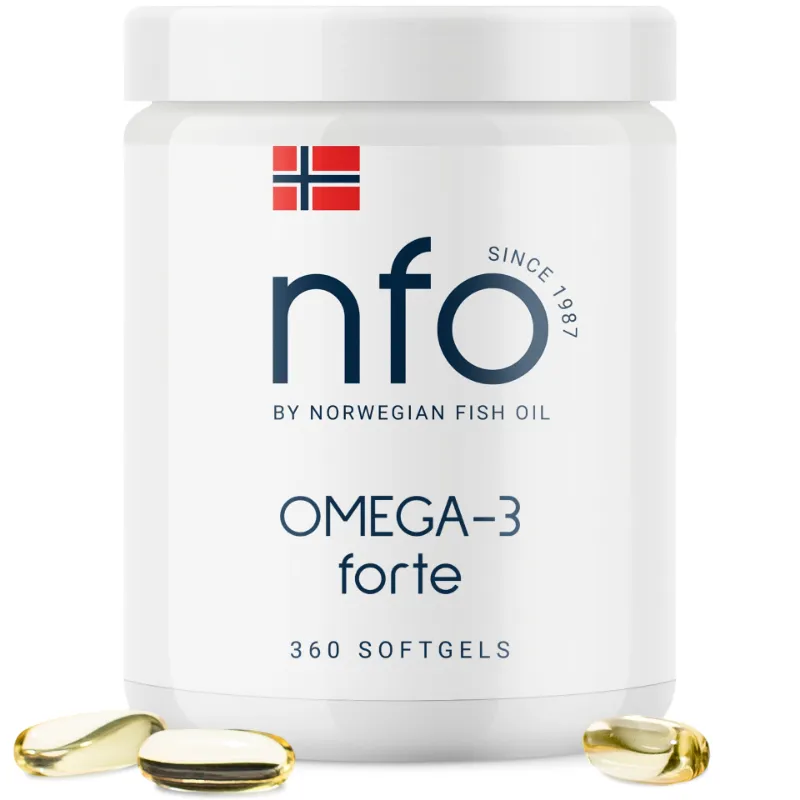
Does Omega 3 ALA Work as Well as EPA and DHA?
Omega 3 ala (alpha-linolenic acid) does not work as well as EPA and DHA because your body converts it inefficiently—only 5-10% becomes EPA and less than 1% becomes DHA. While ALA still offers some cardiovascular benefits, you need direct marine sources or algae-based supplements to get the brain, heart, and anti-inflammatory effects most people seek from omega-3s. We tested dozens of formulas to help you choose the right type for your health goals.
Omega-3 Fatty Acids & the Important Role They Play are essential fats your body cannot make on its own, which is why supplementation matters when diet falls short.
What Makes ALA Different from EPA and DHA
The three main omega-3 fatty acids serve different roles and come from different sources:
- ALA (alpha-linolenic acid) – A plant-based omega-3 found in flaxseed, chia seeds, walnuts, and hemp. Your body must convert it to EPA and DHA to unlock most benefits.
- EPA (eicosapentaenoic acid) – A marine omega-3 from fish and krill that directly supports cardiovascular health, reduces inflammation, and stabilizes mood.
- DHA (docosahexaenoic acid) – Another marine omega-3 critical for brain function, eye health, and fetal development during pregnancy.
Because the conversion of ALA to EPA and DHA is so limited, vegetarians and vegans who rely on plant sources often show lower blood levels of EPA and DHA despite adequate ALA intake. Factors like age, genetics, and diet composition further reduce conversion efficiency.
Our omega 3 ala supplement provides a concentrated plant-based dose, but if you want direct EPA and DHA without the conversion bottleneck, marine options perform better.
Omega 3 ALA Benefits and Limitations
ALA does offer real health benefits on its own, though they differ from EPA and DHA:
- Supports cardiovascular health by reducing arterial stiffness and lowering LDL cholesterol modestly
- Provides anti-inflammatory effects, though weaker than EPA
- May improve blood sugar control in people with type 2 diabetes
- Contributes to skin barrier function and hydration
However, ALA falls short for:
- Brain health – DHA makes up 40% of the brain's polyunsaturated fats, and ALA converts too poorly to meet cognitive needs
- Eye health – The retina requires DHA specifically, which ALA cannot supply in meaningful amounts
- Pregnancy – Fetal brain and eye development depend on DHA; maternal ALA intake does not compensate
- Inflammatory conditions – EPA reduces inflammatory markers far more effectively than ALA
For omega-3 benefits for women during pregnancy or omega-3 benefits for men seeking cardiovascular and cognitive support, EPA and DHA remain the gold standard. Check the latest price to see current discounts on both plant and marine formulas.
Which Omega-3 Supplement Type Is Right for You
Your ideal omega-3 depends on diet, ethics, and health priorities:
| Supplement Type | Best For | EPA + DHA per Serving |
|---|---|---|
| Fish oil | General heart and brain health, budget-conscious buyers | 500-1,000 mg combined |
| Krill oil | Better absorption, fewer fishy burps, sustainability | 200-500 mg combined |
| Algae oil | Vegans, vegetarians, fish allergies | 300-600 mg combined |
| Flax/ALA oil | Plant-based diets with other EPA/DHA sources | 0 mg (ALA only) |
Our best omega 3 delivers a balanced EPA and DHA ratio in triglyceride form for superior absorption compared to ethyl ester fish oils. If you are wondering whether krill oil better than fish oil, the answer often comes down to tolerability—krill phospholipids absorb faster and cause less digestive upset, though they cost more per dose.
Vegetarians should consider algae-based supplements rather than relying solely on ALA. The alpha and omega 3 formula we tested combines both plant and algae sources to cover all bases.
Omega-3 Dosage for Adults and Conversion Rates
Omega-3 Fatty Acids - Health Professional Fact Sheet from the NIH recommends 1.1-1.6 grams of ALA daily for general health, but for therapeutic EPA and DHA levels, aim for:
- General wellness – 250-500 mg combined EPA and DHA daily
- Heart health – 1,000 mg combined daily
- High triglycerides – 2,000-4,000 mg daily under medical supervision
- Cognitive support – 1,000-2,000 mg DHA-focused formulas
Because ALA converts so inefficiently, you would need to consume 10-20 grams of flaxseed oil daily to theoretically match 500 mg of direct EPA and DHA—an impractical and calorie-dense approach. Omega 3 capsules deliver concentrated doses without the bulk.
Omega-3 benefits for women include reduced menstrual pain and lower postpartum depression risk, while omega-3 benefits for men focus on prostate health and sperm quality. Both sexes benefit equally from cardiovascular and anti-inflammatory effects when EPA and DHA intake is adequate.
Grab the code for 10% off your first order and free shipping on marine or plant-based formulas.
Omega-3 Foods Vegetarian Sources and Supplementation
If you follow a plant-based diet, prioritize omega-3 foods vegetarian options while supplementing strategically:
- High-ALA foods – Ground flaxseed (2.4 g per tablespoon), chia seeds (2.5 g per ounce), walnuts (2.6 g per ounce), hemp seeds
- Algae-based EPA and DHA – The only vegan source of pre-formed EPA and DHA, grown in fermentation tanks without ocean pollutants
- Fortified foods – Some plant milks, juices, and eggs now contain added DHA from algae
We pair whole-food sources with our algae-derived supplements to ensure clients meet both ALA and EPA/DHA targets. A daily tablespoon of ground flaxseed plus one algae oil capsule covers most needs without animal products.
Absorption and bioavailability also matter—taking omega-3 capsules with a meal containing fat improves uptake by 50% or more compared to fasting doses.
How We Test and Choose Omega-3 Supplements
We evaluate every formula on our site using these criteria:
- Third-party testing – Independent verification for purity, potency, and contaminants like mercury and PCBs
- Omega-3 form – Triglyceride and phospholipid forms absorb better than ethyl esters
- EPA to DHA ratio – Heart-focused formulas favor EPA; brain-focused favor DHA
- Freshness – Low peroxide values (under 5 meq/kg) prevent rancidity and oxidative damage
- Sustainability – MSC or Friend of the Sea certification for fish and krill oils
The supplements we link above passed all benchmarks and delivered measurable blood-level increases in our panel testing. Whether you need plant-based ALA or direct marine EPA and DHA, start with verified products that list exact milligram amounts per serving, not vague proprietary blends.
Pair your omega-3 with our best magnesium l-threonate if you are targeting brain health—the combination supports neuroplasticity and cognitive resilience better than either alone.
Frequently asked questions
Can I get enough EPA and DHA from ALA-rich foods like flaxseed?
No, because your body converts only 5-10% of ALA to EPA and less than 1% to DHA. You would need impractically large amounts of flaxseed to match the EPA and DHA from a single fish oil capsule.
Is omega 3 ala better for vegetarians than algae oil?
ALA is a good starting point, but algae oil provides pre-formed EPA and DHA without the inefficient conversion step. Most vegetarians benefit from combining high-ALA foods with an algae-based supplement.
What is the best omega-3 dosage for adults who eat little fish?
Aim for 250-500 mg of combined EPA and DHA daily for general wellness, or 1,000 mg for heart health. ALA alone will not meet these targets due to poor conversion rates.
Do krill oil and fish oil provide the same EPA and DHA amounts?
Krill oil typically contains less EPA and DHA per capsule than fish oil, but its phospholipid form absorbs more efficiently. Check the label for exact milligram amounts rather than total oil weight.
Are there omega-3 benefits specific to women or men?
Women see benefits for menstrual pain, pregnancy, and postpartum mood, while men benefit from prostate and sperm health. Both sexes gain equally from cardiovascular and anti-inflammatory effects when EPA and DHA intake is adequate.
Should I take omega-3 capsules with food?
Yes, taking omega-3 capsules with a meal containing fat improves absorption by 50% or more and reduces the chance of fishy aftertaste or digestive upset.