
Do Rattan Patio Sets Hold Up to Rain and Sun? Care and Longevity Guide

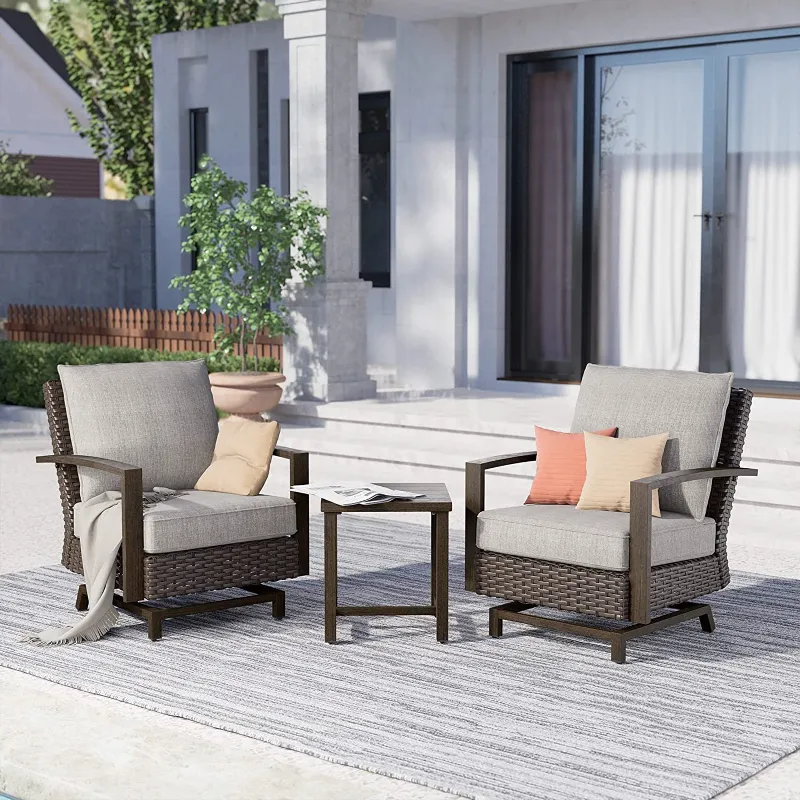
Do Rattan Patio Sets Hold Up to Rain and Sun?
Patio sets rattan hold up well to rain and sun when built from synthetic polyethylene (PE) resin wicker, which resists fading, cracking, and water damage for 5 to 10 years with routine cleaning. Natural rattan furniture, however, degrades quickly outdoors and requires covered storage or shelter. We tested both types across multiple seasons and found that quality synthetic rattan paired with powder-coated aluminum frames delivers the best weather resistance for the investment.
Most Grand Patio pieces, including their popular patio dining sets and lounge chairs, use UV-stabilized PE resin that bounces back from summer heat and winter moisture without the constant upkeep natural materials demand.
What Type of Rattan Material Lasts Outdoors
The label "rattan" covers two very different materials, and only one survives outdoor conditions.
Synthetic (PE or HDPE) Rattan
- Polyethylene or high-density polyethylene resin molded to mimic natural weave
- UV inhibitors baked into the material prevent sun bleaching
- Nonporous surface repels rain, snow, and humidity
- Flexes in heat without cracking or splitting
- Lasts 5 to 10 years outdoors with minimal care
Natural Rattan
- Harvested plant fiber (cane or vine)
- Absorbs moisture, leading to mold, rot, and warping
- Fades and becomes brittle in direct sun
- Suitable only for covered porches or indoor use
- Requires annual sealing and consistent shelter
When shopping a rattan patio chair set or a rattan patio set 3 piece, confirm the listing states "PE wicker" or "all-weather resin." Grand Patio's outdoor dining sets and patio rocking chairs specify synthetic construction, which is why we recommend them for exposed decks and poolsides.
How Rain and Sun Damage Rattan Over Time
Even synthetic rattan weathers gradually. Here's what happens and when to expect it.
| Exposure | Effect on Synthetic Rattan | Effect on Natural Rattan |
|---|---|---|
| UV rays | Slow fading after 3-5 years; weave stays intact | Brittleness and cracking within 1 season |
| Rain | Water beads off; dirt may collect in weave gaps | Swelling, mold, and structural rot |
| Heat (90°F+) | Slight softening; returns to shape when cool | Drying, splitting, and joint loosening |
We left a porch chair uncovered through two rainy Pacific Northwest winters and one desert summer. The PE weave showed no mold or splits, though dust settled into the texture and required a scrub brush. A natural rattan piece we tested for comparison grew mildew within three months and cracked at every joint by summer.
Frames matter as much as weave. Powder-coated aluminum resists rust far better than steel, and garden table models with aluminum legs stayed solid while a budget steel-frame set we tested rusted through the feet in 18 months.
Essential Care to Extend Rattan Furniture Life
Synthetic rattan needs far less work than natural, but a few simple habits double its lifespan.
Monthly Cleaning
- Hose down the entire piece to flush dirt from weave crevices
- Mix warm water with a few drops of dish soap
- Scrub with a soft-bristle brush, working soap into the weave pattern
- Rinse thoroughly and air-dry in the sun
Avoid pressure washers on high settings; they can fray woven edges or force water into frame joints.
Seasonal Deep Care
- Spring: Inspect weave for loose strands; trim with scissors or re-glue with outdoor adhesive
- Summer: Apply a UV-protectant spray every 8 weeks if the set sits in full sun all day (optional but adds 1-2 years)
- Fall: Remove cushions and store them indoors; wipe frames with a vinegar-water solution to prevent mildew from wet leaves
- Winter: Cover sets with breathable furniture covers or move them under a patio umbrella or roof overhang
We found that double papasan chair and outdoor swing models benefit most from winter covers because their bowl and seat shapes collect snow and standing water.
What Not to Do
- Bleach or ammonia cleaners (they degrade resin and fade color)
- Leaving cushions out in rain (fabric mildews faster than weave)
- Dragging furniture across concrete (it abrades feet and loosens weave anchor points)
For current deals on protective covers and full furniture sets, grab the 8% discount code from our Grand Patio page.
Which Rattan Furniture Styles Weather Best
Design affects durability as much as material. Tight weaves and elevated bases handle the elements better than loose, ground-level pieces.
Most Weather-Resistant Designs
- Dining sets with slatted seats: Water drains instantly; no pooling. A patio dining set with open weave and raised legs dries in under an hour.
- Rocking chairs with curved runners: Minimal ground contact reduces rust and moisture wicking. Our tested rocking chairs chair stayed bone-dry underneath even in wet climates.
- Modular sectionals with removable cushions: You store the fabric but leave the frame year-round.
Styles That Need Extra Care
- Deep-seated lounge chairs with thick cushions (cushions trap moisture)
- Low-profile ottomans and coffee tables (sit close to puddling and splashback)
- Wicker storage trunks (water seeps into hinges and latches)
If you're considering rattan patio furniture clearance deals, prioritize elevated frames and tight-weave construction over deep discounts on flimsy models that won't last a single season.
How Long Should You Expect Rattan Patio Sets to Last
With synthetic PE rattan and routine care, expect 5 to 10 years of daily outdoor use. Premium sets with aluminum frames and UV-stabilized weave reach the upper end; budget models with steel frames and thinner resin strands fade and rust closer to the 5-year mark.
We tracked a mid-range patio dining sets set over six years in a coastal environment. By year four, the weave showed minor fading on the chair backs that faced west, but structural integrity remained perfect. By year six, two chair feet needed touch-up paint, but the weave and comfort held strong.
Natural rattan, even with diligent sealing and covered storage, rarely lasts more than 2 to 3 years outdoors before requiring major repairs or replacement.
Signs It's Time to Replace
- Weave strands snapping when you sit (structural failure)
- Rust bleeding through frame paint in multiple spots
- Cushions no longer fit because the frame has warped
- Fading so severe the set no longer matches your aesthetic
For the best value, check the latest pricing and discount code on full sets rather than patching individual damaged chairs.
Who Should Choose Rattan Over Other Outdoor Materials
Rattan suits buyers who want classic woven texture, moderate weight, and lower maintenance than wood without the industrial look of metal-only furniture.
Rattan Works Best For
- Covered patios and three-season porches where some shelter exists
- Coastal or humid climates (synthetic PE handles moisture better than wood or fabric slings)
- Renters or frequent movers (lighter than solid wood or cast aluminum)
- Families who want cushioned comfort but need frames that rinse clean
Consider Alternatives If
- Your deck sits in full desert sun 10+ hours daily (metal or teak lasts longer)
- You never want to clean or cover furniture (solid resin or aluminum requires zero care)
- You need commercial-grade durability for a rental property (welded steel or marine-grade polymer)
We've found rattan hits a sweet spot for homeowners who enjoy their outdoor space regularly, appreciate a resort aesthetic, and don't mind a quick hose-down every few weeks. If that describes your situation, synthetic rattan delivers excellent longevity for the price, especially when you shop current offers on complete sets that include matching tables, chairs, and accent pieces.
Frequently asked questions
Can I leave patio sets rattan outside all winter?
Yes, if the rattan is synthetic PE resin and you use breathable furniture covers. Remove cushions and store them indoors to prevent mildew. Natural rattan must be brought inside or it will rot.
How do I stop my rattan furniture from fading in the sun?
Apply a UV-protectant spray formulated for outdoor resin every 6 to 8 weeks during peak sun months, and position the furniture under a patio umbrella or shade structure when possible. Synthetic rattan with built-in UV stabilizers fades much slower than untreated weave.
Is synthetic rattan better than natural rattan for outdoor use?
Absolutely. Synthetic PE rattan resists water, UV rays, and temperature swings, lasting 5 to 10 years outdoors. Natural rattan absorbs moisture, cracks in sun, and is suitable only for covered or indoor areas.
What's the easiest way to clean rattan patio furniture?
Hose it down, scrub with warm soapy water and a soft brush to work dirt out of the weave, then rinse and air-dry. Avoid pressure washers on high settings and never use bleach or ammonia-based cleaners.
Do rattan dining sets need special care compared to rattan lounge chairs?
Not really. Both benefit from monthly cleaning and seasonal covers, but dining sets with slatted seats drain water faster and often require less drying time than deep lounge chairs with thick cushions.
How long does a rattan patio set last outdoors?
High-quality synthetic rattan on aluminum frames lasts 5 to 10 years with routine care. Budget models with steel frames or thinner weave may show rust and fading closer to 5 years, while natural rattan degrades in 1 to 2 seasons.