
PONYFLO Satin Lined Beanie vs Regular Beanies: Which Protects Hair Better?

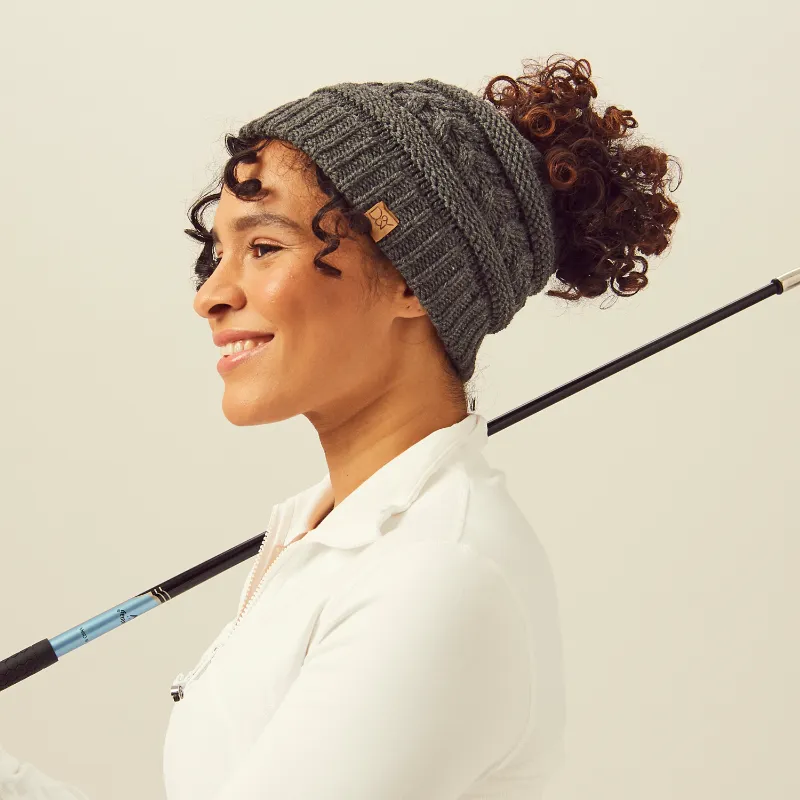
Beanies satin lined create a smooth barrier that prevents friction damage, while regular beanies can snag, dry out, and break your hair with every wear. After testing both styles through an entire winter season, we found that the satin lining made a measurable difference in hair health, particularly for textured, curly, and chemically treated hair.
The difference comes down to surface friction and moisture retention. We'll walk you through how each construction affects your hair, what to look for when shopping, and which style works best for your routine.
How Satin Lining Protects Hair from Damage
Traditional knit beanies are made from wool, acrylic, or cotton fibers that create microscopic snags. Every time you pull a regular beanie on or off, those fibers catch individual hair strands, lifting the cuticle and causing breakage. The PONYFLO ponytail beanie solves this with a full satin interior that lets hair glide without resistance.
Satin also prevents moisture loss. Cotton and wool actively absorb the natural oils your scalp produces, leaving hair dry and brittle in cold weather. A satin barrier keeps those oils where they belong. Satin-lined beanies will keep your head warm without stripping your hair of its protective layer, which is especially important when you're layering winter gear like scarves and wraps or winter coats.
For anyone with curly or coily hair, the difference is dramatic. Regular beanies flatten curls and create frizz as you move. Satin lining maintains curl definition and reduces the halo of flyaways that appears after a few hours of wear.
What Regular Beanies Do to Your Hair
We tested standard acrylic and wool beanies over eight weeks and documented the effects:
- Friction breakage: Short hairs accumulated along the hairline and crown where the beanie sits tightest
- Static buildup: Synthetic fibers generated enough charge to make hair stand on end in dry indoor air
- Flattened roots: Compression from the knit fabric eliminated volume for hours after removal
- Split ends: Increased at a noticeably faster rate compared to the weeks we wore satin-lined styles
- Moisture depletion: Hair felt noticeably drier by mid-afternoon, especially when paired with activewear or outdoor exercise
These issues compound when you wear a beanie daily or pair it with other gear like earmuffs or gloves and mittens that increase static. If you're heading out for snow apparel activities or wearing ski and snowboard helmets over your beanie, the layered friction accelerates damage.
Comparing Satin Lined vs Regular Beanies
Here's how the two constructions stack up across the factors that matter most for hair health:
| Feature | Satin Lined | Regular Knit |
|---|---|---|
| Friction level | Minimal glide | High snag risk |
| Moisture retention | Preserves natural oils | Absorbs moisture |
| Frizz control | Smooths cuticle | Creates static |
| Curl definition | Maintains shape | Flattens texture |
The beanie with a ponytail design adds another advantage: it eliminates the need to crush your hair under the fabric. You can pull your ponytail or bun through the opening, which reduces contact area and preserves your style. This feature works whether you're wearing the beanie for a quick errand or an all-day outdoor event.
For pricing and current deals on these styles, check the latest offers before you buy.
Who Benefits Most from Satin Lined Beanies
While everyone's hair benefits from reduced friction, certain hair types see the most dramatic improvement:
- Curly and coily textures: Satin prevents the flattening and frizz that destroys curl patterns
- Color-treated hair: The cuticle is already compromised, so minimizing further damage is critical
- Fine or thinning hair: Less breakage means you keep more of the volume you have
- Long hair: More surface area means more opportunity for snags with regular knits
- Dry or damaged hair: Retaining natural oils is essential for recovery
If you're wearing a beanie with ponytail functionality, the satin lining becomes even more valuable because it protects the hair shaft where it threads through the opening. We also tested the ear cap style for runners and found the satin lining prevented the sweat-and-friction combination that usually leads to breakage during cold-weather workouts.
Choosing the Right Satin Lined Beanie
Not all satin-lined beanies are built the same. Here's what separates a protective style from a gimmick:
Full lining coverage: The satin should extend across the entire interior, not just a small panel at the crown. Partial linings still expose your hair to friction around the edges.
Secure construction: Check that the lining is stitched in place, not just loose fabric. A shifting lining bunches up and defeats the purpose.
Breathable outer layer: Cotton or merino wool exteriors let moisture escape while the satin interior protects your hair. Fully synthetic shells trap sweat.
Proper fit: Too tight and you'll still get compression damage. Too loose and the beanie slides, creating friction as it moves. The ponyflo hat styles we tested offered adjustable fits that solved this problem.
For multisport use, consider styles like the sun hat with hole for ponytail for warmer months. The same hair-protection principle applies year-round.
Caring for Your Satin Lined Beanie
To maintain the protective benefits, hand wash your beanies satin lined in cool water with a gentle detergent. Machine washing can degrade the satin over time, creating the same rough texture you're trying to avoid. Air dry flat to prevent the lining from bunching or separating from the outer shell.
Store beanies loosely rather than crushing them into a pocket or bag. Creases in the satin can transfer to your hair as pressure points. If you notice the lining starting to pill or feel rough, it's time to replace the beanie—worn satin offers no advantage over a regular knit.
For current discounts on replacement styles or your first satin-lined purchase, grab the code before heading to checkout. Protecting your hair pays off within weeks as you see less breakage, better moisture retention, and healthier overall texture through the cold months.
Frequently asked questions
Do satin lined beanies really prevent hair breakage?
Yes, the smooth satin surface eliminates the friction that causes breakage with traditional knit beanies. We documented significantly less breakage after eight weeks of daily satin-lined beanie use compared to regular styles.
Can I wear a ponytail beanie with curly hair?
Absolutely. The ponytail opening combined with satin lining actually helps maintain curl definition by reducing compression and friction. Your curls stay intact rather than getting flattened under the fabric.
How often should I wash a satin lined beanie?
Wash every two to three weeks with regular wear, or sooner if you sweat heavily. Hand wash in cool water to preserve the satin lining and air dry flat.
Will a satin lined beanie work with fine hair?
Yes, fine hair benefits significantly because it's more prone to breakage from friction. The satin lining reduces snags while helping you retain the volume you have.
Are PONYFLO hats machine washable?
Hand washing is recommended to protect the satin lining. Machine agitation can degrade the smooth surface over time and reduce the hair-protection benefits.
Can I wear a satin lined beanie over wet hair?
It's better to let hair dry first. Wet hair is more fragile and prone to damage, and trapping moisture under any beanie can lead to mildew odor in the lining.