
How to Wear a Ponytail Beanie Without Flattening Your Hair

A ponytail beanie keeps your hair full when you position the opening correctly, adjust the fabric tension around your crown, and choose designs with built-in volume protection like satin linings. We tested dozens of winter hats with ponytail holes and mapped out exactly how to preserve your style while staying warm.
Why Your Ponytail Beanie Flattens Hair (And How to Stop It)
Most flattening happens when the beanie sits too low on your head or when the knit fabric grips your roots too tightly. The opening should sit at your natural ponytail anchor point, not below it. When the hole is positioned lower than where you tie your hair, the beanie pulls downward and compresses your crown.
Tension matters just as much as placement. A beanie with a ponytail that fits snugly around your ears but loosely at the crown gives you warmth without crushing volume. Look for designs with ribbed bands that stop at the hairline rather than extending over your entire head.
Fabric choice changes everything. Knits with acrylic or wool blends create friction that flattens, while beanies satin lined let hair glide instead of matting. The satin barrier reduces static and preserves whatever volume you styled in before pulling the hat on.
Step-by-Step: Positioning Your Winter Hat With Ponytail Hole
We break this into four movements that take about ten seconds once you have the rhythm down.
- Tie your ponytail first at the height you want it to sit. A high ponytail beanie works best when your hair is already secured above the occipital bone.
- Fold the beanie opening outward so you can see the hole clearly. Hold it with both hands at the front edge.
- Slide the beanie forward from your forehead until the opening aligns with your ponytail base. Do not pull it down from the top.
- Thread your ponytail through the hole gently, then adjust the fabric around your hairline so it sits flat against your forehead and temples but loose at the crown.
Your ponytail should exit cleanly without any fabric pinching the hair tie. If you feel tugging when you move your head, the opening is too small or positioned incorrectly. The ponytail beanie styles we recommend have openings between 2.5 and 3.5 inches, which accommodates most ponytail thicknesses without excess gap.
Check your profile in a mirror. The beanie should cover your ears fully, but the fabric at your crown should have slight looseness rather than stretching taut over your head.
Choosing the Right Ponytail Beanie for Women (and Men)
Not all designs protect volume equally. Here is how the most common styles compare for hair preservation.
| Style | Best For | Volume Protection |
|---|---|---|
| Satin-lined knit | Thick, textured hair | Excellent |
| Chunky cable knit | Fine hair needing structure | Good |
| Ribbed stretch beanie | Active wear, adjustable fit | Moderate |
| Fleece-lined | Maximum warmth | Low (friction) |
Satin-lined options like the styles available when you grab the code create the least friction. The slippery interior lets your hair maintain its shape instead of getting pressed flat against your scalp.
Chunky knits add visual volume even if your hair sits flatter, which works well for fine or thin hair. The textured exterior distracts from any flatness at the roots.
Ribbed stretch styles adjust to different head sizes, but they often grip too tightly at the crown. Look for ribbing that stops halfway up the hat rather than covering the entire dome.
A ponytail beanie for women typically has a slightly smaller circumference and a more tapered fit than men's versions, but the mechanics are identical. If you are shopping for a ponytail beanie men will wear, prioritize the same features: correct opening size, loose crown fit, and low-friction lining.
Styling Tricks to Maximize Volume Under a Beanie With Ponytail
Even a perfectly positioned hat will flatten slightly after hours of wear. These techniques buy you more time before you need to restyle.
- Apply dry shampoo or texture spray at your roots before putting the beanie on. The grit prevents hair from sliding flat and gives you instant lift when you remove the hat later.
- Tease your crown lightly before securing your ponytail. The teased section acts as a cushion that resists compression.
- Flip your ponytail upside down and shake it out every couple of hours if you are wearing the beanie all day. This redistributes the weight and prevents a permanent crease.
- Use a spiral hair tie instead of a traditional elastic. Spiral ties distribute tension more evenly and leave less of a dent.
If you are wearing a beanie with ponytail for outdoor activities like running or skiing, tie your hair slightly higher than usual. The movement and wind will pull it downward over time, so starting high compensates for that shift.
For updos other than ponytails, a messy bun works beautifully with these hats. Messy bun styles sit higher on your head and create even more clearance between the beanie fabric and your roots.
Caring for Your Hat to Keep It From Stretching (or Shrinking)
A beanie that has stretched out will not hold its shape around your head, and one that has shrunk will grip too tightly and flatten everything. Both problems are fixable with the right care routine.
Wash in cold water on a gentle cycle or by hand. Hot water relaxes acrylic and wool fibers, causing them to lose elasticity or felt together.
Reshape while damp by stuffing the beanie with a rolled towel that matches your head size. Let it air dry completely in that shape. Never wring or twist the fabric.
Store flat or loosely folded rather than hanging on a hook. Hanging stretches the opening over time, which makes it harder to position correctly when you wear it.
If your ponyflo hats have already stretched, you can tighten the fit by running a single row of elastic thread through the inner band using a needle. This takes about five minutes and adds years of life to a hat that would otherwise be too loose.
Where to Buy and What to Look for When Shopping
We recommend starting with the current collection at PONYFLO, which offers several designs specifically engineered to prevent flattening. You can check the latest price and apply our code for 15% off sitewide.
Look for these features when comparing options, whether you are shopping online or at a ponytail beanie near me retailer:
- Opening diameter of 2.5 to 3.5 inches for most hair thicknesses
- Satin, silk, or smooth polyester lining to reduce friction
- Stretchy but structured knit that returns to its original shape after wearing
- Ribbed band that stops at the hairline rather than covering the crown
If you are looking for seasonal variety, the sun hat with hole for ponytail uses the same volume-preserving principles for warm weather. The wider brim provides sun protection while the opening keeps your updo intact.
For craft-inclined shoppers, crochet ponytail hat patterns let you customize the opening size and fabric weight to match your exact needs. Handmade versions often fit better than mass-produced styles because you control the tension as you work.
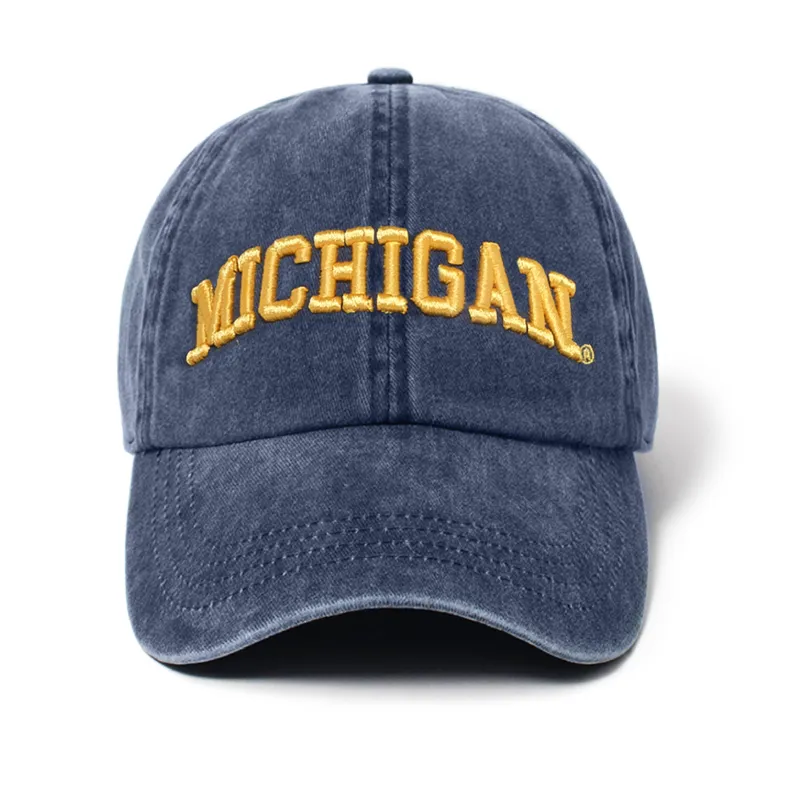
University fans will appreciate branded options like the umich hat or jmu hat, which combine school spirit with functional design. These styles work identically to unbranded versions but let you represent your team while keeping your hair full.
The key is matching the hat's structure to your hair type and activity level. A tight, athletic-cut ear cap works for short workout sessions, while a looser ponyflo hat with satin lining handles all-day wear without sacrificing volume. Test the fit by shaking your head side to side after putting it on. If the beanie shifts or your ponytail tugs, adjust the position before heading out.
Frequently asked questions
Can I wear a ponytail beanie with a high ponytail?
Yes, position the beanie's opening at your natural ponytail anchor point and tie your hair slightly higher than usual to account for settling. The hat should sit loosely at your crown to avoid flattening the height.
Do satin-lined beanies really prevent hair flattening?
Satin linings reduce friction between the fabric and your hair, which lets your strands glide instead of matting down. We see noticeably more volume after hours of wear compared to unlined knits.
How do I keep my beanie from stretching out the ponytail hole?
Wash in cold water, reshape while damp by stuffing with a towel, and store flat rather than hanging. Avoid pulling the opening wider than necessary when threading your ponytail through.
Will a winter hat with ponytail hole work for thick hair?
Look for openings between 3 and 3.5 inches in diameter and stretchy knit fabrics. Satin-lined options accommodate thick ponytails best because the lining compresses slightly without creating friction.
Can men wear ponytail beanies or are they only for women?
Men and women both wear these styles. The mechanics are identical, though men's versions may have a slightly larger circumference. Choose based on opening size and crown fit rather than gendered labeling.
How often should I adjust my beanie to maintain volume?
Check the position every two to three hours if you are wearing it all day. Flip your ponytail upside down and shake it out to redistribute weight and prevent permanent creasing at the roots.