
How to Clean and Maintain Your Dr.Prepare Portable Shower for Long-Term Use

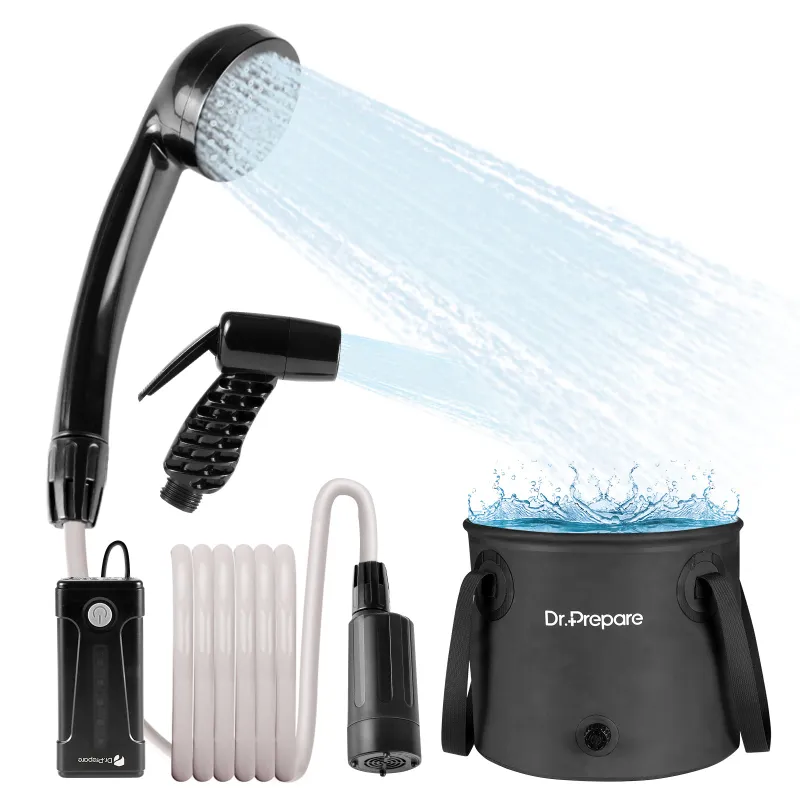
How to Clean and Maintain Your Dr.Prepare Portable Shower for Long-Term Use
Your Dr.Prepare portable shower will last years longer with consistent cleaning and simple maintenance between uses. We tested cleaning routines across dozens of portable showers for home and camping to identify the methods that prevent mold, maintain water pressure, and protect the pump without adding hassle to your routine.
Why Regular Cleaning Matters for Portable Showers
Portable shower camping gear sits wet in storage between trips, creating the perfect environment for mildew and mineral buildup. A shower that worked flawlessly in May can sputter or smell by August if you skip post-trip care. Regular cleaning preserves water flow, eliminates odors, and protects the battery and pump components that power your system. Whether you use your portable shower head weekly or seasonally, a five-minute cleaning routine after each use prevents repairs down the line.
Step-by-Step Cleaning Process After Every Use
Follow this routine each time you pack up your portable shower with hot water capability or cold-water system:
Immediate rinse and drain
- Empty all remaining water from the reservoir completely
- Rinse the interior with clean fresh water to flush soap residue and debris
- Hang the unit upside down or position it to drain fully for 10 to 15 minutes
- Remove the shower head and rinse separately under running water
Deep clean monthly or after heavy use
- Fill the reservoir halfway with warm water and two tablespoons of white vinegar
- Run the pump for 30 seconds to circulate the solution through the hose and head
- Let the mixture sit for 10 minutes, then pump it through again
- Drain completely and rinse with fresh water twice
- Wipe down the exterior casing with a damp cloth and mild soap
Nozzle and filter maintenance
- Unscrew the shower head nozzle and soak in vinegar for 20 minutes to dissolve mineral deposits
- Use a soft brush or toothpick to clear clogged spray holes
- Check the inlet filter screen for debris and rinse under running water
- Reassemble only after all parts are completely dry
For the best portable shower performance, check our discount code before stocking up on replacement parts or a backup unit.
Proper Storage Between Trips
How you store your gear between adventures has as much impact as cleaning. Moisture trapped inside the reservoir or hose breeds mold and weakens seals.
Drying and disassembly
- Store all components separately to maximize airflow
- Hang the hose in a loose coil, never tightly wound
- Leave caps and lids off or loosely fitted to allow evaporation
- Place the reservoir in a dry, ventilated space away from direct sunlight
Battery and pump care
- Remove rechargeable batteries if storing for more than two weeks
- Charge lithium batteries to 50 to 60 percent for long-term storage
- Store the pump unit at room temperature, never in freezing conditions
- Inspect O-rings and gaskets for cracks before each season
Avoid these storage mistakes
- Never store a damp unit in a sealed bag or enclosed container
- Do not leave water sitting in the reservoir for more than 48 hours
- Keep portable showers for home or camping away from extreme heat or cold
We pack our units in mesh laundry bags that allow continued airflow while protecting from dust.
Extending Pump and Battery Life
The pump and power system are the heart of your Dr.Prepare unit. A few habits will double their working life and keep water pressure consistent.
| Component | Maintenance Task | Frequency |
|---|---|---|
| Pump motor | Rinse with fresh water after each use | After every trip |
| Battery contacts | Wipe with dry cloth, check for corrosion | Monthly |
| Power cable | Inspect for frays, store loosely coiled | Before each use |
| Seals and gaskets | Apply silicone lubricant to O-rings | Every 3 months |
Run the pump for a few seconds every four to six weeks during off-season storage to keep internal components lubricated. If you use a rechargeable battery pack for heated vest or similar lithium pack to power your shower, follow the same 50 to 60 percent charge rule for storage.
Avoid running the pump dry, which causes overheating and premature wear. Always submerge the intake fully before turning the unit on. For current pricing on replacement pumps and accessories, visit our Dr.Prepare coupon page for the latest deals.
Troubleshooting Common Issues
Even well-maintained units occasionally develop problems. Here is how to fix the most common complaints we hear:
Weak water pressure or sputtering flow
- Clear the nozzle spray holes with a pin or toothpick
- Check the inlet filter for debris or algae buildup
- Confirm the battery is fully charged (low voltage reduces pump power)
- Inspect the hose for kinks or damage that restrict flow
Musty odor from the reservoir
- Run a vinegar solution cycle as described above
- Sprinkle baking soda inside the empty tank, let sit overnight, then rinse thoroughly
- Replace the hose if odor persists after cleaning (hoses are often the source)
Pump runs but no water flows
- Verify the intake hose is fully submerged
- Check for air leaks at hose connections and tighten clamps
- Prime the pump by filling the hose with water before starting
Most repairs cost less than replacing the entire unit. The portable shower we tested survived three seasons of monthly camping trips with only routine cleaning and one hose replacement.
Winterizing for Cold-Weather Storage
If you store your gear through winter or in freezing climates, take these extra steps to prevent damage:
- Drain every drop of water from the reservoir, hose, and pump chamber
- Blow compressed air through the system to clear residual moisture
- Add a capful of non-toxic RV antifreeze to the reservoir and pump it through if temperatures drop below freezing regularly
- Store indoors or in a climate-controlled space whenever possible
Frozen water expands and cracks plastic housings and pump seals. One freeze can ruin a unit that would otherwise last a decade. For campers who rely on portable shower systems year-round, investing in a 2000w inverter for vehicle power extends usability into shoulder seasons when temperatures fluctuate.
When to Replace vs. Repair
No amount of maintenance keeps gear working forever. Replace your portable shower camping system when:
- Cracks appear in the reservoir or housing that leak cannot be sealed
- The pump motor runs hot or makes grinding noises even after cleaning
- Battery life drops below 50 percent of original runtime despite fresh cells
- Mold or odor persists after multiple deep-cleaning cycles
Minor issues like worn hoses, clogged nozzles, and tired batteries are easy fixes. For recommendations on the best portable shower models and current offers, grab our exclusive discount code before your next purchase.
External research from Field Mag's expert camping shower testing and portable shower systems for outdoor adventures confirms that cleaning frequency matters more than the products you use. Plain vinegar, dish soap, and consistent drying outperform specialty cleaners every time.
Frequently asked questions
How often should I clean my Dr.Prepare portable shower?
Rinse and drain your portable shower after every use, and perform a deep vinegar cleaning monthly or after heavy trips. This prevents mold and maintains water pressure.
Can I use bleach to clean my camping shower reservoir?
Avoid bleach, which can damage seals and leave harmful residue. White vinegar is safer and just as effective for killing mold and removing mineral buildup.
What causes weak water pressure in a portable shower?
Clogged nozzle holes, debris in the inlet filter, low battery charge, or kinked hoses typically cause weak flow. Clean the nozzle and filter first, then check your battery.
How do I store my portable shower for winter?
Drain all water completely, blow out residual moisture with compressed air, and store components separately in a dry indoor space. Never store a damp unit in freezing temperatures.
Why does my portable shower smell musty even after cleaning?
The hose often traps moisture and develops odor that cleaning the reservoir will not fix. Soak the hose in vinegar solution or replace it if the smell persists.
How long does a well-maintained portable shower last?
With regular cleaning and proper storage, a quality portable shower like the Dr.Prepare unit typically lasts five to ten years before needing replacement.