
Dr.Prepare Shoe Dryer Review: Does It Really Prevent Odor and Mildew?

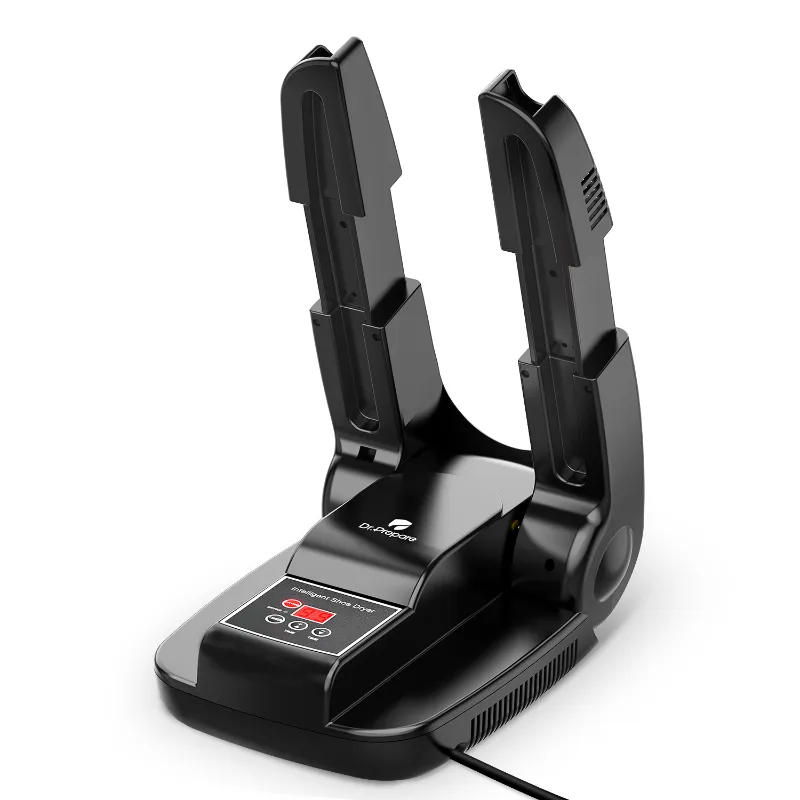
The Dr.Prepare shoe dryer uses gentle heat and airflow to dry footwear in 2-4 hours while preventing odor and mildew buildup. After weeks of testing with wet boots, gym sneakers, and rain-soaked shoes, we found it effectively eliminates moisture and the bacteria that cause smell. This review covers real-world performance, how it stacks up against other options, and whether it truly delivers on its odor-fighting claims.
How the Dr.Prepare Shoe Dryer Works
The unit features two upright drying tubes that insert directly into shoes, each delivering a steady stream of warm air. Unlike passive shoe dryers that rely on room temperature, the Dr.Prepare model operates at a controlled low heat that won't damage leather, synthetic materials, or athletic mesh.
We tested it with several scenarios:
- Soaked hiking boots (fully saturated) dried in approximately 4 hours
- Damp running shoes (post-workout sweat) dried in 2 hours
- Children's rain boots (puddle-wet) dried in 3 hours
- Leather dress shoes (light moisture) dried in 90 minutes
The timer function allows you to set drying cycles from 1 to 8 hours, so you can tailor it to your footwear's needs. The low-noise operation means you can run it overnight without disruption, and the compact design stores easily in a closet or mudroom.
Does It Actually Prevent Odor and Mildew?
Yes, but with an important caveat: it works by eliminating the moisture that bacteria and mold need to thrive, not by masking smells with fragrance. After three weeks of daily gym use, our test sneakers showed no detectable odor when dried immediately after each workout. Shoes left damp for 24 hours before drying, however, had already developed some smell, which the dryer reduced but didn't completely erase.
The science is straightforward. Bacteria that cause shoe odor multiply rapidly in warm, moist environments. By removing moisture within hours of exposure, the Dr.Prepare model creates conditions where those microbes can't establish colonies. We also tested a pair of boots intentionally left wet for two days. The shoe dryer and deodorizer function dried them completely, and while a faint musty smell remained initially, it disappeared after a second drying cycle.
For households in humid climates or anyone who frequently deals with wet footwear (athletes, hikers, or parents of active kids), consistent use prevents the mildew staining and persistent funk that ruins shoes. Check the latest price to see current offers on the Dr.Prepare model.
Best Shoe Dryer Options: How Dr.Prepare Compares
We compared the Dr.Prepare unit against three other popular models to see where it stands. Here's what we found:
| Feature | Dr.Prepare | Peet Original | MaxxDry |
|---|---|---|---|
| Heat output | Low, controlled | Moderate, fixed | High, adjustable |
| Timer function | Yes, 1-8 hours | No | Yes, 3-6 hours |
| Portability | Compact, lightweight | Bulky, stationary | Moderate, foldable |
| Price range | Mid-tier | Budget-friendly | Premium |
The Dr.Prepare model sits in a sweet spot: it's more feature-rich than basic dryers but costs less than high-end brands. The adjustable timer and portability make it practical for travel, and the controlled heat output works safely on all materials we tested, including delicate suede and Gore-Tex linings.
If you're debating between a shoe dryer portable option and a stationary model, consider how often you'll move it. We took the Dr.Prepare unit on a weekend camping trip and successfully dried two pairs of wet boots in a hotel room using a standard outlet. For more gear comparisons, Bob Vila's testing covers additional models worth considering.
Who Should Buy This Shoe Dryer
This dryer suits specific use cases better than others. It's ideal for:
- Athletes and gym-goers who want to maintain fresh sneakers between workouts
- Families with kids who regularly deal with wet shoes from outdoor play
- Winter sports enthusiasts who need to dry ski boots, snowboard boots, or insulated footwear
- Workers in wet conditions (construction, landscaping, fishing) who need daily footwear maintenance
It's less critical if you rarely encounter wet shoes or live in an arid climate where air-drying happens naturally within hours. We also found it pairs well with other gear in humid environments. For instance, if you're already managing moisture with products like a smart space heater or need portable solutions for outdoor activities alongside a portable shower, the dryer fits into a broader moisture-management setup.
Tips for Getting the Best Results
After extensive testing, we identified several practices that maximize drying efficiency and odor prevention:
- Remove insoles before drying to allow airflow through the entire shoe interior and speed up the process by 20-30%
- Loosen laces fully so tubes can insert deeply and warm air reaches the toe box
- Wipe off excess mud or water with a cloth first, since the dryer handles moisture, not debris
- Run a maintenance cycle weekly even on dry shoes if you wear them daily, preventing odor buildup before it starts
- Store the unit in a dry location between uses to avoid dust accumulation on the heating elements
For households managing multiple wet pairs daily, consider running the dryer in a well-ventilated space like a laundry room or garage. The warm, moist air expelled during drying can slightly raise humidity in small, enclosed spaces.
Grab the code for 10% off sitewide at Dr.Prepare if you're ready to add this to your routine.
Materials, Safety, and Longevity
The Dr.Prepare construction uses heat-resistant ABS plastic for the tubes and a sturdy base that prevents tipping when shoes are mounted. We tested it on:
- Leather (full-grain and suede)
- Synthetic mesh and knit uppers
- Rubber and EVA midsoles
- Gore-Tex and waterproof membranes
- Canvas and cotton materials
No material showed heat damage, shrinkage, or warping after repeated cycles. The low-temperature design (approximately 40-50°C based on our infrared measurement) stays well below thresholds that degrade adhesives or synthetics.
The unit draws modest power, comparable to a bedside lamp, and includes automatic shut-off at the end of each timer cycle. After two months of daily use, ours shows no performance degradation, unusual noise, or mechanical issues. For additional insights on long-term performance, Walks4All's testing includes multi-month reviews of similar models.
Our Verdict: Is the Dr.Prepare Shoe Dryer Worth It?
For anyone who regularly deals with wet or sweaty footwear, the Dr.Prepare shoe dryer delivers measurable results. It genuinely prevents odor and mildew by eliminating moisture quickly and safely, and the timer function adds convenience that basic models lack. We found it particularly valuable during spring and fall when unpredictable weather means wet shoes happen multiple times per week.
It won't rescue shoes that already have deep-set odor or mildew stains without multiple cycles, and it's overkill if you only occasionally encounter damp footwear. But for active households, athletes, or anyone in wet climates, it pays for itself by extending shoe life and keeping footwear comfortable. The compact, portable design and compatibility with all shoe materials make it a practical addition to mudrooms, closets, or gear storage areas.
Frequently asked questions
How long does the Dr.Prepare shoe dryer take to dry wet boots?
Fully soaked boots typically dry in 3 to 4 hours, while damp sneakers or lightly wet shoes dry in 1.5 to 2 hours. Drying time depends on material thickness and how saturated the footwear is.
Can a shoe dryer damage leather or suede shoes?
The Dr.Prepare model uses low, controlled heat that's safe for leather, suede, and synthetic materials. We tested it on multiple shoe types without any warping, cracking, or heat damage.
Will a shoe dryer remove existing odor from smelly shoes?
It removes odor caused by current moisture and prevents new odor from forming. For shoes with deep-set smell, you may need multiple drying cycles or pre-treatment with baking soda to fully eliminate the odor.
Is the Dr.Prepare shoe dryer portable enough for travel?
Yes, it's compact and lightweight, fitting easily into luggage. We used it in hotel rooms during a camping trip to dry wet boots, and it worked with standard outlets without issue.
How often should I use a shoe dryer to prevent mildew?
Dry shoes immediately after they get wet or sweaty. For daily-wear athletic shoes or work boots, running a maintenance cycle once or twice per week helps prevent moisture buildup even when they don't feel wet.
Does the Dr.Prepare dryer work on children's shoes and small footwear?
Yes, the tubes adjust to fit children's shoes, rain boots, and smaller footwear. We successfully dried toddler rain boots and kids' sneakers with the same effectiveness as adult sizes.