
Professional Telescopes vs. Consumer Models: What You Really Get for the Price

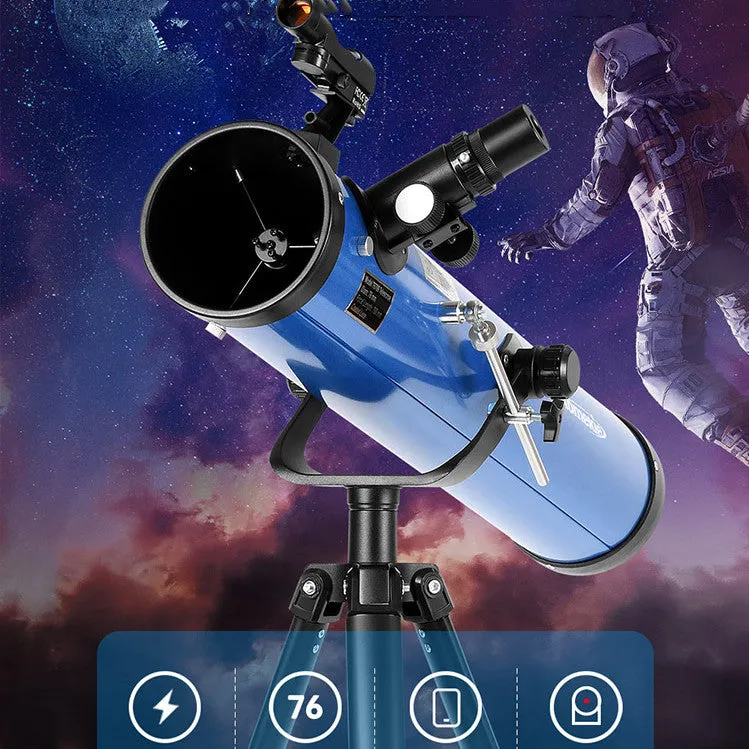
Professional Telescopes vs. Consumer Models: Understanding the Real Differences
Professional telescopes deliver sharper views, better stability, and components built to last decades, while consumer models prioritize portability and affordability. The gap between them isn't always dramatic, but it matters most if you're serious about astronomy or need reliability for frequent use.
Whether you're starting out or upgrading, knowing exactly what separates these categories helps you avoid overpaying for features you won't use or underspending and hitting frustrating limits. Let's break down where the real value sits.
Optical Quality: The Core Difference Between Professional Telescope Designs
The most immediate difference between professional and consumer telescopes is optical performance. Professional models use higher-grade glass elements with multi-coated optics that transmit more light and reduce glare. Consumer telescopes often use cheaper glass and single or partial coatings, which noticeably dims faint objects like galaxies and nebulae.
A professional telescope typically includes:
- Fully multi-coated optics that pass 90% or more of light
- Tighter manufacturing tolerances on mirrors and lenses
- Lower aberration across the field of view
- Faster optical speeds for deep-sky observing
Consumer models may have adequate optics for bright-sky objects like the Moon, but they'll show reduced contrast and detail when viewing planets or galaxies. If you're looking for the best professional telescope for viewing planets and galaxies, optical quality is the first line item.
Build Materials and Durability: Why Professional Telescopes Last
Consumer telescopes often use plastic tubes, thin aluminum mounts, and pot-metal fittings that degrade after a few years of outdoor use. Professional telescopes use rigid cast aluminum or steel tubes, precision-engineered mounts, and stainless hardware designed for decades of service.
This durability difference matters because:
- Professional mounts hold alignment longer in temperature changes
- Metal components resist corrosion and UV degradation
- Focusing mechanisms use sealed threads instead of plastic gears
- Tube construction minimizes flexing that ruins collimation
A budget consumer model may feel sturdy at first, but the mount will often develop play and wobble within a season or two. Professional equipment sacrifices some portability for rock-solid stability that makes viewing enjoyable rather than frustrating.
Stability and Tracking: Why Mount Quality Separates the Categories
The mount is often where professional telescopes prove their worth. Consumer mounts use flimsy tripods and slow hand-paddle controls that make tracking objects exhausting. Professional mounts use equatorial or altitude-azimuth designs with smooth geared drives, weight-rated for the scope's optics, and often motorized tracking.
A wobbly mount turns any telescope into a toy. Professional telescope equipment keeps the image steady as Earth rotates, so you can observe for hours without constantly re-centering. High-end mounts also accept computerized GoTo systems that find and track thousands of objects automatically, something no consumer mount handles well.
Eyepieces and Accessories: Professional Scopes Come Better Equipped
Professional telescopes typically ship with quality eyepieces and diagonal mirrors, while consumer packages often include cheap plastic eyepieces that look distorted and dim. Upgrading eyepieces alone can cost as much as a consumer scope, so bundling good optics saves money over time.
Professional packages also include:
- Premium diagonal mirrors with multi-coating
- Quality focuser with 1.25-inch and 2-inch compatibility
- Collimation tools and guides
- Finder scopes or red-dot sights
Consumer kits skimp here, leaving buyers to spend hundreds more to get decent views. Starting with a professional telescope means the accessories work from day one.
Cost vs. Longevity: When the Investment Actually Pays Off
A consumer telescope might cost one-third the price of a professional model, but lifespan matters. Consumer scopes often degrade into unusable condition within 3-5 years if used regularly. Professional equipment lasts 20-30 years with basic maintenance.
Consider the cost per year of observing:
- Consumer scope: $300, lasts 3 years = $100/year
- Professional scope: $1200, lasts 25 years = $48/year
If you observe even a few times per month, professional telescopes become cheaper long-term. If you observe weekly or run public outreach, it's not even close. Check the latest price on quality options to see what fits your budget.
For observers who want serious equipment without the professional price tag, mid-range scopes offer a sweet spot: better optics and mounts than consumer models, but less cost than full professional setups.
Who Should Buy Professional vs. Consumer Telescopes
Choose consumer telescopes if you:
- Want to try astronomy without committing much money
- Will observe casually (a few times per year)
- Prioritize portability over stability
- Plan to outgrow it within a few years anyway
Choose professional telescopes for sale if you:
- Observe weekly or more often
- Want to see deep-sky objects clearly (galaxies, nebulae, star clusters)
- Plan to keep the equipment for many years
- Run public astronomy events or education programs
- Want to photograph through the telescope
The best professional telescope for viewing planets and galaxies is always one you'll actually use. A neglected $2000 scope performs worse than a regularly-used $500 one. But if you're committed to the hobby, professional equipment removes the equipment frustration and lets you focus on the night sky.
Reference The 14 Best Telescopes | 300+ Owned, Tested & Compared or The best telescopes in 2026 for observing the universe for broader comparisons across brands and aperture sizes.
For serious shoppers ready to upgrade, grab the code to see what professional telescopes fit your setup and budget.
Frequently asked questions
What's the biggest difference between a professional telescope and a consumer one?
Optical quality and mount stability separate them most. Professional telescopes use fully multi-coated optics that transmit more light and rigid mounts that hold alignment, while consumer models often use cheaper glass and wobbly tripods that frustrate frequent observers.
Can I use a consumer telescope to see planets clearly?
Yes, you can see the Moon and bright planets like Jupiter and Saturn with a consumer scope, but the view will be dimmer and less detailed than through professional telescopes designed for planetary observation.
How long do professional telescopes typically last?
Professional telescopes often last 20-30 years with basic maintenance, while consumer models usually degrade within 3-5 years of regular use. This durability difference often makes professional equipment cheaper per year of observing.
Is a professional telescope worth the extra cost for a beginner?
If you plan to observe regularly (weekly or more), yes, because better optics and stability make the hobby enjoyable and cost less per year long-term. If you're just testing whether astronomy interests you, a consumer model lets you try without heavy investment.
What makes professional telescopes better for viewing galaxies and nebulae?
Professional telescopes gather more light with better optics and deliver it to your eye with minimal loss, making faint deep-sky objects visible. Consumer scopes lose too much light through lower-quality coatings, making these objects appear dim or invisible.
Do I need a motorized mount on a professional telescope?
No, but it transforms the experience. Manual mounts work fine, but motorized tracking lets you observe without constantly re-centering and enables long-exposure astrophotography, which most consumer mounts cannot handle.