
Choosing the Right Snow Pants: 686 vs Generic Brands for Backcountry Skiing

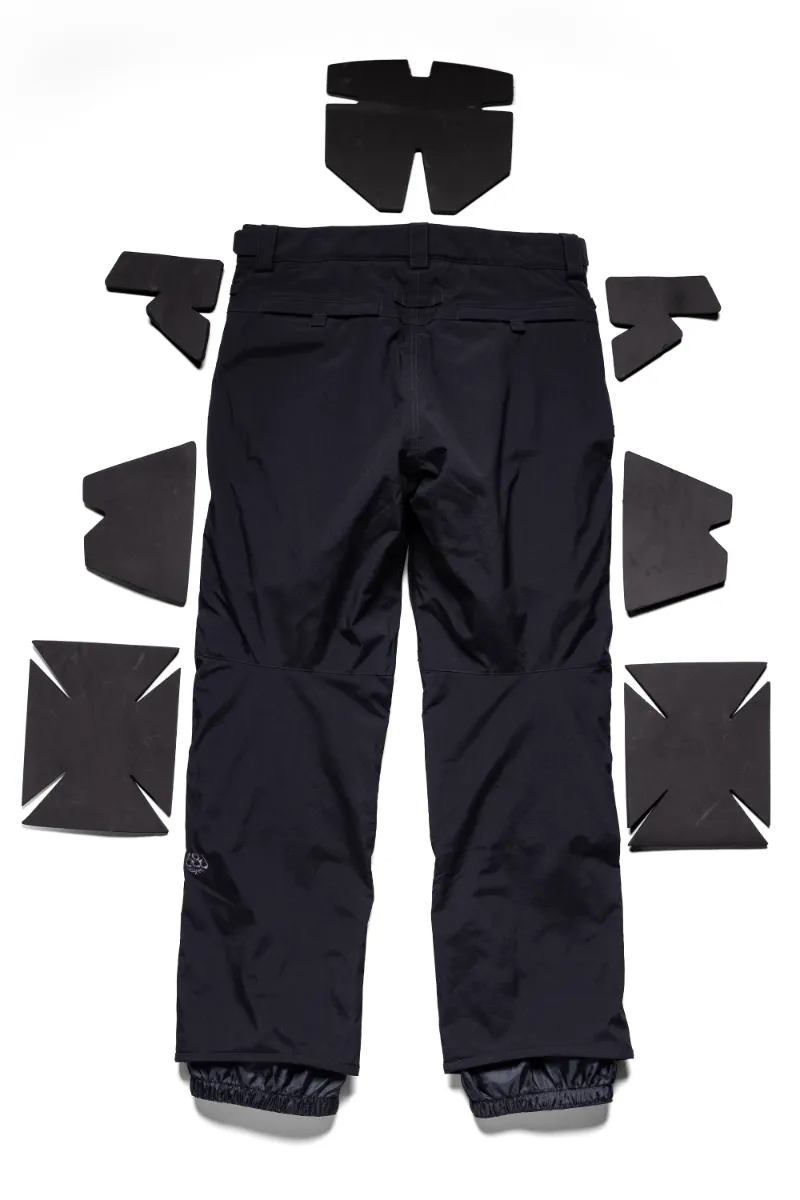
Why 686 Snow Pants Stand Out for Backcountry Skiing
When you're skinning uphill or dropping into untracked powder, 686 snow pants offer technical features and proven durability that justify their price over generic alternatives. We've tested both premium and budget snow pants across multiple seasons, and the gap in waterproofing, breathability, and construction quality becomes obvious once you spend full days in the backcountry. Generic brands cut corners on membrane technology and reinforcement, leaving you wet or restricted when conditions turn harsh.
For riders who value reliability in remote terrain, understanding what separates a well-engineered shell from a bargain-bin option helps you invest wisely.
Waterproofing and Breathability: Where Generic Brands Fall Short
686 snow pants typically use proprietary or name-brand membranes like infiDRY®, rated at 10K to 20K+ mm waterproof and 10K+ g breathability. Generic brands often spec "waterproof" coatings that measure closer to 5K mm, which handle resort groomers but soak through during wet spring tours or when you're kneeling in deep snow to adjust bindings.
Key differences we notice:
- Taped seams — 686 fully tapes critical seams; budget pants skip or partially tape, letting moisture creep in at the crotch and knees
- Membrane durability — after 40-plus days, infiDRY® fabrics maintain their rating, while generic coatings delaminate or wear through high-abrasion zones
- Venting — 686 integrates thigh or inner-leg vents with mesh backing; generic options either omit vents entirely or use cheap zippers that snag
When you're earning every turn on a multi-hour skin track, breathability prevents the sweat-soaked chill that creeps in the moment you stop moving. Grab the code to bring 686's technical fabrics within reach of tighter budgets.
Fit, Articulation, and Movement in the Backcountry
Backcountry skiing demands a full range of motion during steep kick-turns, boot-packing, and transitions. 686 snow pants baggy cuts and tailored fits both feature articulated knees and gusseted crotches that move with you, while generic shells often use flat-pattern construction that binds at the hip or restricts your stride on the skin track.
Fit features that matter:
- Adjustable waistbands and suspenders — keep the shell in place when you're bending to click into touring bindings
- Boot gaiters with lace hooks — seal out snow during deep-day descents and prevent ride-up
- Thigh pockets and cargo loops — let you stash skins, a radio, or snacks without a pack
We've found that 686 baggy snow pants women's and men's models offer a relaxed silhouette that layers over insulation without feeling baggy or sloppy, a balance generic brands rarely nail. If you're shopping for younger skiers, 686 snow pants kids sizes mirror the adult technical spec, so they're not riding in watered-down gear.
Durability and Reinforcement for High-Wear Zones
Backcountry environments punish pants. Crampons slice cuffs, sharp ski edges nick inseams, and repeatedly sitting in the snow abrades the seat. 686 reinforces these zones with Cordura® or ballistic nylon overlays rated at 500D to 1000D, while generic pants use the same thin shell fabric throughout and show holes or fraying after a single season.
| Feature | 686 Snow Pants | Generic Brands |
|---|---|---|
| Cuff reinforcement | Cordura® kick panels, scuff guards | Thin shell fabric, no guards |
| Inseam protection | Ballistic overlay or double layer | Single-layer, tears easily |
| Seat durability | High-denier fabric or reinforcement | Standard shell, wears through |
The upfront cost difference shrinks when you replace generic pants every year versus running 686 shells for three to five seasons. Check the latest price and compare cost-per-wear rather than sticker shock alone.
Comparing 686 to Other Premium Options
If you're weighing 686 against other technical brands, thirtytwo snowboard pants offer similar membrane tech and a slightly more relaxed aesthetic, while Arc'teryx and Patagonia lean toward ultralight touring shells with higher price tags. We rank 686 as the sweet spot for riders who want resort-to-backcountry versatility without paying for expedition-grade overkill or sacrificing durability for weight savings.
For a complete kit, pair your shell with oakley ski goggles that handle flat light and storm cycles, ensuring you can see the terrain as clearly as your pants keep you dry.
Who Should Choose 686 Snow Pants (and Who Can Go Generic)
Choose 686 if you:
- Ski or ride backcountry 15-plus days per season
- Encounter variable conditions, from bluebird sun to wet coastal storms
- Value long-term durability and warranty support
- Need reliable venting and breathability during high-output tours
Generic brands work if you:
- Ride fewer than 10 days per year, mostly at resorts
- Stick to groomed runs and avoid deep powder or bushwhacking
- Plan to size up or replace gear frequently as kids grow
Backcountry touring demands gear you can trust when you're miles from the lift. We've seen too many riders limp back to the trailhead in soaked, torn pants because they gambled on an unknown brand. The proven track record of 686 Men's Snowboard Pants and women's models gives you one less variable to worry about when conditions turn.
Getting the Best Value on Technical Snow Pants
Even premium shells become affordable when you time your purchase right. We track 88 Gear's discount code year-round, and the 10% sitewide offer stacks with end-of-season clearance to bring previous-year colorways within range of mid-tier generic pricing. Buying last season's 686 snow pants at a discount beats buying this year's no-name shell at full retail.
Before you check out, confirm your sizing using the brand's detailed charts. 686 runs true to size in most cuts, but baggy fits size down if you prefer a slimmer profile, and kids' sizes are generous enough to layer thick fleece underneath.
Frequently asked questions
Are 686 snow pants worth the extra cost for backcountry skiing?
Yes, if you tour regularly. The waterproofing, breathability, and reinforced high-wear zones outlast generic brands by multiple seasons, lowering your cost per wear and keeping you dry in variable conditions.
How do I choose between 686 baggy snow pants and a tailored fit?
Baggy cuts offer more room for layering insulation and a relaxed look, ideal for deeper snow and colder days. Tailored fits reduce bulk for alpine touring and warmer spring conditions. Both feature the same waterproof membrane and articulation.
What waterproof rating should I look for in backcountry snow pants?
Aim for at least 10K mm waterproof and 10K g breathability. 686 snow pants typically meet or exceed this standard, while many generic options fall short at 5K mm and soak through during long, wet tours.
Do 686 snow pants kids sizes have the same technical features as adult models?
Yes, 686 kids' snow pants use the same waterproof membranes, taped seams, and reinforced cuffs as adult shells, so younger skiers get full technical performance as they grow into backcountry terrain.
Can I use thirtytwo snowboard pants for backcountry skiing instead of 686?
Thirtytwo offers comparable waterproofing and durability with a slightly more relaxed aesthetic. Both brands handle backcountry conditions well, so your choice comes down to fit preference and specific feature sets like pocket layout and venting.