
How to Clean and Maintain Keen Newport H2 Sandals to Prevent Odor

How to Clean and Maintain Keen Newport H2 Sandals to Prevent Odor
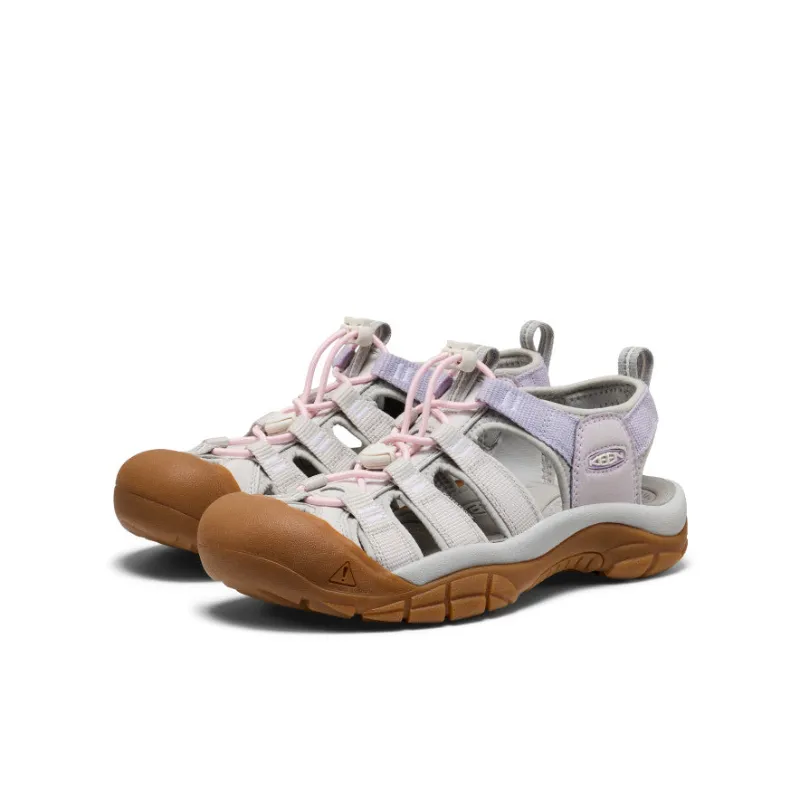
The keen women's newport h2 sandals stay fresh and last longer when you clean them regularly with mild soap, air-dry them properly, and treat the footbed to prevent bacterial buildup. We've tested these closed-toe water sandals through creek crossings, coastal hikes, and humid summer adventures, and proper care makes all the difference between sandals that smell like a gym bag and ones that are ready for another season.
These hybrid sandals bridge the gap between protective hiking footwear and breathable water shoes, much like how reef women's neptune shoes serve dual purposes. Because the Newport H2 features a washable polyester webbing upper and a metatomical molded footbed, they respond well to regular cleaning but require specific techniques to avoid damaging the materials or promoting odor-causing bacteria.
Why Keen Newport Women's Sandals Develop Odor
The same features that make the keen newport h2 women's closed toe water sandals so versatile also create an environment where bacteria thrive. The contoured footbed traps sweat, dead skin cells, and moisture from wet environments. When you wear them sockless in warm weather or submerge them in lake water without properly drying them afterward, anaerobic bacteria multiply in the footbed's crevices and produce that characteristic sour smell.
The quick-dry lining helps, but it's not enough on its own. We've found that sandals worn in saltwater environments or on muddy trails need more frequent cleaning than those used primarily on dry paths. Reviews from outdoor testers confirm that odor prevention requires proactive maintenance rather than waiting until the smell becomes noticeable.
Factors that accelerate odor:
- Wearing the sandals multiple days in a row without drying time
- Walking through brackish or stagnant water that leaves organic residue
- Storing them in enclosed spaces like gym bags or car trunks while damp
- Skipping post-swim rinses that leave chlorine or salt deposits
Step-by-Step Cleaning Process for Keen Women's Newport H2
We recommend cleaning your sandals every two to three wears during active use, or immediately after exposure to mud, saltwater, or especially dirty conditions. This routine takes about ten minutes and prevents the deep-set odor that requires more aggressive treatment.
Basic cleaning method:
- Remove loose dirt by knocking the sandals together or using a soft brush on the outsole and upper webbing
- Fill a basin with lukewarm water and add a small amount of mild dish soap or dedicated footwear cleaner
- Submerge the sandals and use a soft-bristled brush to scrub the footbed, paying attention to the arch area and toe box where debris accumulates
- Clean the polyester webbing straps with the same brush, working the bristles into the weave to remove trapped particles
- Rinse thoroughly under running water until no soap residue remains (soap left in the footbed attracts more dirt)
- Gently press out excess water without wringing or twisting the straps
- Air-dry in a well-ventilated area away from direct heat or sunlight
For stubborn odor that persists after basic cleaning, mix one part white vinegar with four parts water and soak the footbed for 15 minutes before scrubbing and rinsing. The vinegar neutralizes odor-causing bacteria without damaging the materials. You can check the latest price and stock availability on these sandals when you need a replacement pair.
Deep Cleaning for Set-In Odors
When prevention hasn't kept up with your adventure schedule, a deeper clean resets the sandals. We've salvaged sandals that seemed destined for the trash with this method, similar to techniques we use for merrell moab 3 hiking boots after multiday treks.
Baking soda treatment:
- Create a paste with three tablespoons baking soda and enough water to form a spreadable consistency
- Apply the paste to the entire footbed, working it into textured areas
- Let it sit for 30 minutes to absorb odors
- Scrub with a brush and rinse thoroughly
Machine washing (use sparingly): The keen women's newport h2 can technically survive a gentle machine wash in a mesh bag with cold water, but we only recommend this once or twice per season. Frequent machine washing can degrade the adhesive bonds and accelerate wear on the footbed. Always air-dry afterward; never use a dryer, as heat damages the EVA midsole and can shrink or warp the upper.
For maintenance between deep cleans, grab the code for 10% off cleaning supplies and replacement gear when your current pair reaches end-of-life.
Daily Maintenance to Extend Sandal Life
Consistent small habits prevent the need for intensive cleaning and extend the functional life of your sandals by seasons. Expert testers note that proper care keeps the bungee lacing system tight and the footbed supportive much longer than neglect.
Post-wear routine:
- Rinse with fresh water after every swim or water crossing to remove chlorine, salt, and sediment
- Loosen the bungee cord lacing to allow air circulation through the upper
- Store in an open area rather than enclosed bags or bins
- Rotate between two pairs if you wear water sandals daily, giving each pair 24 hours to fully dry
Monthly checks:
- Inspect the razor-siped outsole for embedded pebbles or debris that reduce traction
- Examine bungee cords and the cord-lock system for fraying or looseness
- Check adhesive seams between the upper and midsole for separation
- Test the footbed's arch support by pressing firmly; significant compression indicates worn EVA that no longer provides structure
The same rotation strategy works well if you own multiple outdoor footwear options like merrell moab 3 mid gtx hiking boots for technical trails and Newport H2 sandals for water approaches.
What to Avoid When Caring for Newport H2 Sandals
Certain cleaning methods popular for other footwear actively damage these sandals. We've seen well-intentioned cleaning ruin otherwise functional pairs.
Don't use these:
- Bleach or harsh chemical cleaners that break down the polyester webbing and discolor the footbed
- Direct heat sources like hair dryers, radiators, or car dashboards that warp the EVA midsole
- Abrasive scrubbing pads that scratch the footbed surface and create more spaces for bacteria to hide
- Fabric softener or conditioner that leaves residue and makes the footbed slippery
- Petroleum-based products marketed for leather care, which don't bond with synthetic materials
Storage mistakes:
Avoid leaving your sandals in hot cars or direct sunlight for extended periods, as UV exposure degrades the webbing colors and weakens the material structure. When storing between seasons, clean them thoroughly first, ensure they're completely dry, and keep them in a cool, dry location with air circulation. Stuffing them toe-to-heel in a box is fine, but avoid crushing them under heavy items that can compress the footbed permanently.
If you're comparing water-ready footwear, women's reviews often mention that the Newport H2 requires more maintenance than simple reef flip flops but offers significantly more protection and support for actual hiking.
When to Replace vs. Repair
Even with excellent maintenance, these sandals have a functional lifespan. Most active users get two to four seasons depending on frequency and terrain intensity. Watch for these replacement indicators:
| Sign | What It Means | Action |
|---|---|---|
| Smooth outsole lugs | Traction compromised on wet rocks | Replace for safety |
| Compressed footbed | No arch support, flat feel | Replace; cannot be rebuilt |
| Separated upper seams | Water intrusion, structural failure | Replace; repair rarely lasts |
| Stretched bungee system | Cannot achieve secure fit | Try re-lacing tighter first, then replace |
The keen newport h2 women's sale periods typically happen in late summer and early spring, making those ideal times to stock up on a fresh pair while maintaining your current sandals through the season. Minor strap fraying at stress points can sometimes be trimmed or sealed with a lighter to prevent further unraveling, but once the webbing separates completely from the footbed attachment points, replacement is the only option.
Proper cleaning and maintenance can add an entire season of use, delaying that replacement purchase and ensuring your sandals perform as intended whether you're hiking desert canyons or wading through coastal tidepools.
Frequently asked questions
Can you machine wash Keen women's Newport H2 sandals?
Yes, but only occasionally. Use a mesh laundry bag, cold water, and a gentle cycle no more than once or twice per season. Hand washing with mild soap is safer for the footbed adhesive and materials.
How do I get the smell out of my Newport H2 sandals?
Scrub the footbed with mild soap and water, then soak in a vinegar solution (one part vinegar to four parts water) for 15 minutes. For stubborn odors, apply a baking soda paste, let sit for 30 minutes, scrub, and rinse thoroughly.
How long do Keen Newport H2 sandals last with proper care?
Most active users get two to four seasons from their sandals with regular cleaning and proper storage. Lifespan depends on how often you wear them and the terrain intensity.
Can I put my water sandals in the dryer?
Never put Keen Newport H2 sandals in the dryer. The heat damages the EVA midsole, warps the upper materials, and weakens adhesive bonds. Always air-dry them in a well-ventilated area away from direct heat.
Should I rinse my sandals after every water crossing?
Yes, rinse with fresh water after swimming or walking through creeks to remove chlorine, salt, and sediment that cause odor and material degradation. This simple step prevents most odor problems.
What causes Keen sandals to develop odor so quickly?
The contoured footbed traps moisture, sweat, and dead skin cells where bacteria thrive. Wearing them multiple days without drying time or storing them damp in enclosed spaces accelerates bacterial growth and odor.