
How to Waterproof Merrell Moab Hiking Boots for Long-Term Trail Performance

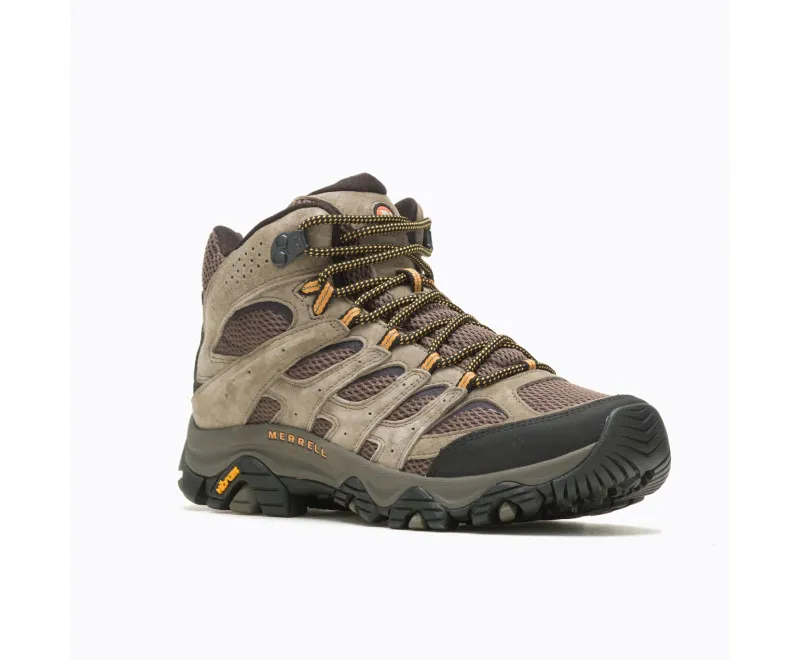
Even though merrell moab 3 mid gtx hiking boots ship with GORE-TEX waterproof liners, the outer materials still absorb water, mud, and trail grime that compromise breathability and accelerate wear. We waterproof ours every season to maintain performance, and the process takes about twenty minutes once you understand what works and what damages the membrane.
Why Your Merrell Moab 3 Mid GTX Needs Extra Waterproofing
GORE-TEX membranes are waterproof by design, but the suede and mesh uppers on the merrell moab 3 hiking boots act like sponges when untreated. Saturated outer layers add weight, take hours to dry, and force moisture vapor back toward your feet instead of letting it escape. Over time, dirt and oils clog the membrane's pores, reducing breathability and eventually letting water seep through seams and stitching.
Factory waterproofing degrades after 40 to 60 hours of wet-trail use. Reapplying a durable water repellent (DWR) treatment restores the bead-up effect that sheds rain, creek splashes, and morning dew before they soak in.
Best Waterproofing Products for Merrell Moab Boots
We use spray-on or wash-in DWR treatments designed for footwear with breathable membranes. Avoid heavy waxes, silicone sprays, or products marketed for leather dress shoes because they seal the pores and trap moisture inside.
Look for treatments that list fluoropolymer or PFC-free water repellents. Nikwax, Granger's, and Gear Aid all make formulas safe for GORE-TEX. Spray-on versions give you more control around seams and the tongue, while wash-in treatments coat the entire boot evenly, including hard-to-reach flex points.
We also keep a small tube of seam sealer for the stitching along the welt and toe cap, where repeated flexing can open tiny gaps over time.
Step-by-Step Waterproofing Process
Clean your boots thoroughly before applying any treatment. Dirt and oils block DWR from bonding to the fabric, so scrub the uppers with warm water, a soft brush, and a drop of mild soap. Rinse completely and let them air-dry away from direct heat. Stuffing the boots with newspaper speeds drying and holds their shape.
Once dry, follow these steps:
- Remove laces and insoles so spray reaches the tongue and eyelets.
- Shake the DWR bottle for at least 30 seconds to mix the active ingredients.
- Spray evenly from six inches away, covering all suede, mesh, and stitching. Two light coats work better than one heavy coat.
- Wipe off excess with a clean cloth after a few minutes. Pooled product can leave sticky residue.
- Air-dry for 24 hours in a well-ventilated space, then heat-activate the treatment by tumbling on low for 20 minutes or using a hairdryer on medium heat at arm's length.
For seams, apply a thin bead of seam sealer and smooth it with your finger. Let it cure for at least eight hours before wearing the boots.
If you prefer wash-in treatment, add it to a front-loading washer (top-loaders dilute it too much) with your clean boots, run a gentle cycle without detergent, then air-dry and heat-activate as above.
How Often to Reapply and Maintain Protection
Reapply DWR whenever water stops beading on the uppers and starts soaking in instead. For most hikers, that means every 50 to 80 trail miles or twice per season. If you hike in heavy rain, muddy conditions, or cross streams often, treat your merrell moab walking boots every month during active use.
Between treatments, rinse your boots after muddy hikes and store them in a dry, cool place with the laces loosened. Don't leave them in a hot car or garage, because prolonged heat can delaminate the GORE-TEX membrane and crack the midsole.
Condition the suede panels once or twice a year with a product designed for waterproof footwear. This keeps the leather supple and prevents cracking, but skip conditioning if you've just applied DWR because the oils can interfere with the treatment.
Check the latest price on replacement laces and insoles, which wear out faster than the boots themselves and affect both comfort and waterproof integrity around the tongue.
Common Mistakes That Damage GORE-TEX
Never use mink oil, beeswax, or petroleum-based conditioners on GORE-TEX boots. These products seal the membrane and turn your breathable boots into sweat traps. We've seen hikers ruin perfectly good Moabs this way after one misguided treatment.
Avoid machine-washing with detergent or fabric softener. Detergent residue clogs membrane pores, and fabric softener leaves a hydrophilic coating that attracts water instead of repelling
it. If your boots need deep cleaning, use plain water or a cleaner specifically labeled safe for GORE-TEX.
Don't dry your boots next to a campfire, woodstove, or heater vent. High heat melts adhesives, warps the midsole, and can crack the waterproof membrane. Air-drying takes longer but preserves the boot's structure and waterproofing for years.
According to discussions among long-distance hikers, another common error is over-treating boots. Too much DWR creates a stiff, sticky surface that cracks and peels. Thin, even coats reapplied regularly outperform thick single applications every time.
Choosing the Right Gear for Wet-Trail Hiking
Waterproofing extends your boots' lifespan, but pairing them with the right accessories makes wet hikes more comfortable. Gaiters keep trail splash and creek crossings from soaking your socks through the collar, and moisture-wicking socks move sweat away from your skin faster than cotton blends.
For water crossings or camp shoes, we carry keen women's newport h2 sandals that drain instantly and dry in minutes. On rainy approaches, oakley flak 2.0 xl sunglasses with hydrophobic lens coating shed raindrops so you can see the trail clearly without constant wiping.
Grab the code for your next waterproofing supplies and trail gear refresh. We test every product we recommend and only link to gear that performs in real backcountry conditions, not just on paper.
When to Replace Instead of Retreating
Even the best waterproofing can't save boots with blown-out seams, delaminated midsoles, or torn uppers. If water leaks through the same spot after cleaning, drying, and seam-sealing, the GORE-TEX membrane itself may be compromised. Most Moab boots deliver 500 to 800 trail miles before the waterproof liner fails, depending on terrain and load weight.
Inspect your boots every few months for cracks in the rand, loose stitching, or separated sole edges. Small repairs caught early can double your boots' life, but once the structure fails, waterproofing treatments won't restore performance. At that point, retiring them and starting fresh with a new pair of merrell moab 3 mid gtx hiking boots saves you from blisters, wet feet, and miserable miles.
Frequently asked questions
Can I use regular waterproof spray on merrell moab 3 mid gtx hiking boots?
Only use sprays designed for breathable membranes like GORE-TEX. Regular waterproof sprays and silicone products seal the pores and trap moisture inside, ruining breathability.
How do I know when my hiking boots need waterproofing?
When water soaks into the fabric instead of beading up and rolling off, it's time to reapply DWR treatment. Most hikers need to retreat every 50 to 80 trail miles.
Will waterproofing my boots make them less breathable?
Proper DWR treatments restore breathability by preventing the outer layers from saturating. Only heavy waxes and oils reduce breathability by sealing the membrane.
Can I machine wash my Merrell Moab boots before waterproofing?
Yes, but use plain water or a GORE-TEX-safe cleaner in a front-loading washer on a gentle cycle. Never add detergent or fabric softener, as they clog the membrane.
How long does DWR waterproofing last on hiking boots?
DWR treatments typically last 50 to 80 trail miles or one to two months of regular use, depending on conditions. Muddy trails and stream crossings shorten the interval.
Should I waterproof the inside of my GORE-TEX boots?
No. Only treat the outer materials. The GORE-TEX membrane is permanently waterproof, and spraying the inside can damage the liner and reduce breathability.