

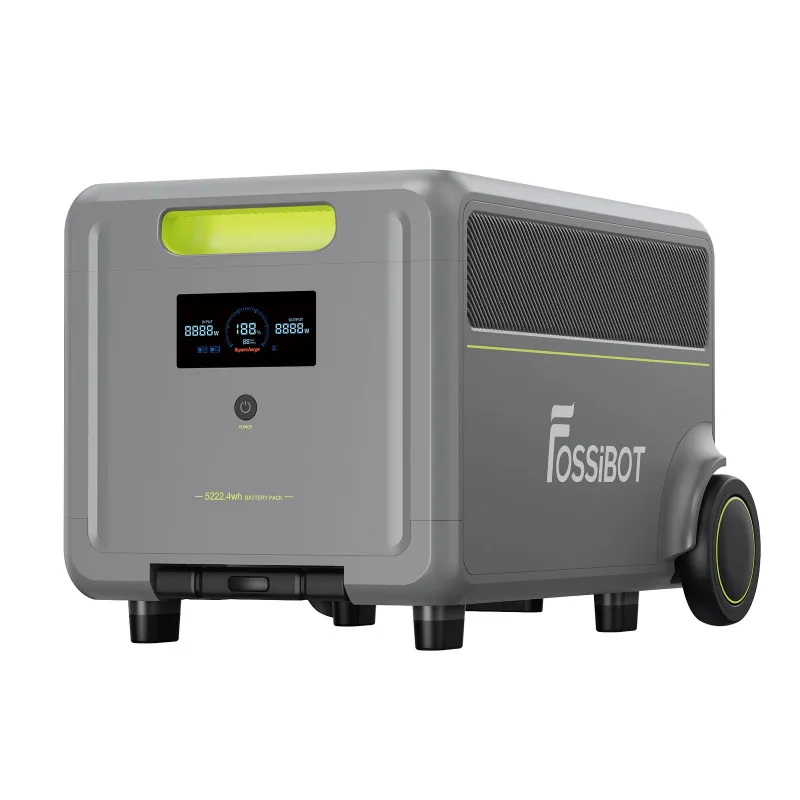
Running a camp kitchen on the fossibot 7200w is mostly a planning problem, not a power problem: you sequence your cooking, add up what each appliance draws, and refill between meals. Below is the walkthrough we use on trip days, from the first kettle to the evening shutdown, plus notes on the fossibot 7200w itself and the gear we keep around it.
What a Station Like the Fossibot 7200W Changes
The real upgrade is headroom. Once you stop rationing, camp food stops being a compromise: you can run a proper coffee setup, cook on induction, keep a cooler cold overnight, and still charge phones and a tablet.
- Cook, don't reheat. Sustained heat is the whole point. Plan meals that actually need a burner.
- Sequence, don't stack. High-draw appliances are fine one at a time. Two at once is where people trip the output limit.
- Check the label, not the guess. Continuous output matters more than any single appliance, so confirm the station's rating and your appliance's draw on the store listing before you commit to a menu.
Do the Load Math Before You Pack
One short calculation per appliance saves a bad dinner. Read the wattage off the label, estimate how many minutes it runs, and multiply. Wattage times hours gives watt hours, and that is the number the battery cares about.
| Appliance | Typical draw | Kitchen reality |
|---|---|---|
| Electric kettle | High, short bursts | Fast, easy, hurts nothing if you use it first |
| Induction hob | High, sustained | The biggest single decision in your menu |
| Drip coffee maker | Medium | Cheap to run, worth scheduling early |
| 12V cooler | Low, continuous | The real overnight cost, plan for it |
Build your trip list in two columns, "must run" and "nice to run," and total the must column. If the total leaves room, you have a comfortable kitchen. If it does not, you know before you drive out, not after the kettle dies.
A Real Cooking Day, Start to Finish
This is the sequence we run, and it works with any station in this class.
- Night before. Charge fully, chill the cooler on mains power, prep ingredients so cooking is shorter at camp.
- Morning, kettle first. Boil water for coffee and washing up while everything else is idle.
- Cook breakfast in one window. Griddle or hob, then shut it down. Nothing else draws during the cook.
- Midday top-up. Panels out, station charging, phones and the fossibot DT3 tablet plugged in for the next day's recipes and notes.
- Dinner, one high-draw appliance. Cook, plate, switch off. Do not leave a hob idling for a second cup.
- Shutdown check. Kill the inverter if you are not using it, log what you used, and top up before bed if the next day is cloudy.
Solar Pairing Turns Cook Time Into Charge Time
Solar is the difference between a one-night station and a multi-day kitchen. Two habits matter more than panel brand: angle the panels into the sun and move them two or three times a day, and keep cable runs short so you are not losing power to heat and length.
- Match panel output to the station's solar input rather than buying the biggest panel on the shelf.
- Charge during the middle of the day, when cooking load is lowest.
- We often pair the main station with the 2400 watt solar generator as a second, lighter unit for coffee, lighting, and phone charging, which keeps the big station free for cooking.
For current specs and pricing on panels and stations, check the latest price rather than trusting a number written last season.
Which Fossibot Fits Your Camp Kitchen
Three options come up most often for cooking duty. Pick by trip style, not by the biggest number on the box.
| Station | Best for | What to know |
|---|---|---|
| fossibot 7200w | Basecamp kitchens, family trips, multi-appliance days | The cooking-first choice when you need headroom |
| fossibot f7200 | Weekend rigs and smaller groups | Simpler menus, shorter cooks, lighter carry |
| 2400 watt solar generator | Secondary station and solar charging | Great coffee and lighting unit, not a full kitchen |
If you cook with one heat source and want margin for a fridge, the larger station earns its space. If you mostly boil water and charge devices, the smaller one does the job.
The Rugged Gear Around the Kitchen
A camp kitchen generates notes, lists, and a lot of handling near water and grit. The devices that live in our kit are chosen for that.
- fossibot f106 pro as the main phone: it takes the knocks, and it runs the shopping list and the code lookup at checkout.
- f109 for a second number or a spare handset on longer trips.
- fossibot DT3 for recipes, a bigger screen for reading in the evening, and photo backups.
- fossibot phone range overview if you are choosing between the models in the rugged phone lineup.
Buying, Shipping, and Aftercare
Buying direct is straightforward, and our code is the easiest saving: 5% off all orders, applied at checkout once you grab the code.
- How discount codes apply. Enter it in the checkout field before paying, then confirm the line item changes.
- Payment options and authenticity. Pay through the store's own checkout, not a third-party listing, so product authenticity and warranty cover stay intact.
- Shipping, delivery, and order tracking. Get the tracking link as soon as the order ships and check it before a trip, not the day of.
- Returns and refunds. Read the window before you open the box, and keep the packaging until you have cycled the station once.
- Warranty and repairs. Register the unit, keep the serial number in your phone, and contact support with a short video of any fault.
Field Habits That Keep the Kitchen Running
- Charge from solar in daylight, not after dark, so the station starts the evening full.
- Keep vents clear and never run the station inside a sealed tent.
- Use one high-draw appliance at a time and switch the output off between meals.
- Store it at partial charge for long gaps, not flat.
- Log one trip's real usage, then plan every future menu from that number.
Run the math once, cook in sequence, and refill daily, and the fossibot 7200w becomes the least interesting thing in your camp kitchen, which is exactly what you want from a power station.
 Shopping at FOSSiBOT US? See today's verified FOSSiBOT US discount code
Frequently asked questions
Can the fossibot 7200w run an induction hob and a kettle at the same time?
Usually you should not. Both are high-draw appliances, so run them in sequence instead of together, and confirm the station's continuous output against your appliance labels on the store listing before you plan a menu around them.
How many days can I cook off one portable power station?
It depends on your menu and whether you recharge daily. Total your appliance watt hours for one day, then compare that to the station's capacity and to what your solar panels can put back between meals.
Do I need solar panels if I already have a fossibot 7200w?
Not for an overnight trip, but solar is what makes multi-day cooking realistic. Pair panels with the station's solar input rating and charge in the middle of the day when cooking load is lowest.
Where do I enter the FOSSiBOT discount code?
In the checkout field before you pay. Our code takes 5% off all orders, and you can grab it on the store page, then confirm the discount line appears before submitting payment.
Is the fossibot f106 pro worth adding to a camp kitchen kit?
If your kitchen runs on lists, timers, and recipe lookups, yes. A rugged phone survives splashes, grit, and being dropped on a camp table far better than a standard handset.
What happens if my station arrives damaged?
Do not use it. Photograph the packaging and the unit, then contact support within the returns window and keep everything as shipped until they advise next steps.