
Silicone vs. Gel Heel Pads: Which One Prevents Blisters Better?

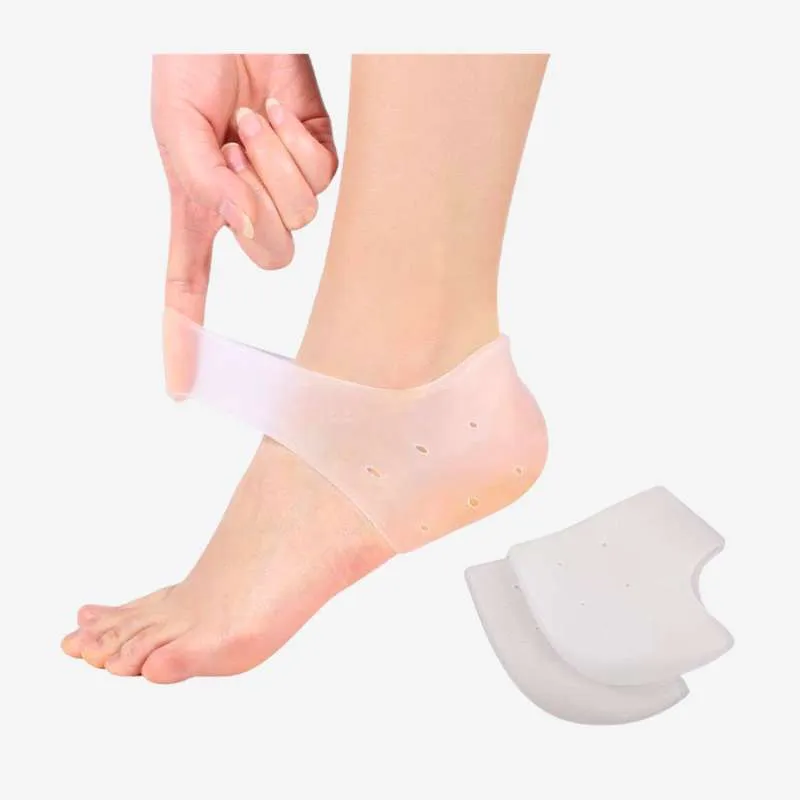
Which Material Stops Blisters: Silicone or Gel?
Silicone heel cups deliver firmer, more durable friction protection and stay in place better than gel pads, making them the top choice for blister prevention in dress shoes, heels, and athletic footwear. Gel pads feel softer initially but tend to slide and compress faster, which can create new hot spots. We tested both materials across different shoe types to show you exactly when each one works best.
Both options add a thin cushion between your heel and the shoe, but the way they grip your foot and distribute pressure determines whether you walk out blister-free or with fresh irritation by midday.
How Silicone Heel Cups Prevent Blisters
Silicone grips skin naturally without adhesive, so silicone heel cups move with your foot instead of sliding around inside the shoe. That stable contact eliminates the repetitive rubbing that causes blisters in the first place. The material also holds its shape under body weight, so your heel sits in the same protective pocket all day.
We recommend silicone for:
- High heels and pumps where your foot slides forward
- New leather shoes during the break-in period
- Athletic shoes for long walks or running
- Anyone with plantar fasciitis who needs consistent arch support
Silicone is dense enough to cushion impact but firm enough to keep your heel aligned. If you've tried gel insoles for high heels and noticed they flatten after an hour, silicone will feel more supportive. Pair them with padded heel socks for extra protection during break-in periods.
When Gel Pads Work Better
Gel heel pads shine in low-pressure situations where ultra-soft cushioning matters more than structure. The squishy texture absorbs shock well in casual sneakers, slippers, or shoes you wear around the house. Gel also conforms to irregular heel shapes more easily than silicone.
Choose gel if you:
- Want maximum softness for sensitive or cracked heels
- Wear loose-fitting shoes where sliding isn't an issue
- Need temporary cushioning for a single event
- Prefer a plush feel over firm support
Gel does compress and may need replacement more often than silicone. For cracked heels specifically, look for silicone heel cups for cracked heels that include a moisturizing liner, or layer gel pads with foot care products like balms and repair creams for overnight treatment.
Side-by-Side Material Comparison
| Feature | Silicone Heel Cups | Gel Heel Pads |
|---|---|---|
| Grip | Stays in place without adhesive | May slide in loose shoes |
| Durability | Lasts 6–12 months with daily wear | Flattens in 2–4 months |
| Support | Firm, maintains heel alignment | Soft, absorbs shock |
| Best for blisters | High-friction shoes (heels, dress shoes) | Low-pressure casual shoes |
Silicone is the clear winner for blister prevention in any shoe that puts pressure on your heel. Gel works well for comfort in low-stakes settings but won't protect you during long wear or in tight footwear.
Sizing and Fit Tips
Most inserts for heels come in small, medium, and large based on shoe size, but material matters for fit. Silicone cups are slightly thicker and may make snug shoes feel tight, so try them first in shoes with a bit of extra room. Gel pads are thinner and compress more, so they work in most shoes without adjusting laces or straps.
Check the thickness before you buy:
- Silicone: typically 4–6 mm thick, best for shoes with a roomy heel counter
- Gel: usually 2–4 mm, fits in tighter shoes without crowding
If your shoes already fit perfectly, start with gel. If you have heel slippage or need to fill extra space, silicone will grip better and prevent sliding. For plantar fasciitis, look for best heel cups for plantar fasciitis that include a raised arch support, which silicone models handle better than gel.
Cleaning and Maintenance
Silicone heel cups rinse clean with soap and water and air-dry in minutes, which makes them easy to keep fresh if you wear them daily. Gel pads can tear or lose their adhesive backing when washed, so they're harder to maintain long-term.
Silicone care: Hand wash weekly, let air dry, dust with baby powder if they feel sticky.
Gel care: Wipe with a damp cloth, avoid submerging, replace when the adhesive fails.
Silicone's washability adds to its value if you rotate them between multiple pairs of shoes. Grab a second set so you always have a clean pair ready, and check the latest price with our discount code for bulk savings.
Pairing Heel Cups with Socks
Combining heel protection with the right socks stops blisters even faster. Padded socks add a second cushion layer and wick moisture away from your skin, which reduces friction from sweat. For dressier shoes, lace socks or socks with lace give you coverage without visible bulk.
Layer silicone cups with thin socks for maximum protection in heels, or wear gel pads barefoot in sandals and mules. If you're breaking in new boots, stack silicon heel pad inserts with white lace socks for hidden comfort that won't show above the boot line.
Our Bottom Line
Silicone heel cups prevent blisters more reliably than gel pads because they grip your foot, maintain their shape, and last longer under daily wear. Gel pads offer plush comfort for light use but compress and slide too easily for serious blister prevention. For the best results, choose silicone for any shoe that rubs, and reserve gel for casual comfort in low-pressure situations. If you deal with plantar fasciitis or cracked heels, prioritize silicone models with built-in arch support or moisturizing liners.
Looking for the right pair? Browse our tested feet care products Heel Cup options and grab the code for 10% off your order.
Frequently asked questions
Do silicone heel cups work for plantar fasciitis?
Yes, silicone heel cups with raised arch support can help relieve plantar fasciitis pain by cushioning the heel and stabilizing your foot. Look for models specifically designed for plantar fasciitis with firm, structured support.
How long do gel heel pads last compared to silicone?
Gel pads typically flatten and lose cushioning within 2 to 4 months of daily wear, while silicone heel cups stay supportive for 6 to 12 months. Silicone is more durable and easier to clean.
Can I wear heel cups without socks?
Yes, silicone heel cups grip skin naturally and work well barefoot in sandals or heels. Gel pads also work without socks, but pairing either type with thin padded socks adds extra blister protection.
Will silicone or gel pads make my shoes too tight?
Silicone cups are thicker (4 to 6 mm) and may crowd snug shoes, while gel pads are thinner (2 to 4 mm) and compress more easily. If your shoes fit perfectly, start with gel; if you have heel slippage, choose silicone.
Are silicone heel cups better for cracked heels?
Silicone heel cups cushion cracked heels well and some models include moisturizing liners. Pair them with foot balms for overnight treatment, or use gel pads if you prefer ultra-soft cushioning in casual shoes.