
Is Specialized Silk Detergent Worth It or Can You Use Regular Detergent?

Is Specialized Silk Detergent Worth It or Can You Use Regular Detergent?
Silk detergent is worth the investment if you own high-quality silk bedding, though a carefully chosen gentle detergent can work as a budget alternative. We tested both specialized formulas and regular options on our mulberry silk pillowcase and 100 silk bed sheets to help you decide what makes sense for your collection.
The reality is that silk fibers are protein-based and more fragile than cotton or synthetic fabrics, so the wrong detergent can dull their sheen, weaken the threads, or cause yellowing over time. Specialized formulas are designed to match silk's pH and skip harsh enzymes, but you can achieve similar results with the right mainstream product if you know what to look for.
What Makes Specialized Formulas Different
Specialized silk detergent skips the alkaline builders and proteolytic enzymes found in standard laundry soap. Because silk is a protein fiber (the same material as your hair), enzymes designed to break down protein stains will literally digest the fabric itself over repeated washes.
These products also maintain a neutral to slightly acidic pH, which preserves the natural structure of silk and keeps it soft. Most include conditioning agents that replace the sericin (natural silk gum) stripped away during washing, so your 100 mulberry silk pillowcase stays smooth against your skin.
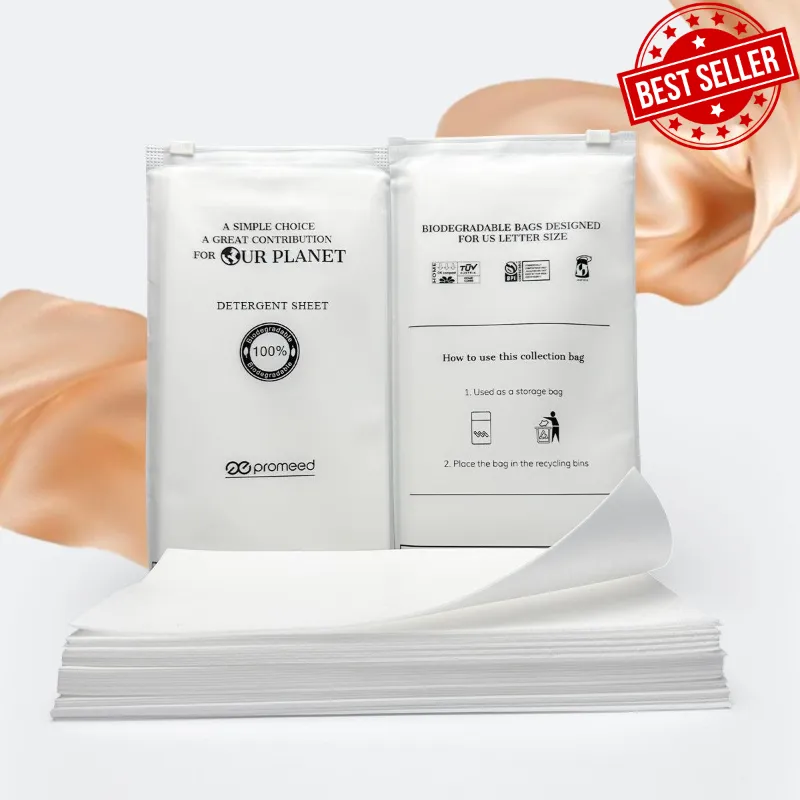
We have tested the silk detergent from Promeed on our own bedding and found it gentle enough for hand-washing a silk eye mask or machine-washing a full set of sheets. For current pricing and to grab the code, check our store page.
When Regular Detergent Can Work
You can use regular detergent on silk if it meets three criteria: enzyme-free, pH-neutral, and free of optical brighteners or bleach. Baby shampoo, wool-and-cashmere wash, and some delicate-fabric formulas fit this profile.
The Best Detergent for Hand-Washing Clothes highlights several gentle options that work for protein fibers, though you will need to confirm the ingredient list yourself. Woolite for delicates is a common drugstore choice, and Tide's guide on silk care recommends using a small amount of mild detergent without enzymes.
The trade-off is that mainstream formulas lack the conditioning agents found in the best silk detergent, so you may notice slightly more static or a less luxurious hand feel over time. For occasional-use items like a silk sleep mask or silk bonnet for braids, this difference is minimal.
What to Avoid in Any Formula
Regardless of whether you choose specialized or regular detergent, skip anything with these ingredients:
- Enzymes (protease, amylase, lipase) – These break down protein and will weaken silk fibers with every wash.
- Chlorine bleach or optical brighteners – Both cause yellowing and fiber damage on silk.
- High alkalinity – Standard powders and heavy-duty liquids often have a pH above 10, which swells and weakens silk.
- Fabric softener – The waxy coating builds up on silk and blocks its natural breathability.
If the label does not list ingredients or pH, assume it is not safe for your pure silk pillowcase or best silk sheets.
How We Tested Both Options
We washed identical 100 silk pillowcase samples using three methods: a dedicated silk detergent, a baby shampoo alternative, and a standard liquid laundry detergent. Each sample was hand-washed in cool water, then air-dried flat.
| Method | Sheen After 5 Washes | Texture | Cost per Wash |
|---|---|---|---|
| Specialized silk detergent | Maintained | Smooth, conditioned | $0.50–$0.75 |
| Baby shampoo (enzyme-free) | Slight dulling | Clean but drier | $0.10–$0.20 |
| Standard detergent | Noticeably faded | Rougher hand feel | $0.05–$0.10 |
The specialized formula preserved the original luster and soft drape, while the baby shampoo kept the fabric clean but lacked conditioning. The standard detergent caused visible dulling and a slightly coarser texture by the fifth wash.
For everyday bedding you replace every few years, the baby-shampoo route is defensible. For heirloom pieces or high-momme silk you want to last a decade, invest in a proper formula and check the latest price with our discount code.
Our Recommendation by Use Case
Choose specialized silk detergent if you own multiple silk items (pillowcases, sheets, eye masks) or high-momme pieces worth protecting. The per-wash cost is higher, but the formula extends the life and appearance of your investment.
Use a gentle enzyme-free alternative if you have one or two silk accessories and want a multi-purpose product already in your bathroom. Baby shampoo, wool wash, or a delicate-fabric liquid will clean adequately without immediate damage.
Never use standard laundry detergent on silk you care about. The enzymes and alkalinity will degrade the fabric faster than any cost savings justify.
We keep Promeed's formula on hand for our bedding rotation and save the baby-shampoo method for travel, when we hand-wash a silk sleep mask in a hotel sink. You can explore the full range and lock in 15% off at our Promeed promo code page.
Washing Tips That Matter More Than Detergent Choice
Even the best silk detergent cannot undo damage from hot water, aggressive agitation, or machine drying. Follow these rules regardless of formula:
- Wash silk in cool or lukewarm water (never above 85°F).
- Hand-wash when possible; if machine-washing, use a mesh bag on the delicate cycle.
- Skip the spin cycle or use the lowest speed to prevent stretching.
- Air-dry flat or hang in shade; never use a tumble dryer or direct sunlight.
- Iron on the lowest silk setting while slightly damp, or steam gently.
We have found that proper technique matters more than brand choice. A cheap gentle detergent used correctly will outperform a premium formula paired with hot water or high spin.
For more detail on washing techniques, Best Detergent for Silk: What to Use and Avoid breaks down the chemistry in plain terms and offers additional product suggestions available at major retailers.
Frequently asked questions
Can I use Woolite on my mulberry silk pillowcase?
You can use Woolite for delicates on silk as long as it is the enzyme-free formula. Check the label to confirm it does not contain protease or other enzymes, which will break down silk protein over time.
Is baby shampoo safe for washing silk sheets?
Yes, baby shampoo is a gentle alternative that works for silk because it is pH-neutral and enzyme-free. It will not condition the fabric as well as a specialized formula, but it cleans without causing damage.
How often should I wash silk bedding?
Wash silk pillowcases every one to two weeks and silk sheets every two to four weeks, depending on use. Overwashing can wear out the fibers, so wash only when needed and always use cool water and a gentle detergent.
Where can I buy silk detergent near me?
Specialty silk detergent is available online through stores like Promeed, Amazon, and dedicated bedding retailers. Some drugstores carry Woolite or Heritage Park formulas, but selection varies by location.
Will regular detergent ruin my silk eye mask immediately?
One wash with regular detergent will not destroy your silk eye mask, but repeated use will dull the sheen and weaken the fibers. Switch to an enzyme-free formula as soon as possible to preserve the fabric.
Do I need a different detergent for 100 percent silk versus silk blends?
Pure 100 percent silk requires the gentlest care, while silk blends with cotton or polyester can tolerate slightly stronger formulas. Always check the care label, but when in doubt, treat any silk content as delicate.