
Do Silk Sleep Masks Really Block Out Light for Better Sleep?

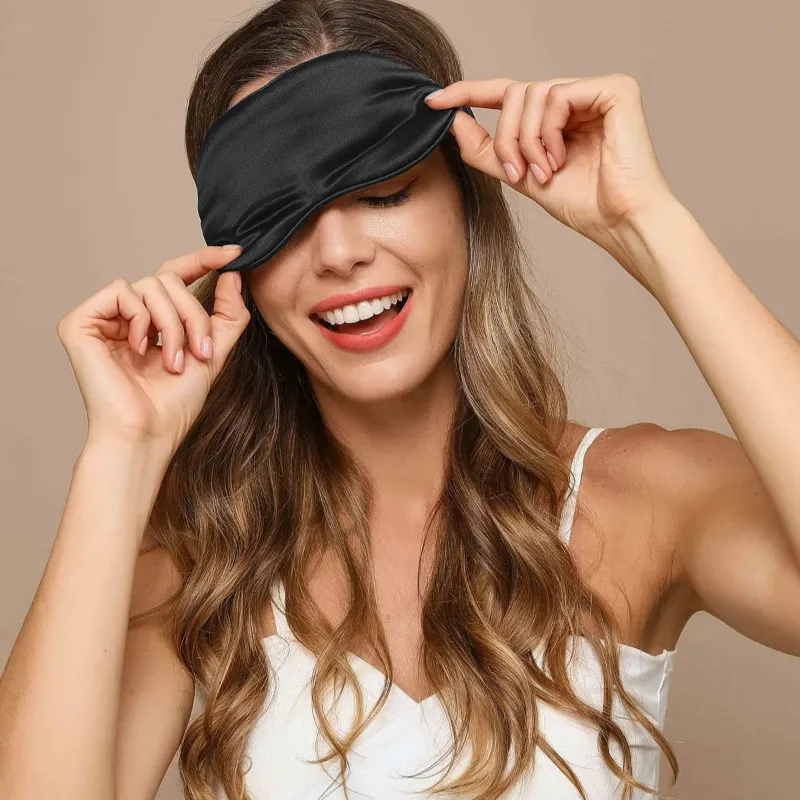
Do Silk Sleep Masks Block Light Effectively?
A silk sleep mask blocks most ambient light when it fits snugly around your nose bridge and temples, though complete blackout depends on the mask's design and your face shape. Silk itself is tightly woven enough to prevent light penetration through the fabric, but gaps around the edges remain the main challenge for any eye mask material.
We tested light-blocking performance across different designs and found that contoured masks with adjustable straps consistently outperform flat styles. The fabric quality matters less for darkness than the seal against your face, though mulberry silk's natural density does help filter more light than lower-grade alternatives.
How Silk Compares to Other Sleep Mask Materials
Silk stands out for blocking light while remaining breathable and gentle on skin. Here's how it stacks up:
| Material | Light Blocking | Skin Comfort | Durability |
|---|---|---|---|
| Mulberry silk | Excellent (opaque weave) | Superior (hypoallergenic) | High with care |
| Cotton | Good (depends on thread count) | Moderate (absorbs moisture) | Very high |
| Polyester foam | Excellent (thick padding) | Poor (traps heat, friction) | Moderate |
A silk eye mask offers the best balance when you need both darkness and comfort through the night. Synthetic masks often block more light initially because manufacturers add thick foam padding, but that same padding traps heat and creates pressure on your eyelids. Silk breathes naturally and lies flat against skin without the bulk.
The best silk sleep mask designs pair 19-momme or higher mulberry silk with a contoured cup shape that prevents the fabric from touching your eyelashes. This design maintains the light seal without smudging eye cream or makeup, a common complaint we see in reviews of flat masks.
What Makes a Silk Sleep Mask Block Light
Three design features determine how well any mask keeps your room dark:
- Nose bridge contouring – A padded or shaped bridge prevents the gap where most light leaks in from overhead sources
- Adjustable elastic – Tension control lets you tighten the fit without creating pressure headaches; look for masks with sliders or Velcro
- Fabric opacity – Mulberry silk at 19 momme or higher provides natural blackout properties without needing multiple layers
- Side coverage – Wider masks that extend past your temples block peripheral light from windows and door cracks
We found that adjustable silk sleep masks perform better across different face shapes than one-size elastic bands. The ability to customize tension around your head makes the difference between a mask that shifts during sleep and one that stays sealed until morning.
According to sleep mask testing by The Strategist, the mask's ability to block light without creating pressure is what separates occasional use from nightly wear. Silk naturally delivers that balance because the fabric is strong enough to maintain structure without stiffness.
Silk Sleep Mask Benefits Beyond Light Blocking
While darkness is the primary goal, silk offers secondary benefits that improve your overall sleep quality:
For skin – Silk's smooth surface reduces friction that causes sleep lines and wrinkles. The protein fiber doesn't absorb moisture from your skin or eye creams, unlike cotton which wicks products away through the night. If you already use a mulberry silk pillowcase for anti-aging benefits, adding a matching mask extends that protection to the delicate eye area.
For hair – Side sleepers who wake with frizz or bent lashes appreciate silk's static-free texture. The same properties that make a silk bonnet for braids essential for textured hair apply to any mask that contacts your hairline.
For temperature – Silk regulates heat better than foam or polyester, staying cool in summer and warm in winter. This matters because overheating under a mask often causes people to remove it mid-sleep, defeating the light-blocking purpose.
For allergies – Natural silk is hypoallergenic and resistant to dust mites, mold, and other irritants that accumulate in synthetic fabrics. If you struggle with eye sensitivity, switching from a polyester mask to silk often reduces morning puffiness.
How to Care for Your Silk Sleep Mask
Proper maintenance keeps your mask blocking light effectively and extends its lifespan to several years:
- Hand wash weekly in cool water with silk detergent specifically formulated for protein fibers
- Never wring – press water out gently between towels instead of twisting the fabric
- Air dry flat away from direct sunlight, which can degrade the fibers and reduce opacity
- Store loosely – avoid folding the same creases repeatedly, as this weakens the weave and creates light gaps
We don't recommend machine washing even on delicate cycles, as the agitation and elastic stress shorten the mask's effective life. The elastic band that provides your light-blocking seal is the first component to wear out, so gentle handling during washing preserves the fit longer.
Check your mask every few weeks by holding it up to a bright window. If you see light penetrating through the fabric rather than just around the edges, the weave has degraded and it's time to replace it. Quality mulberry silk should remain opaque for 12 to 18 months with proper care.
Who Should Choose a Silk Sleep Mask
Silk masks work best for specific sleep situations and preferences:
- Light sleepers who wake to dawn light or street lamps benefit most from the combination of darkness and comfort that doesn't disrupt sleep when you shift positions
- Travelers who need consistent sleep across hotel rooms and time zones appreciate the portable blackout solution
- Shift workers sleeping during daylight hours require the maximum light blocking that a well-fitted silk mask provides
- Skin-conscious sleepers who invest in nighttime routines want the anti-wrinkle benefits alongside darkness
If you already use 100 silk bed sheets or a pure silk pillowcase, adding a mask creates a complete sleep environment optimized for skin and hair health. The cumulative effect of reducing friction across all contact points shows measurable results in skin texture over time.
You can grab the code for 15% off sitewide to build a full silk sleep setup, or start with just a mask to test whether the material works for your face shape and sleeping style.
Getting the Best Light Blocking Results
Even the highest-quality mask needs proper adjustment to block light completely:
Positioning – Place the mask slightly higher than you think necessary, with the top edge resting on your eyebrows rather than mid-forehead. This prevents the bottom edge from riding up and creating a gap under your eyes as you move through sleep cycles.
Strap tension – Tighten just enough to feel gentle pressure on your temples without causing a headache. If you wake with strap marks that last more than 10 minutes, loosen the adjustment.
Layering – Pair your mask with blackout curtains for complete darkness if you work nights or live in high-latitude regions with extended summer daylight. The mask handles minor light leaks, but cannot compensate for a bright room on its own.
Testing – Wear your mask in a dark room first before relying on it in a bright environment. This helps you adjust the fit and identify any gaps while you can still see to fix them.
For current pricing and to check the latest deals, we recommend comparing momme weight and strap style before purchasing. The investment in a well-designed silk mask pays off in sleep quality and longevity compared to replacing cheap synthetic options every few months.
Silk sleep masks deliver effective light blocking when properly fitted, with the added advantage of protecting skin and hair while you sleep. The natural fiber's combination of opacity, breathability, and hypoallergenic properties makes it the top choice for nightly use over synthetic alternatives.
Frequently asked questions
Can a silk sleep mask completely block out all light?
A well-fitted silk mask blocks fabric-penetrating light completely, but small gaps around the nose bridge or temples may allow minimal ambient light. Contoured designs with adjustable straps provide the closest to total blackout.
How does silk compare to foam sleep masks for blocking light?
Foam masks often block slightly more light due to thick padding, but silk provides comparable darkness with better breathability and comfort. Most people sleep longer through the night with silk because it doesn't trap heat or create pressure points.
Will washing a silk sleep mask reduce its light-blocking ability?
Proper hand washing with silk detergent maintains the fabric's tight weave and opacity. Machine washing or harsh detergents can degrade the fibers and create thin spots that let light through.
Do silk eye masks prevent wrinkles while blocking light?
Yes, silk's smooth surface reduces friction on the delicate eye area while you sleep, minimizing sleep lines and wrinkles. This dual benefit makes silk masks popular for anti-aging skincare routines alongside their primary light-blocking function.
What momme weight silk blocks the most light?
Silk at 19 momme or higher provides optimal light blocking without excessive bulk. Lower momme weights may be too sheer, while higher weights add unnecessary thickness that can feel heavy on your face.
Can I wear a silk sleep mask with eyelash extensions?
Contoured silk masks with a cup shape work perfectly with lash extensions because the fabric doesn't touch your lashes. Flat masks may compress extensions and reduce their lifespan regardless of the material.