
What Size Firearm Fits in Concealed Carry Athletic Shorts?

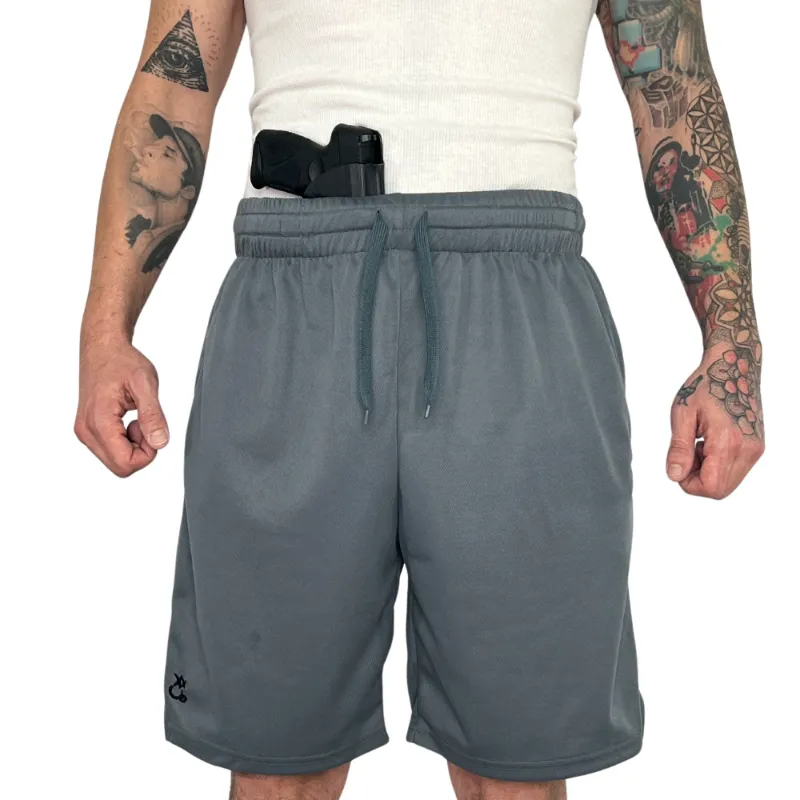
What Size Firearm Fits in Concealed Carry Athletic Shorts?
Concealed carry athletic shorts typically accommodate compact and subcompact pistols up to 7 inches in overall length, with most designs optimized for firearms weighing under 30 ounces. The internal holster pockets in concealed carry athletic shorts are engineered to handle popular carry models like the Glock 43, Sig P365, and Smith & Wesson Shield, while maintaining a low profile during physical activity. Your firearm's dimensions—especially overall length and grip height—determine compatibility more than caliber alone.
We tested multiple waistband styles across concealed carry shorts for men and camo fitness shorts to understand how pocket depth, reinforcement, and elastic tension affect both carry comfort and weapon retention during movement.
Firearm Dimensions That Matter Most
When evaluating whether your pistol fits, focus on these measurements rather than model names or caliber labels.
Overall length is the critical dimension. Most concealed carry shorts for men feature holster pockets between 6.5 and 8 inches deep, which comfortably house:
- Subcompacts (5.5–6.5 inches): Glock 43, Ruger LCP II, Sig P365
- Compact single-stacks (6.5–7.5 inches): Springfield Hellcat, M&P Shield, Walther PPS
- Compact double-stacks (7–7.5 inches): Glock 26, Sig P320 Compact (depending on waistband design)
Grip height affects printing and comfort when you sit or bend. A 4- to 5-inch grip sits naturally in an athletic waistband without digging into your abdomen. Pistols with extended grips often require deeper pockets or a cant adjustment that many gym shorts concealed carry belt systems cannot provide.
Width and weight impact retention. Firearms over 1.2 inches wide or heavier than 28 ounces can shift during running or jumping unless the shorts incorporate a velcro tactical belt or integrated compression panel. We recommend staying under 24 ounces for high-intensity workouts.
How Holster Pocket Design Affects Fit
Not all best concealed carry shorts use the same pocket architecture, and the internal construction determines which firearms stay secure.
Sewn-in holster pockets feature a dedicated fabric sleeve on the waistband's interior. These pockets typically measure 6.5 to 7.5 inches deep and 5 to 6 inches wide, with an elastic or Velcro retention strap. This design works best for flat, lightweight subcompacts and prevents the gun from rotating during movement.
Modular pouches attach via hook-and-loop to a reinforced waistband panel. You can adjust the pouch position for appendix, 3 o'clock, or 4 o'clock carry. Concealed weapon shorts with modular systems accommodate a wider range of firearm sizes because you control the pouch depth and cant angle, but they add slight bulk to the waistband.
Belly-band hybrid designs combine athletic shorts with a removable elastic band that wraps your midsection. These handle larger compacts (up to 8 inches) and even snub-nose revolvers, but the extra layer can trap heat during summer runs.
Matching Your Firearm to the Right Shorts Style
Different activities demand different carry methods, and the shorts you choose should reflect how you move.
| Activity | Recommended Style | Max Firearm Size |
|---|---|---|
| Running, HIIT | Sewn-in pocket with compression | Subcompact, <24 oz |
| Gym lifting, casual | Modular pouch on reinforced waistband | Compact, <28 oz |
| Hiking, walking | Belly-band or belt-compatible | Compact to mid-size |
For gym lifting and lower-intensity movement, tactical sweatpants or concealed carry joggers often provide deeper pockets and better weight distribution than traditional athletic shorts. The extra fabric also reduces printing when you squat or deadlift.
If you rotate between firearms, choose shorts with adjustable retention straps or modular pouches rather than fixed holster pockets. This flexibility lets you carry a micro 9mm on a summer jog and a compact .45 on a cool-weather hike without buying separate pairs.
For current sizing charts and our exclusive discount, check the latest pricing and grab the code before your next order.
Sizing and Fit Considerations for Concealed Carry
Your shorts need to fit your body *and* your firearm. A waistband that's too loose allows the gun to sag or shift, while one that's too tight prints the outline or digs into your hip.
Order one size up if you plan to carry a firearm heavier than 20 ounces or longer than 6.5 inches. The extra fabric provides room for the holster pocket without over-stretching the elastic waistband. This also prevents the drawstring from cinching too tightly and creating uncomfortable pressure points.
Test the drawstring and elastic balance. High-quality concealed carry shorts use a combination of elastic and adjustable drawstring so you can fine-tune tension. If the shorts rely only on elastic, they may not hold a heavier pistol securely during dynamic movement.
Check inseam length for printing. Shorter inseams (5–7 inches) work well for appendix carry with subcompacts, but longer inseams (9–11 inches) better conceal a 7-inch pistol carried at 3 or 4 o'clock. Concealed carry sweatpants and ccw sweatpants eliminate inseam concerns entirely with full-length coverage.
For women exploring concealed carry options, concealed carry shorts women models often feature a higher waistband rise and narrower holster pockets tailored to smaller-frame pistols. The same length and weight guidelines apply, but pay closer attention to grip height to avoid discomfort when sitting.
Additional Gear to Improve Firearm Retention
Even the best concealed carry shorts benefit from complementary gear that enhances stability and access.
A velcro gun belt worn inside the waistband adds a second layer of retention without the bulk of a traditional leather or nylon gun belt. This is especially useful for compact double-stack pistols that exceed the weight threshold of elastic-only waistbands.
Trigger guards and holster inserts protect the trigger during vigorous movement. Some pants concealed carry designs integrate a rigid kydex insert, but if your shorts use a soft fabric pocket, add a separate trigger guard to meet safe handling standards. Guerrilla Tactical's holster guide covers compatible options for athletic carry.
Retention straps or magnetic closures keep the firearm from bouncing out during sprints or box jumps. Look for shorts that include at least one retention method—elastic, Velcro, or snap—rather than relying solely on friction fit.
For tips from other carriers on managing carry in sweats and gym shorts, community forums offer real-world feedback on what works across different body types and firearms.
Who Should Choose Athletic Shorts for Concealed Carry
Concealed carry athletic shorts suit active lifestyles where traditional belted holsters and rigid waistbands are impractical. Runners, gym-goers, and anyone who prioritizes moisture-wicking fabrics and freedom of movement will appreciate the streamlined carry method.
These shorts work best when you carry the same firearm consistently and have confirmed it fits your pocket dimensions. If you frequently switch between a micro 9mm and a compact .40, invest in shorts with modular pouches or carry two pairs optimized for each pistol size.
For a broader breakdown of options and real testing results, Survival Stoic's concealed carry shorts review highlights which models handle different firearm profiles across casual and athletic scenarios.
Before you order, grab our discount code to save 15% sitewide on your next pair of concealed carry athletic shorts or complementary tactical gear.
Frequently asked questions
Can I carry a Glock 19 in concealed carry athletic shorts?
Most athletic shorts are designed for subcompact and compact pistols up to 7 inches in overall length. The Glock 19 measures around 7.36 inches, so it may fit in shorts with deeper modular pouches or belly-band hybrids, but sewn-in holster pockets typically cannot accommodate it comfortably during active movement.
Do I need a belt with concealed carry shorts?
Traditional gun belts are unnecessary because concealed carry shorts integrate holster pockets directly into the waistband. However, adding a velcro tactical belt or elastic inner belt can improve retention for heavier firearms over 24 ounces.
What is the maximum firearm weight for athletic shorts?
We recommend staying under 28 ounces for general use and under 24 ounces for high-intensity activities like running or HIIT. Heavier pistols can cause the waistband to sag or shift without reinforced elastic or a supplemental retention system.
Will my gun print through the fabric during exercise?
Subcompact pistols under 6.5 inches typically do not print in well-designed concealed carry athletic shorts, especially with compression panels or longer inseams. Compact double-stacks and firearms with taller grips may create a visible outline unless carried at the 4 o'clock position with adequate fabric coverage.
Are concealed carry shorts safe for trigger protection?
Shorts with rigid holster inserts or kydex-lined pockets provide trigger guard coverage, but soft fabric pockets require a separate trigger guard or holster insert to meet safe handling standards. Always verify your shorts include a retention method that fully covers the trigger during movement.
Can women use the same concealed carry athletic shorts as men?
While some unisex designs work for both, concealed carry shorts for women often feature a higher waistband rise, narrower holster pockets, and sizing tailored to smaller-frame pistols. Women should prioritize models with adjustable waistbands and test fit with their specific firearm to ensure comfort and retention.