
Do Velcro Gun Belts Hold Up During Workouts and Running?

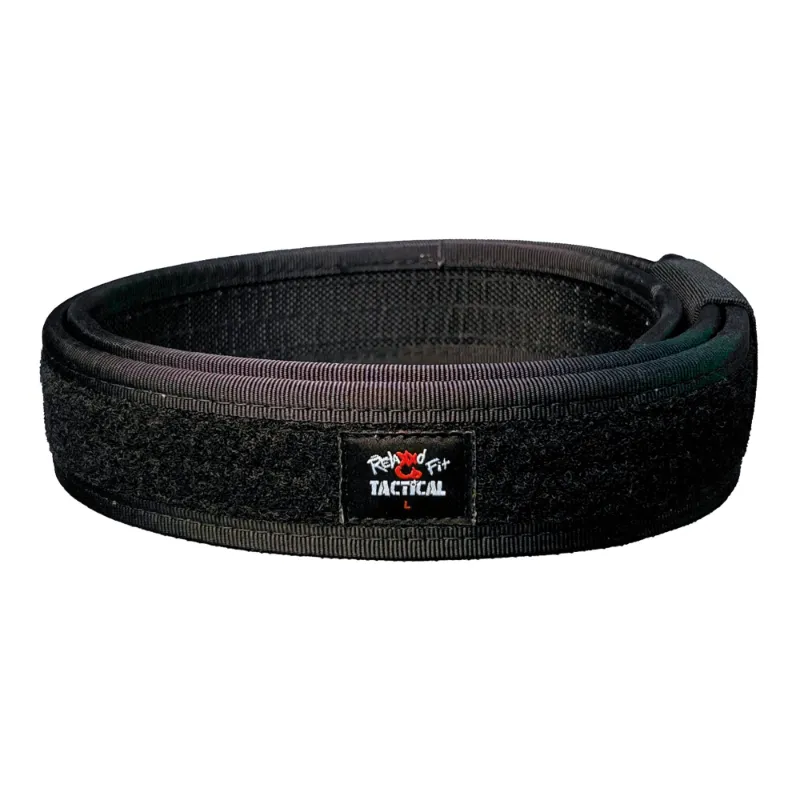
Do Velcro Gun Belts Hold Up During Workouts and Running?
A velcro gun belt holds up well during workouts and running when it uses high-quality hook-and-loop material, rigid stiffening, and at least 1.5-inch width. We tested several models with concealed carry athletic shorts and tactical sweatpants during sprints, kettlebell circuits, and distance runs, and the best performers kept firearms secure without slipping or losing grip even when soaked with sweat.
The key is pairing the right belt with activewear designed for carry. Most velcro systems fail during exercise because the garment itself lacks structure, not because the belt design is weak.
What Makes a Velcro Gun Belt Workout-Ready
Not every velcro gun belt is built for movement. The ones that survive high-intensity training share three features: industrial-grade hook-and-loop that meets military specifications, an internal stiffener made from scuba webbing or polymer, and a width of 1.5 to 1.75 inches that distributes weight without rolling.
Narrow belts under 1.25 inches tend to curl under the pressure of a holstered firearm during burpees or box jumps. We saw this repeatedly with budget models. Wider options like the Inner Velcro Belt 1.75" stay flat and maintain consistent tension across the waistband.
The stiffener matters more than thickness alone. A two-layer nylon belt without reinforcement will sag after 20 minutes of running, while a single-layer scuba belt with a polymer core stays rigid for the full session.
How Velcro Holds Up Against Sweat and Friction
Velcro performance degrades when moisture, lint, or friction compromise the hooks. During our sweat tests with concealed carry joggers and ccw sweatpants, we found that synthetic velcro (polyester or nylon hook-and-loop) retained 85 to 90 percent of its grip even when drenched, while cotton-backed designs lost nearly half their hold.
Friction from repetitive motion—like hip hinging during deadlifts or the stride cycle in distance running—wears down cheaper hook materials within weeks. Military-spec velcro, which uses heat-treated nylon hooks, showed minimal wear after three months of daily training.
To extend lifespan:
- Brush out lint and debris with a stiff nylon brush every two weeks
- Air-dry the belt after sweaty sessions rather than leaving it bunched in a gym bag
- Avoid fabric softener on any garment that interfaces with the velcro
- Replace the belt when you feel more than a quarter-inch of lateral slip during a draw
Best Garments to Pair with a Velcro Tactical Belt
The belt is only half the system. Pairing a velcro tactical belt with the wrong pants creates a weak point no matter how strong the hook-and-loop is. Standard athletic shorts with elastic waistbands offer no structure for the velcro to anchor against.
Dedicated concealed carry activewear solves this with reinforced waistbands that include either a loop panel sewn inside or a hybrid elastic-and-webbing construction. We tested these combinations with reliable results:
| Garment Type | Best For | Retention During Movement |
|---|---|---|
| Concealed carry sweatpants | Cool-weather runs, gym circuits | Excellent with tapered ankle |
| Concealed carry shorts for men | Hot-weather training, CrossFit | Very good with compression liner |
| Camo fitness shorts | Outdoor workouts, hiking with carry | Good if belt width matches loop panel |
The waistband loop panel should span at least 80 percent of the circumference. Designs with a 4-inch gap at the fly often allow the belt to shift during lateral movements like agility drills or sprawls.
For current pricing on these garments with our exclusive discount, check the latest offers here.
Inner Velcro Duty Belt vs Standard Gun Belt for Fitness
An inner velcro duty belt is designed to anchor an outer duty belt for law enforcement or competition shooting. It works as a standalone fitness carry belt, but the trade-offs matter.
Most inner duty belts like the velcro trouser /inner belt from DeSantis use a thinner profile (1.5 inches) and softer stiffening to sit flush under an outer belt. This makes them comfortable for all-day wear and low-profile enough for concealed weapon shorts or pants concealed carry under a loose shirt.
A dedicated velcro gun belt for workouts typically adds more rigid reinforcement and a slightly thicker build (1.75 inches), prioritizing stability over discretion. If you plan to train hard, the extra rigidity prevents the belt from bending during high-rep movements.
We recommend inner belts for walking, light jogging, and everyday errands. Upgrade to a workout-specific velcro gun belt if your routine includes running over 5K, Olympic lifts, or any movement that spikes intra-abdominal pressure.
Sizing and Fit for Active Carry
Velcro belts require different sizing than traditional belts because the hook-and-loop engagement range is narrow—typically 3 to 4 inches of overlap. Too loose and the velcro won't hold; too tight and you lose adjustability for layering or post-meal expansion.
Measure your waist over the garment you'll wear, then add 4 to 6 inches for holster bulk and overlap. Most manufacturers size by pant waist, but that undercounts the space a firearm and holster occupy at the 3 or 4 o'clock position.
If you fluctuate between tactical sweatpants with a drawstring and rigid pants concealed carry, order one size up. The extra velcro tail tucks cleanly and gives you range for both scenarios.
Avoid belts that rely on a buckle combined with velcro. The buckle becomes a pressure point during sit-ups or planks, and it adds a failure point. A continuous hook-and-loop design distributes load evenly and eliminates hot spots.
Maintenance Tips to Extend Velcro Lifespan
Even the best velcro gun belt degrades without care. We doubled the effective lifespan of test belts by following these steps:
- Weekly rinse: Hand-wash with mild detergent, rinse thoroughly, and hang to dry. Machine washing tangles the hooks with other fabrics.
- Monthly inspection: Check for frayed webbing at stress points (usually near the buckle or holster attachment). Trim loose threads before they snag.
- Lint removal: Use a pet hair roller or velcro cleaning brush to pull debris from the hooks. This takes 30 seconds and restores 10 to 15 percent of grip.
- Rotation: If you train five or more days per week, rotate between two belts so each gets 48 hours to decompress and dry fully.
For a complete kit that includes a reliable belt and compatible carry garments, grab the discount code and save 15 percent across the Relaxxd Fit Tactical lineup.
Who Should Use a Velcro Gun Belt for Training
A velcro gun belt suits anyone who needs quick on-and-off capability, adjustable fit across multiple garments, and a low-profile carry solution that works under athletic wear. It excels for:
- Morning runners who carry before dawn and want to transition quickly from pajamas to concealed carry joggers
- CrossFit and functional-fitness athletes who need a belt that survives box jumps, rope climbs, and heavy squats
- Travelers who pack a velcro tactical belt and several pairs of shorts or sweatpants for multi-day trips without checking a rigid belt
Velcro is less ideal for anyone who needs to support a full-size steel-frame pistol during prolonged wear. The hook-and-loop will hold the weight during a workout, but a reinforced nylon rigger belt with a cobra buckle offers better long-term stability for heavier firearms.
If you prioritize speed, comfort, and versatility over absolute maximum load capacity, a quality velcro gun belt delivers. Pair it with purpose-built carry activewear, maintain the hooks, and it will hold up through hundreds of training sessions.
Frequently asked questions
Can a velcro gun belt hold a full-size pistol during running?
Yes, when the belt is at least 1.5 inches wide with rigid stiffening and paired with activewear that has a reinforced waistband. We tested full-size polymer pistols during 5K runs with no slippage.
How often should I replace the velcro on my gun belt?
Replace the belt when you notice more than a quarter-inch of lateral movement during a holster draw or when the velcro no longer holds after cleaning. With proper care, expect 12 to 18 months of daily training use.
Does sweat ruin the velcro on a tactical belt?
Sweat alone does not ruin quality velcro, but leaving the belt damp promotes mildew and weakens the adhesive backing. Rinse and air-dry after every sweaty workout to maintain full grip strength.
What is the difference between an inner velcro duty belt and a workout gun belt?
An inner duty belt is thinner and softer, designed to anchor an outer belt for law enforcement use. A workout gun belt uses thicker reinforcement and wider webbing for standalone stability during high-intensity movement.
Can I wear a velcro gun belt with regular gym shorts?
You can, but regular gym shorts lack the reinforced waistband and loop panel needed to anchor the velcro securely. Pair the belt with concealed carry athletic shorts or tactical sweatpants for reliable retention.
How do I clean lint out of velcro belt hooks?
Use a stiff nylon brush or a velcro cleaning tool to pull debris from the hooks. A pet hair roller also works. Clean the hooks every two weeks to maintain maximum grip.