
How to Take 30 Mg Iron Without Stomach Upset

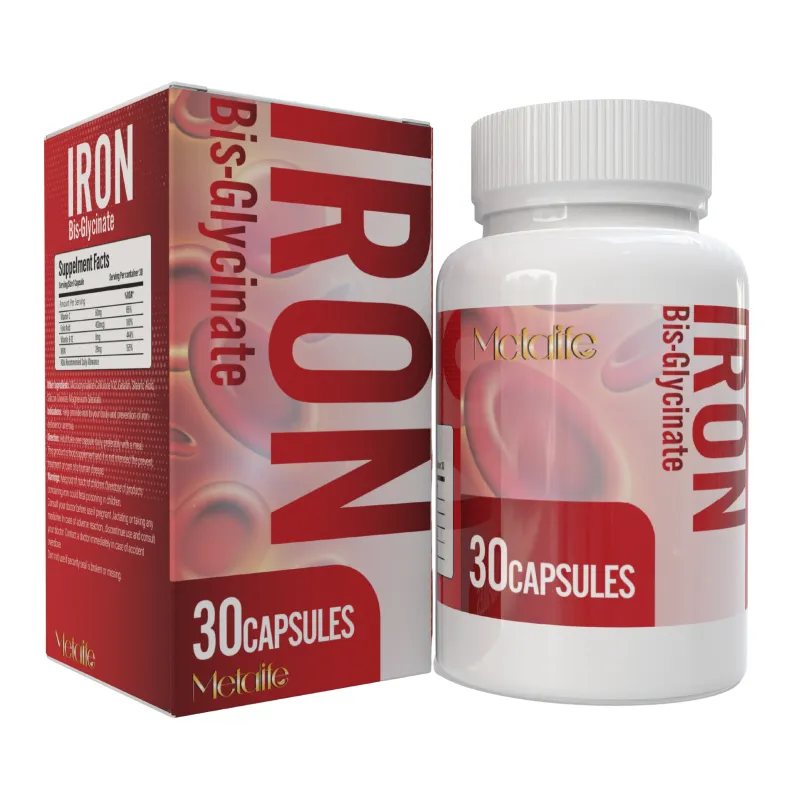
Taking iron 30 mg supplements can reverse anemia and boost energy, but many people experience nausea, cramping, or constipation. We tested dozens of iron formulations and dosing strategies to find the methods that deliver results without the digestive fallout.
The key to tolerating iron lies in three controllable factors: when you take it, what you pair it with, and which form you choose. Below, we break down each strategy with the practical details that make supplementation sustainable.
Timing Your Iron 30 Mg Dose to Minimize Discomfort
Iron absorption peaks on an empty stomach, but that's also when side effects hit hardest. We recommend starting with food, then adjusting once your body adapts.
- Take with a light meal or snack during the first two weeks to cushion the stomach lining and reduce nausea
- Shift to 30 minutes before breakfast after adaptation if your healthcare provider wants maximum absorption
- Split the dose if you're taking 30 mg elemental iron supplement daily—half in the morning, half in the evening reduces the concentration hitting your gut at once
- Avoid bedtime dosing unless paired with a snack, since lying down with iron can trigger reflux
Most people tolerate iron best in the morning with a small portion of oatmeal, toast, or yogurt. The food slows absorption slightly but makes adherence far easier.
Food Pairings That Protect Your Stomach
Certain foods buffer iron's irritating effects without blocking absorption significantly. Others actively enhance uptake.
Protective foods to eat with iron:
- Lean protein (chicken, turkey, eggs) slows gastric emptying and coats the stomach
- Cooked vegetables (spinach, broccoli, sweet potato) add fiber and bulk
- Small amounts of whole grains provide a gentle base
Absorption boosters to include:
- Vitamin C-rich foods like orange slices, strawberries, or bell peppers increase iron uptake by up to 30 percent—look for a chewable iron with vitamin c if your supplement doesn't already include it
- A small glass of orange juice alongside your dose
- Tomato-based dishes when taking iron with lunch
Foods and drinks to avoid within two hours:
- Coffee and tea (tannins bind iron)
- Dairy products (calcium competes for absorption)
- High-fiber cereals or bran (phytates reduce uptake)
- Antacids or calcium supplements
Pairing your iron dose with a vitamin C source is the single most effective dietary strategy we've seen for improving both absorption and tolerance.
Choosing Supplement Forms That Are Easier on Your Gut
Not all iron supplements are created equal. Form, coating, and release mechanism dramatically affect how your stomach responds.
| Supplement Type | Absorption Rate | Stomach Tolerance | Best For |
|---|---|---|---|
| Ferrous sulfate (standard) | High | Low to moderate | Budget-conscious, high absorption needs |
| Chewable iron | Moderate | Moderate to high | People who dislike swallowing pills |
| Delayed-release / enteric-coated | Moderate | High | Sensitive stomachs, history of nausea |
| Ferrous bisglycinate (chelated) | High | Very high | Maximum tolerance, premium budget |
Chewable options spread absorption across a larger surface area and often include flavor masking and vitamin C. A chewable iron supplement for anemia can be gentler than tablets, though they typically require chewing thoroughly and may leave a metallic aftertaste.
Delayed-release formulas dissolve in the small intestine rather than the stomach, which cuts nausea but may reduce total absorption by 10 to 20 percent. For people who can't tolerate standard forms, the tradeoff is worthwhile.
Chelated iron (ferrous bisglycinate) binds the mineral to amino acids, protecting the stomach lining. It's more expensive but produces fewer side effects in clinical comparisons.
We stock the iron 30 mg supplement in a well-tolerated formulation—check the latest price to compare with your current brand.
Hydration and Movement Strategies
Iron commonly causes constipation, even when nausea isn't a problem. Proactive hydration and activity prevent that secondary discomfort.
- Drink at least eight glasses of water daily, starting with a full glass when you take your supplement
- Add a 10- to 15-minute walk after your iron dose to stimulate digestion
- Increase soluble fiber gradually (oats, flax, chia) to keep bowel movements regular without blocking absorption
- Consider a magnesium supplement in the evening if constipation persists (consult your provider on timing to avoid interactions)
Constipation often derails supplementation before anemia improves, so address it early rather than waiting for discomfort.
Adjusting Your Dose and Monitoring Progress
Standard iron supplements often deliver more than 30 mg elemental iron, especially if the label lists ferrous sulfate in milligrams of the full compound. Read the "elemental iron" line to confirm your actual dose.
Signs you may need to adjust:
- Persistent nausea or vomiting after two weeks of food-pairing strategies
- Severe constipation unresponsive to hydration and fiber
- Black stools (normal) combined with stomach pain (not normal)
- No improvement in energy or lab values after eight weeks
Your healthcare provider may suggest switching forms, splitting the dose further, or trying alternate-day dosing. Recent research shows that taking iron every other day can maintain absorption while halving side effects for some people.
When to retest: Most providers check ferritin and hemoglobin at the eight- to twelve-week mark. If your iron 30 in blood test or other markers aren't improving, the issue may be absorption, compliance, or an underlying condition rather than dose.
Grab the code for 15% off your next order if you're ready to switch to a better-tolerated formulation.
Who Benefits Most from 30 Mg Iron Supplementation
A 30 mg daily dose suits mild to moderate iron deficiency, prevention during pregnancy, or maintenance after correcting severe anemia with higher doses.
Ideal candidates:
- Adults with ferritin below 30 ng/mL but above 10 ng/mL
- Pregnant individuals in the second or third trimester (under medical guidance)
- Menstruating people with heavy periods and borderline-low stores
- Vegetarians or vegans at risk of dietary insufficiency
Who may need more or less:
- Severe anemia (ferritin under 10 ng/mL, hemoglobin under 10 g/dL) often requires 60 to 120 mg daily or IV therapy
- Children and teens need weight-based dosing, typically lower than 30 mg
- People with hemochromatosis or high baseline iron should not supplement without medical clearance
Always confirm your baseline levels with lab work before starting supplementation. Iron overload carries its own serious risks, and symptoms of deficiency (fatigue, weakness, pale skin) overlap with many other conditions.
We've seen the best outcomes when people pair a well-chosen supplement with consistent timing, smart food pairings, and patience—most side effects diminish within two to three weeks as the body adapts.
Frequently asked questions
Can I take iron 30 mg on an empty stomach?
You can for maximum absorption, but starting with a light meal during the first two weeks significantly reduces nausea and cramping. Once your body adapts, you can try taking it 30 minutes before breakfast if your provider recommends it.
What foods should I avoid when taking iron supplements?
Avoid coffee, tea, dairy products, high-fiber cereals, and antacids within two hours of your iron dose. These contain compounds like tannins, calcium, and phytates that bind iron and reduce absorption.
Why does iron cause constipation and how do I prevent it?
Iron slows gut motility and hardens stool. Prevent constipation by drinking at least eight glasses of water daily, adding soluble fiber gradually, and taking a 10- to 15-minute walk after your dose to stimulate digestion.
Is a chewable iron supplement better for stomach upset?
Chewable iron supplements spread absorption across a larger surface area and often include vitamin C, which can improve tolerance. They're a good option if you have trouble swallowing pills or experience nausea with standard tablets.
How long does it take for iron supplement side effects to go away?
Most people notice a significant reduction in nausea and discomfort within two to three weeks as the body adapts. If side effects persist beyond that, consider switching to a chelated or delayed-release form.
Should I take vitamin C with my 30 mg iron dose?
Yes, vitamin C increases iron absorption by up to 30 percent and may improve tolerance. Pair your dose with orange juice, strawberries, or bell peppers, or choose a supplement that already includes vitamin C.