
Toyota Integrated Dash Cam vs Fitcamx Toyota Dash Cam: Fit, Features, and Install Questions

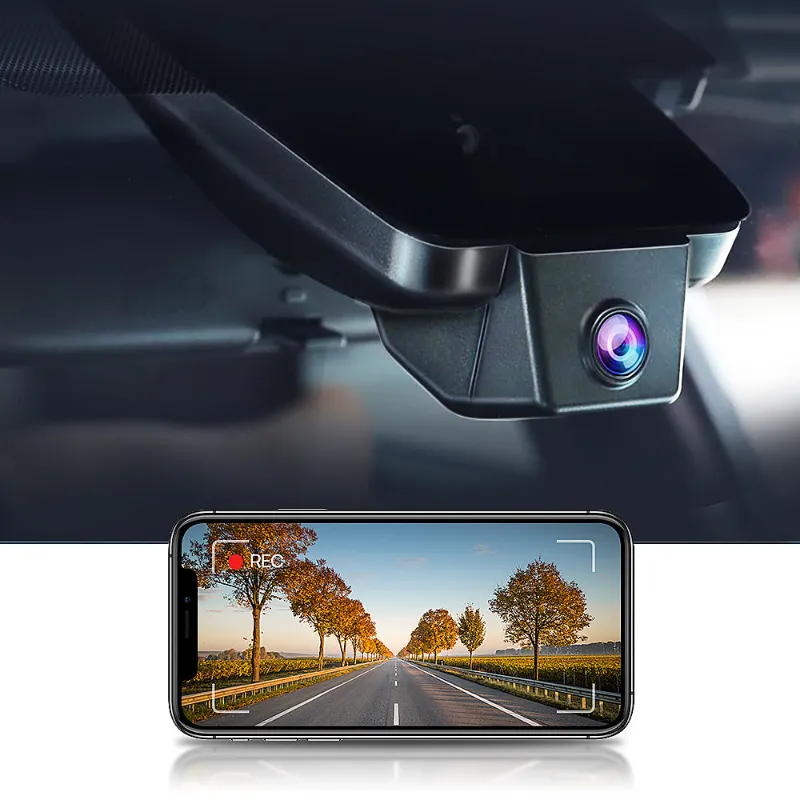
The toyota integrated dash cam is the cleaner factory-style choice if you want Toyota’s official ecosystem, while a Fitcamx Toyota-style setup is often the more flexible pick if you want model-specific trim fit, higher-resolution options, or front-and-rear coverage. We compare the Toyota Integrated Dashcam with the fitcamx dash cam approach so you can decide based on fit, install, app experience, and daily use, not marketing copy.
Toyota Integrated Dash Cam vs Fitcamx: Quick Buyer Take
Both options aim for a low-profile, OEM-looking install, but they serve slightly different buyers. Toyota’s unit is designed around Toyota ownership support and its dedicated app, while Fitcamx focuses on vehicle-specific housings that replace or blend into the factory mirror area.
| Option | Best For | What To Check First |
|---|---|---|
| Toyota official dashcam | Owners who want Toyota’s supported accessory path | Vehicle compatibility, dealer install options, app support |
| Fitcamx Toyota-style camera | Owners who want a hidden factory-look camera | Exact model, trim, mirror housing, power connector |
| Front and rear setup | Drivers who want incident coverage from both ends | Rear cable routing and hatch or trunk layout |
For a factory-backed overview, Toyota’s own Toyota Integrated Dashcam benefits and features page is the best place to confirm what Toyota says the system is built to do. For Fitcamx, start by matching the camera to your specific Toyota model and then check the latest price before buying.
Fit and Compatibility: Toyota Dash Cam vs Fitcamx Housing
Fit is the main reason people compare these two. A universal 4k dash cam can work well, but it usually means a visible suction mount, adhesive pad, dangling cable, or separate power adapter. A fitted Toyota-style housing looks closer to an original part because it sits around the mirror and sensor area.
A toyota dash cam option is worth considering if you care about a tidy cabin and do not want the windshield cluttered. Fitcamx designs are typically chosen by drivers who want the camera body to disappear into the trim rather than look like an add-on gadget.
Before ordering, check:
- Model year: A Toyota integrated dash cam 2025 search may not apply to older trims, and older listings may not match a refreshed mirror cover.
- Trim package: Rain sensors, driver-assistance cameras, and mirror shapes can change the fit.
- Power source: Some kits connect behind the mirror area, while others may require different wiring.
- Camera channels: Decide early whether you want front-only or a front and rear dash cam.
- Return rules: Fit mistakes happen when shoppers match by vehicle name but ignore trim photos.
The same logic applies across other Fitcamx listings, including vehicle-specific products like fitcamx Dash Cam Civic. That Civic product is not the Toyota pick, but it shows the brand’s broader model-specific approach: the housing matters as much as the camera sensor.
Video Quality, Coverage, and Night Driving
If you are comparing specs, do not stop at resolution. A fitcamx 4k dash cam or another 4k dash cam can capture more detail than a basic 1080p dashboard camera, but final clarity depends on lens angle, compression, glass glare, lighting, and how clean the windshield is.
A higher-resolution camera is most useful for:
- Reading plates when the vehicle is close enough and lighting cooperates
- Capturing road signs, lane position, and traffic-signal context
- Preserving more detail when cropping footage
- Reviewing scenic or trip footage, not just incidents
A 1080p dashboard camera can still be enough for basic evidence, especially in daylight. But if you drive at night, commute in heavy traffic, or park in busy areas, a fitcamx 4k dash cam may be the more future-proof choice if it fits your Toyota.
For broader coverage, a front and rear dash cam setup gives more context after a rear-end hit, parking-lot tap, or tailgating incident. The tradeoff is installation time, because the rear camera cable usually needs careful routing through trim, headliner edges, and hatch or trunk areas.
App, Manual, and File Access Questions
The toyota integrated dash cam app is part of the appeal for Toyota’s official system because it gives owners a brand-specific way to review and manage footage. If you are checking iPhone compatibility, Toyota’s app listing is available on the Toyota Integrated Dashcam App Store page.
For any camera, we recommend downloading the manual before purchase if it is available. Search terms like toyota dash cam user manual pdf, toyota integrated dash cam manual, and toyota integrated dash cam apk usually come from owners trying to answer practical setup questions after the box arrives.
Look for these details in the manual or listing:
- How footage is saved, locked, overwritten, and exported
- Whether Wi-Fi is used only for file transfer or also for setup
- Which memory card type and format the camera requires
- How audio recording is enabled or disabled
- How parking recording works, if supported by the kit and install method
- How firmware updates are handled
Do not assume every app experience is equal. Some dash cams are excellent once installed but have basic apps. Others have polished app workflows but fewer hardware choices. If the app matters to you, read recent user feedback before ordering and grab the code only after you know the product matches your phone and vehicle.
Toyota Integrated Dash Cam Installation: What To Expect
Toyota integrated dash cam installation is usually about two things: clean power and clean trim work. The camera has to sit in the right place, avoid blocking safety sensors, and power on reliably without loose wires. That sounds simple, but modern mirror housings can be tight, and plastic clips can be easy to damage if rushed.
A Fitcamx-style install is often attractive because the camera is designed to replace or integrate with the factory mirror cover area. Still, you should confirm whether your exact Toyota has the same housing shown in the product photos.
Basic install checklist:
- Compare your mirror housing to the listing photos before opening trim.
- Test the camera before fully clipping panels back together.
- Route wires away from airbags and moving trim pieces.
- Format the memory card as instructed by the manual.
- Check the live view before driving so the hood and horizon are framed correctly.
- Save a short test clip and confirm you can view it on your phone or computer.
If you are uncomfortable removing mirror trim, pay for professional installation or ask a dealer or trusted car-audio shop. The most expensive dash cam is the one that breaks clips, interferes with sensors, or gets installed in the wrong location.
Glare, Filters, and Everyday Footage Quality
Glare is one of the most overlooked dash cam problems. Bright dashboards, steep windshields, and low sun can create reflections that make otherwise sharp video harder to use. That is where a cpl lens filter or cpl camera filter can help.
A cpl lens filter is designed to reduce certain reflections from glass and shiny surfaces. It will not turn bad footage into perfect footage, and it can slightly change exposure, but it can make daytime clips more readable in the right conditions.
For best results:
- Keep the windshield clean inside and out.
- Avoid glossy dashboard cleaners that increase reflections.
- Aim the camera so it captures the road, not too much sky.
- Rotate the CPL, if adjustable, until reflections are reduced.
- Review footage in morning, midday, and night conditions.
This is also where a toyota integrated dash cam review can be useful, but prioritize reviews with sample footage from a similar vehicle. A camera that looks excellent in one windshield angle may behave differently in another.
Which One Should You Buy?
Choose Toyota’s official route if you want the most brand-aligned accessory experience, you value Toyota documentation, and you prefer support through Toyota channels. It is also the natural starting point if your dealer can confirm compatibility and installation for your exact vehicle.
Choose Fitcamx if you want an integrated look with more product-path flexibility. The brand is especially appealing if you are comparing a fitcamx 4k, front-only camera, front and rear dash cam, or a model-specific housing that better matches your mirror cover.
Our practical recommendation:
- Pick Toyota official if support path and brand consistency matter most.
- Pick Fitcamx if hidden fit, 4K options, or front-and-rear coverage matter more.
- Pick 1080p only if budget and basic evidence matter more than fine detail.
- Add a CPL filter if daytime windshield reflections are a recurring issue.
- Always confirm fit by photos, trim, and model year before buying.
If you are ready to compare current Fitcamx options, use our coupon page to check the current offer. We do not quote live pricing here because discounts and availability can change, and the store page is the right place to verify the active deal before checkout.
Frequently asked questions
Is the toyota integrated dash cam worth choosing over Fitcamx?
It can be worth it if you want Toyota’s supported accessory ecosystem, a factory-aligned app path, and a clean ownership experience. If you want more flexibility in resolution, housing style, or front-and-rear coverage, compare Fitcamx options before deciding.
Does a Fitcamx Toyota dash cam look factory installed?
Often, yes, but fit depends on the exact Toyota model, year, trim, and mirror housing. Always compare your vehicle’s mirror area with the product photos before ordering.
Do I need a fitcamx 4k dash cam, or is 1080p enough?
A 4K camera can preserve more detail than 1080p, especially when reviewing close vehicles, road signs, or cropped footage. Real-world clarity still depends on lighting, windshield glare, lens quality, and camera placement.
Should I add a cpl lens filter to my dash cam?
A CPL filter can reduce some windshield and dashboard reflections, which may improve daytime footage. It is most useful when glare is a recurring issue in your specific vehicle and driving conditions.
Can I install a Toyota-style dash cam myself?
A careful DIY install may be possible for some owners, but mirror trim, airbags, wiring, and safety sensors make caution important. If you are not comfortable removing trim, use a professional installer or dealer.
Can I use a front and rear dash cam in a Toyota?
Usually, yes, if the product supports a rear camera and your vehicle can be routed cleanly. The rear cable path is the main added work, especially on hatchbacks and SUVs.